After the earthquakes that shook Venezuela on Wednesday, June 24, 2026, a scene was repeated on networks: Android phones ringing seconds before many people felt the strongest blow. The warning came from the Android Earthquake Alerts System, Google's seismic alert network that turns millions of smartphones into mini-seismographs. It does not predict the future: it detects the start of the earthquake and gains a few vital moments before the intense shock arrives.
What happened in Venezuela
According to the USGS, two earthquakes of magnitude 7.2 and 7.5 hit the northern coast of Venezuela just 39 seconds apart; The epicenter was near Morón (Carabobo). At 18:04 local time, numerous users received the notification on their mobile phones — as reported by DatoWorld en X— before feeling the most abrupt movement. Testimonies collected by Cocuyo Effect and EL MUNDO agree: «first the alert came and then everything started to move».
For those who were on stairs, next to windows or in tall buildings, those 3 to 10 seconds were enough to crouch down, get onto the landing or move away from falling objects. In a country without a public seismic network as dense as Japan or Mexico, the Google alert was for many the only prior warning, according to media such as Banking and Business.
The coverage of the material damage —more than 160 deaths, La Guaira in a disaster zone, Maiquetía airport closed— is in our notes of last hour of the earthquake and aerial video of La Guaira. Here we focus on how the technology works that he warned from his pocket.
How it works: from accelerometer to global alert
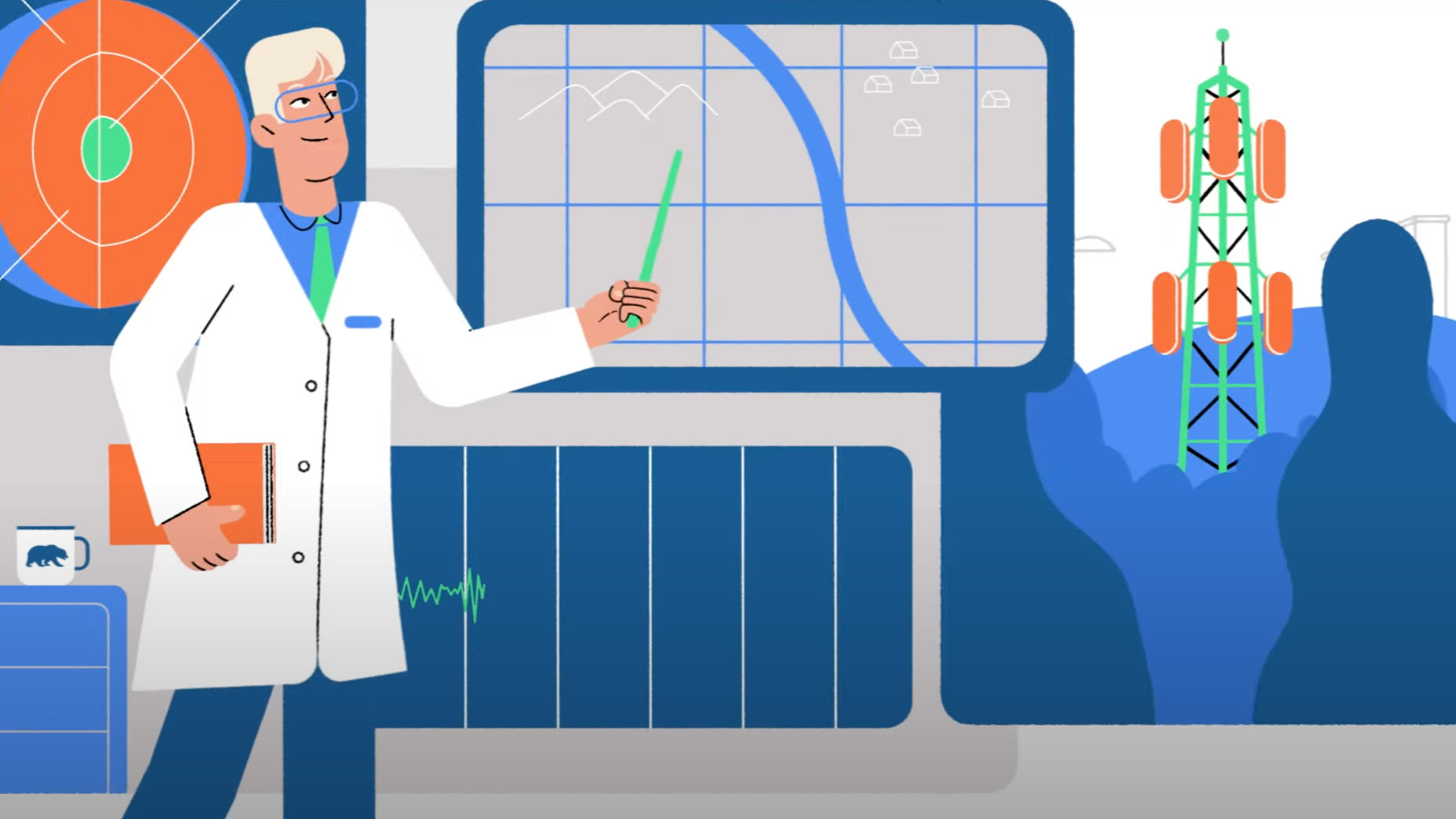
Google's official explanation —in Crisis Response and in the Google Research published in Science— part of a sensor that your phone already has: the accelerometer, the same one that rotates the screen or counts steps. If the phone is still and detects vibrations consistent with an earthquake (the first P waves), it sends an anonymous signal to the Google server with an approximate location.
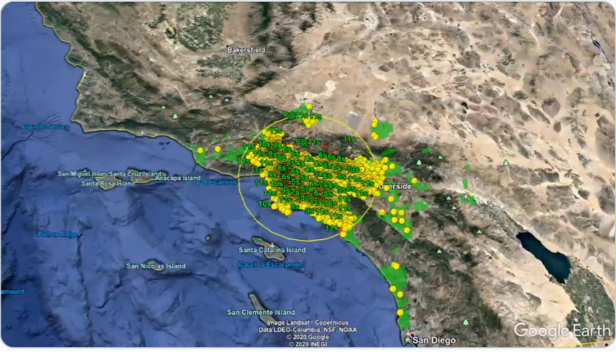
When many devices in an area report the same pattern almost at the same time, the server estimates the epicenter and magnitude and triggers alerts to users who could feel the tremor. The physical key: P waves travel faster than S waves, responsible for intense shaking. The digital signal over the Internet is even faster, so those who are far from the epicenter can receive warning before the destructive waves arrive.
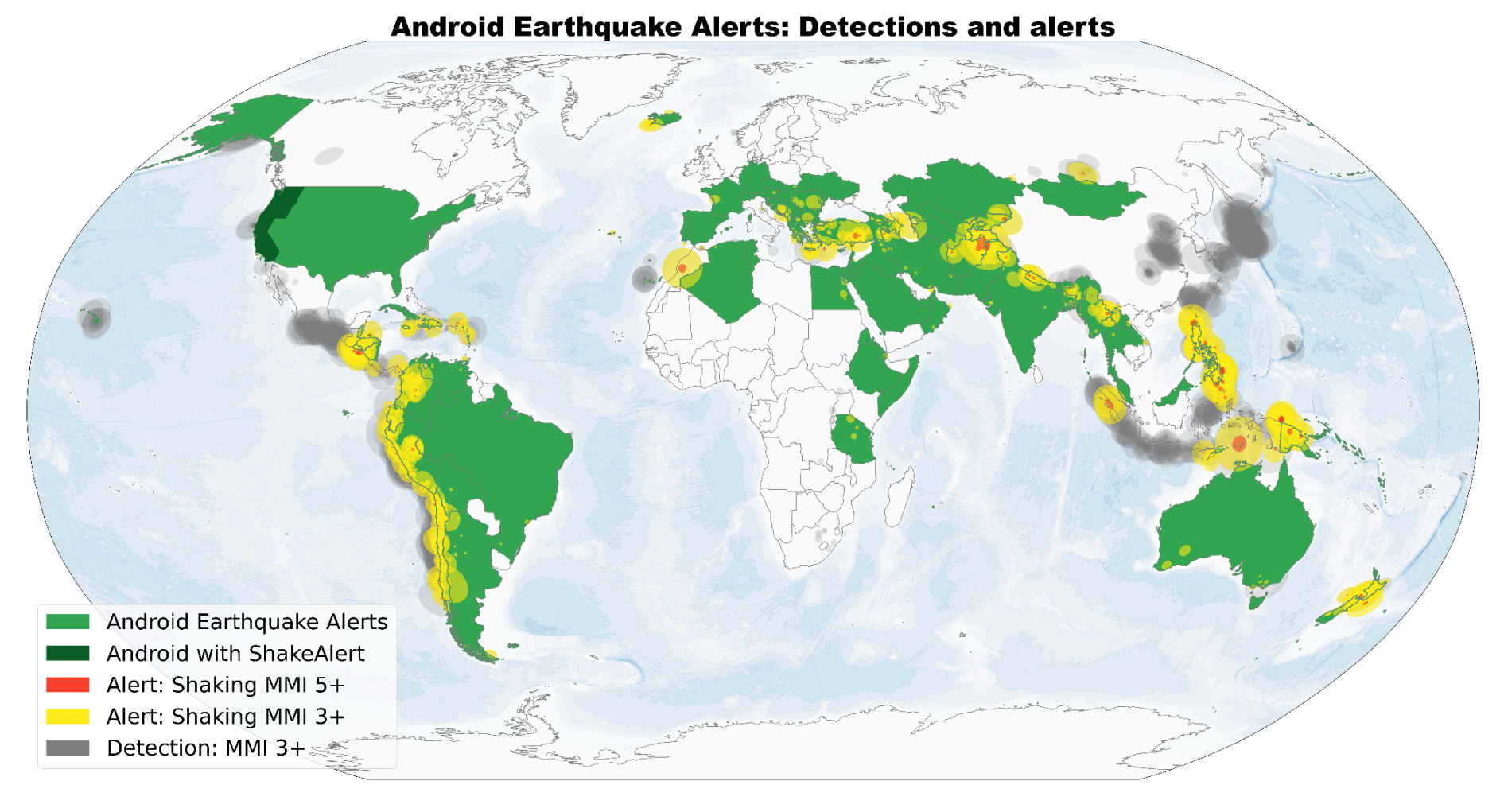
In California, Washington and Oregon, Google relies on the official ShakeAlert® network (1,675 sensors). In the rest of the world—including Venezuela—the crowdsourcing strategy operates with more than 2 billion active Androids. Since 2021, the deployment has reached 98 countries; The system has detected more than 18,000 earthquakes and sent some 790 million alerts, expanding global access to early warnings from ~250 million to 2.5 billion people, according to Google Research.
The two types of alerts on the screen
Google only sends notifications in earthquakes of magnitude 4.5 or greater. There are two levels, with different behaviors — the same interfaces that EL MUNDO en X includes when explaining the Venezuelan case:
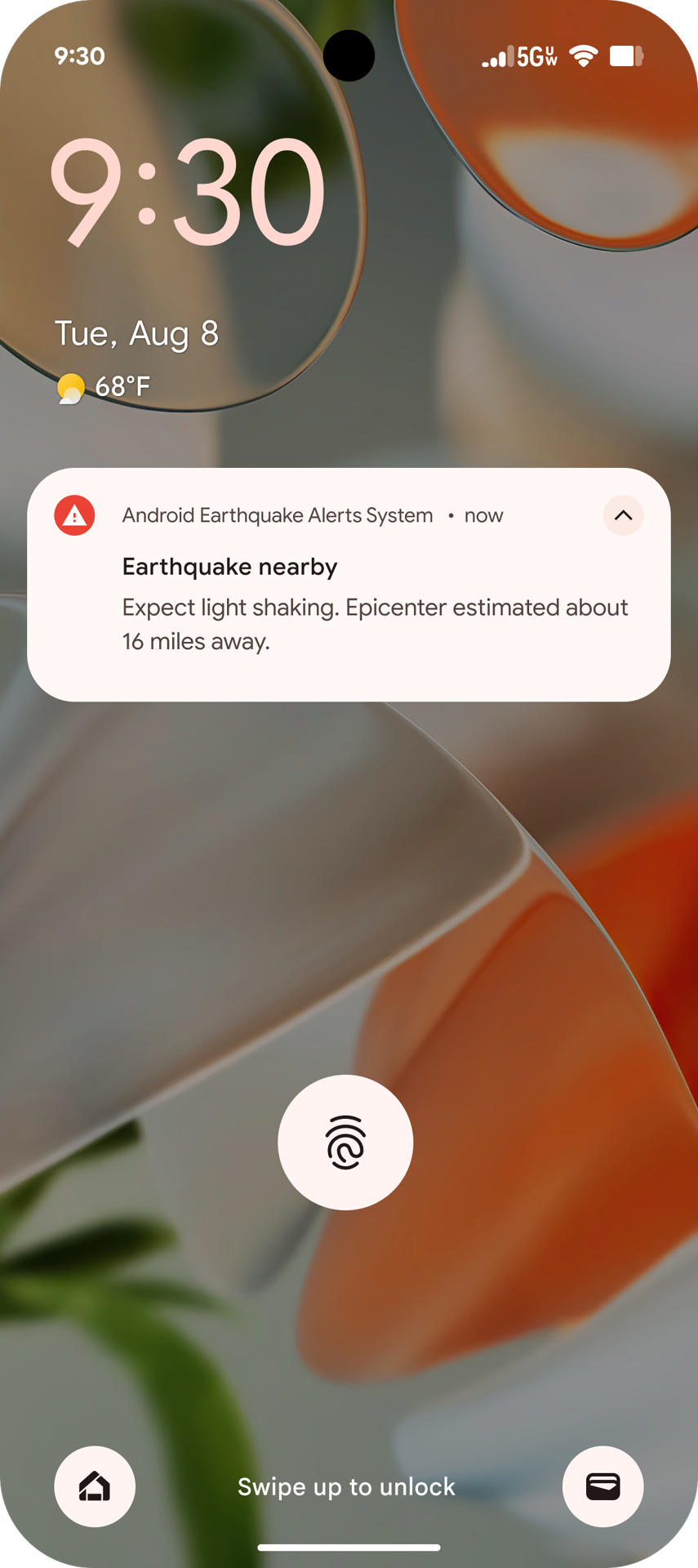
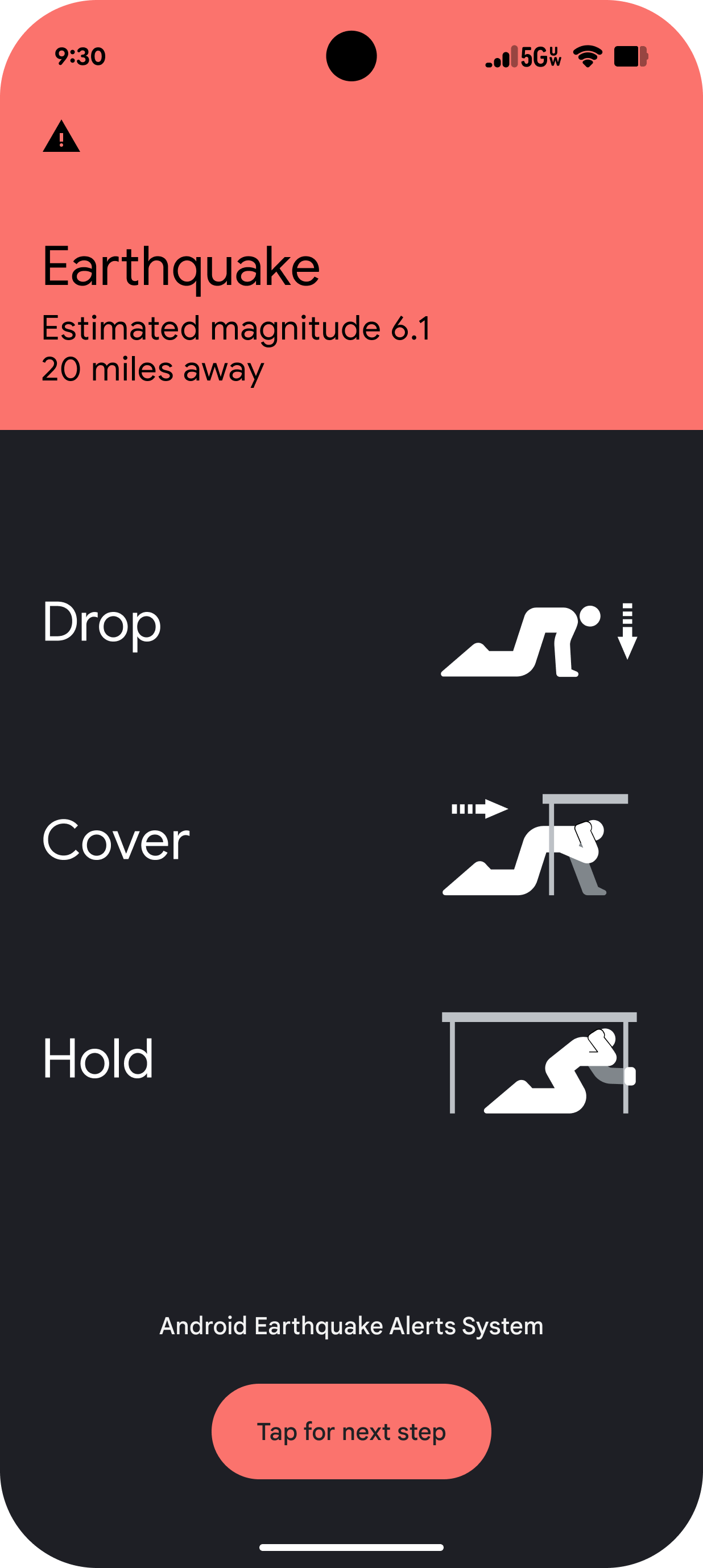
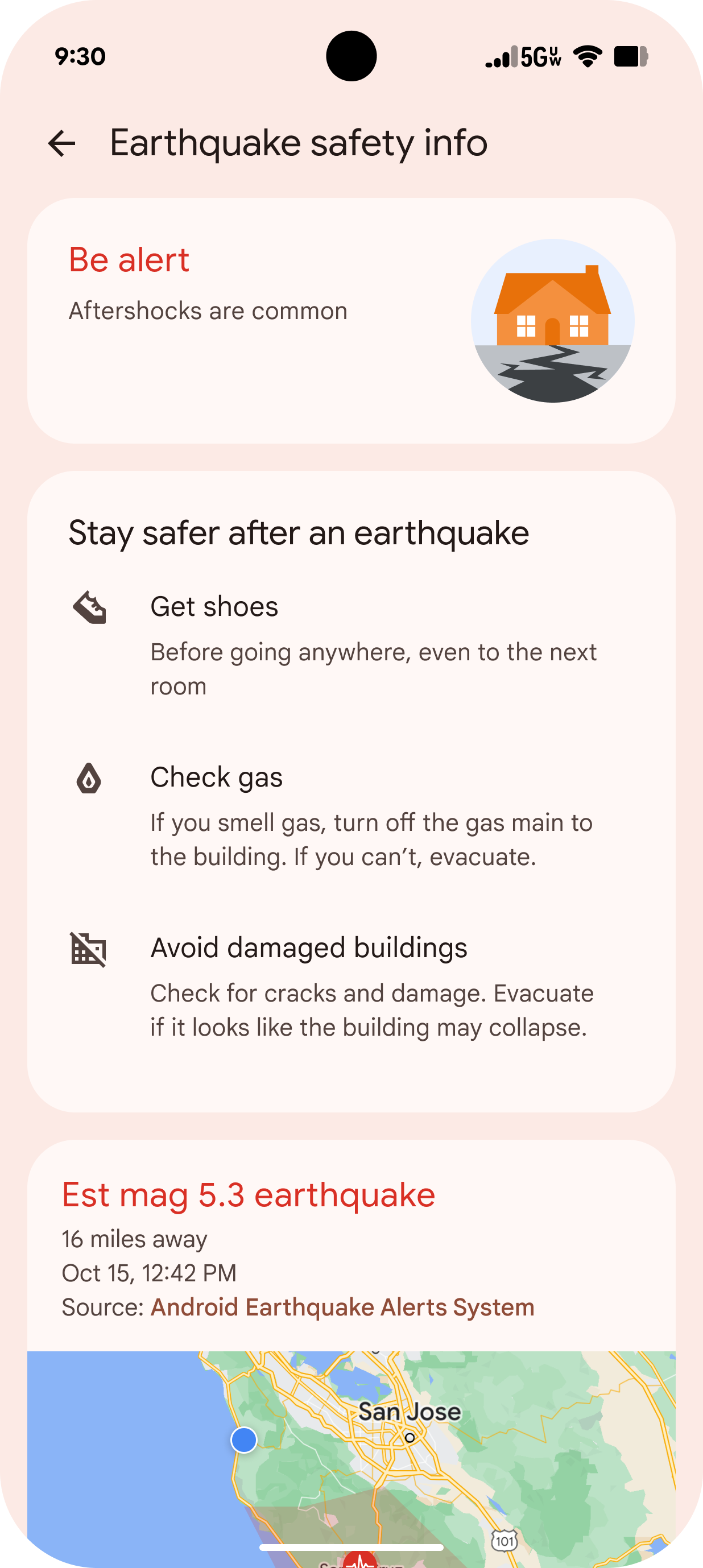
When you tap either, Android displays safety tips (duck, cover, hold on) and a map with the first estimate of location and magnitude. In internal surveys cited by Google Research, 85% of respondents rated the alerts as “very useful”; Among those who received Take Action, the most common response was to follow the Drop, Cover and Hold On protocol.
How to activate it on your Android
According to El Diario, after the earthquake many Venezuelans discovered the function for the first time. To check it:
- Open Settings on your Android with Google services.
- Search for «Earthquake alerts» (or Earthquake alerts).
- Activate the option and confirm that location and mobile data or Wi-Fi are turned on.
You can turn off alerts whenever you want. On iPhone there is no native equivalent with distributed detection by phone sensors; Apple depends on government alerts or third-party apps, with variable coverage by country.
Limits and context
Experts insist: this does not replace official seismic networks or civil protection protocols. Whoever is too close to the epicenter may receive little or no advantage. But in regions with limited infrastructure — as was evident in Venezuela — it expands massive coverage without installing expensive stations underground.
Google continues to refine the magnitude estimate: the average error of the first detection fell from 0.50 to 0.25 in three years, according to its paper. Every real event—Philippines 2023, Nepal 2023, Türkiye 2025, now Venezuela 2026—feeds a system that learns with every jolt.
In summary
The Android earthquake alert system transforms accelerometers into a global network that detects P waves and warns over the Internet before S waves. In Venezuela, thousands of people received the message around 6:04 pm on June 24, seconds before the pair of earthquakes of magnitude 7.2 and 7.5. It is not magic or prediction: it is physics, the scale of billions of devices and a few seconds that, in an earthquake, can make the difference.
Most read
What readers are engaging with right now.
- Culture
Goose, the gay app that competes with Grindr, reaches the top 4 of Lifestyle in the App Store
- World
Cubans protest in Miami against Airlines Connections for alleged scam: they demand up to $20,000 in packages to Punta Cana

- World
Trump declares the ceasefire with Iran over, orders new attacks in Hormuz and demands cutting trade with Spain in NATO
- Culture
Harry Potter on HBO: complete guide to the series (not yet released and already renewed for T2), dates, cast and controversies

- Culture
DUK App: Aly Sánchez launches her habits app "one day at a time" with a 63-day program
- Culture
I'm Edgy and Edgy Labs: From Nebraska's Walmart to a beef tallow cream brand that sells across the US.

- Culture
The Evening of the Year VI: all the winners, fights and performances of the Ibai night in Seville

- World
The FBI is investigating the AFA for alleged fraud and money laundering: about $300 million in sponsorships and operations in the US.
- World
El Cangrejo: profile of Raúl Guillermo Rodríguez Castro, Raúl Castro's grandson between GAESA, leaked luxuries and the first interview of 2026