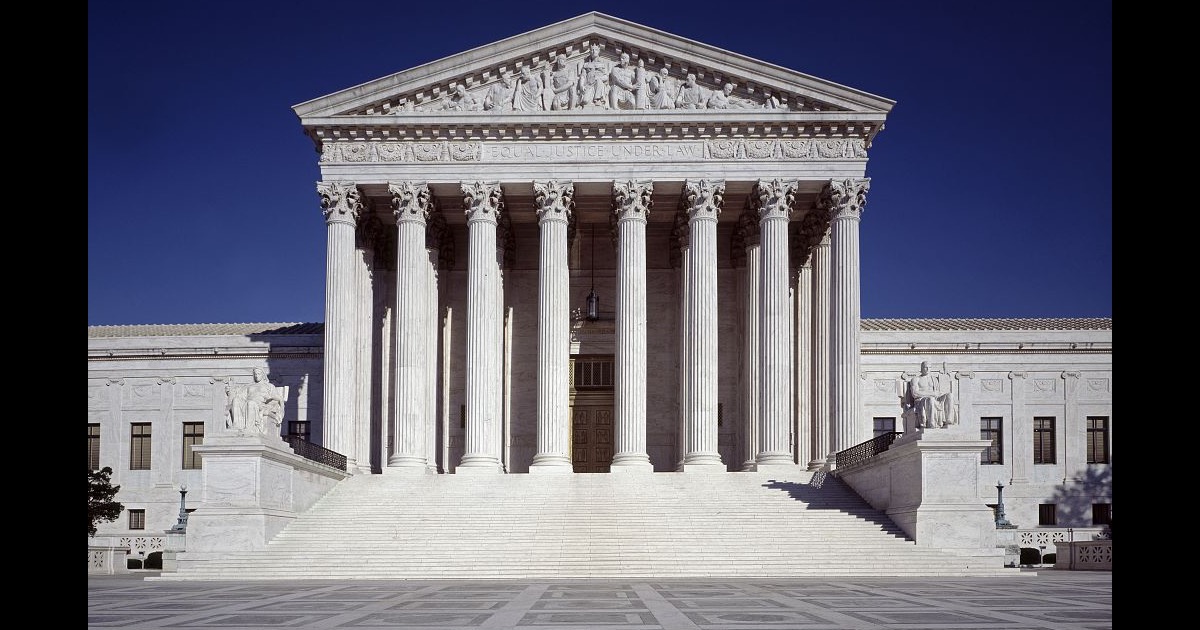
Tuesday June 23, 2026 was one of the busiest judicial days of the year in Washington. The Supreme Court published five opinions that broadly reinforce the power of the federal government and the states in immigration, tax property, international litigation and prisons. The same day, the D.C. Circuit reactivated Trump's national expansion of expedited deportations and the Department of Justice asked the Fourth Circuit to overturn the eight-year sentence against the man who tried to assassinate Judge Brett Kavanaugh. This guide breaks down each decision, your vote, what changes in practice, and who it affects.
The alerts from SCOTUS Wire marked the sequence: first religious freedom in Louisiana, then taxes in Michigan, immigration at the border, Cuba and Exxon, human rights and Cisco, and in the afternoon the appeals ruling on deportations. In the morning, the DOJ had submitted its brief against Sophie Roske's sentence (tweet).
| Case / court | Vote | Author | In a sentence |
|---|---|---|---|
| Landor v. Louisiana DOC(SCOTUS) | 6-3 | Gorsuch | Jail officers cannot be sued personally under RLUIPA |
| Pung v. Isabella County(SCOTUS) | Unanimous* | Alito | In tax sales it is enough to return the remainder of the auction, not the market value |
| Blanche v. Lau(SCOTUS) | 6-3 | Thomas | At the border, “clear and convincing” evidence is not necessary to treat a permanent resident as an applicant for admission |
| Exxon v. CIMEX(SCOTUS) | 6-3 | Kavanaugh | Helms-Burton eliminates sovereign immunity of Cuban state companies |
| Cisco v. Doe I(SCOTUS) | 6-3 | Barrett | No cause of action for complicity under ATS or TVPA |
| ROOTS v. Noem(D.C. Circuit) | 2-1 | Walker | Reactivates expedited removal at the national level according to the mandate of Congress |
| United States v. Roske(DOJ → 4th Circuit) | — | DOJ | Asks to annul 8 years of prison and reassign judge for new sentence |
* Thomas dissented in part; Sotomayor, Gorsuch and Jackson wrote concurrences.
1. Landor v. Louisiana(6-3): Prison officers immune to damages for cutting dreadlocks
In the first announced ruling, the Court rejected that Damon Landor, a former Rastafarian inmate, could sue personally guards and the warden who shaved his head in 2020 despite the fact that it had a ruling from the 5th Circuit that prohibited this cut in Rastafarian prisoners. SCOTUSblog and NBC News document the facts: Landor showed the binding sentence; a guard threw it in the trash; Two officers held him down while a third shaved his scalp three weeks before serving a five-month sentence.
Justice Neil Gorsuch wrote for the conservative majority (Roberts, Thomas, Alito, Kavanaugh, Barrett). The RLUIPA (Religious Land Use and Institutionalized Persons Act) is Spending Clause legislation: it only binds those who accept federal funds. Louisiana's prison system agreed to be sued; The individual officers did not personally consent, so they are not liable in their personal capacity for monetary damages.
What it entails: Inmates can continue to challenge policies against the corrections department, but those who violate their religious beliefs are effectively left without individual financial responsibility. Kagan, Sotomayor and Jackson dissented. Louisiana admitted the treatment was unacceptable and said it has changed its hair salon policy.
2. Pung v. Isabella County(unanimous): in tax foreclosures, the auction price is enough
SCOTUS Wire summarized the second ruling: Michigan should not have paid market value to the Pung family after selling their home for back taxes. The farm owed $2,242; Isabella County auctioned it for $76,008 and returned some $73,766 of the remainder. The buyer then resold the home for about $195,000. The family claimed the difference under the Fifth Amendment (Takings Clause) and the Eighth Amendment (Excessive Fines).
Samuel Alito wrote for the nearly unanimous court (Just The News): the historical "fair compensation" in tax sales is the surplus of a regular auctionnot the hypothetical market value. Mandating the market value would make the tax collection mechanism unviable. The Eighth Amendment doesn't apply here either.
What it entails: Strengthens municipalities and counties in tax foreclosures nationwide. The court voided and remanded on a narrow point: whether Isabella's auction process was fair. That leaves the door open to challenge abusive procedures, not the amount itself. CBS Detroit frames it as a continuation of a 2023 ruling that prohibited keeping the surplus without returning it to the owner: now it is set how much it is enough to return.
3. Blanche v. Lau(6-3): more power to CBP over permanent residents at the border
The fifth and final opinion of the morning block—2:26 PM ET alert—favors the government in Blanche v. Lau(25-429), litigation formerly known as Bondi v. Lau. Just The News explains the case: Chung Ming Lau, a permanent resident, was charged with forgery in New Jersey (a crime of “moral turpitude” under the INA). He returned from China in 2012; At the airport the agents treated him as an admission applicant instead of an already admitted resident, they subjected him to parole and opened an inadmissibility procedure.
Clarence Thomas argued that the INA does not require “clear and convincing” proof at the time of reentry. It is enough for the government to show that the resident had already committed a crime listed in section 1182(a)(2)—even if he or she was not convicted—to consider him or her an “applicant for admission.” That reverses the burden of proof: the resident must demonstrate admissibility, not the other way around.
What it means: It affects millions of green card holders who travel abroad with pending charges or records. Immigration attorneys warned that CBP could detain permanent residents on parole with wide discretion. Jackson dissented (Kagan, Sotomayor). The case returns to lower courts to decide whether Lau's forgery qualifies as moral turpitude.
4. Exxon v. CIMEX (6-3): Helms-Burton opens lawsuits against Cuba
At 2:30 p.m. ET, the court confirmed that the Helms-Burton Act (Title III) by itself abrogates the sovereign immunity of Cuban instrumentalities such as CIMEX and CUPET, without also demanding an exception from the FSIA. Brett Kavanaugh wrote the 6-3 majority; Elena Kagan dissented.
Exxon, successor to Standard Oil, sued in 2019 for the Ñico López refinery (formerly Belot), terminals and 117 gas stations nationalized in 1960. It is asking for about $280 million. The ruling does not order payment: it only removes the immunity barrier and returns the litigation to the D.C. Circuit.
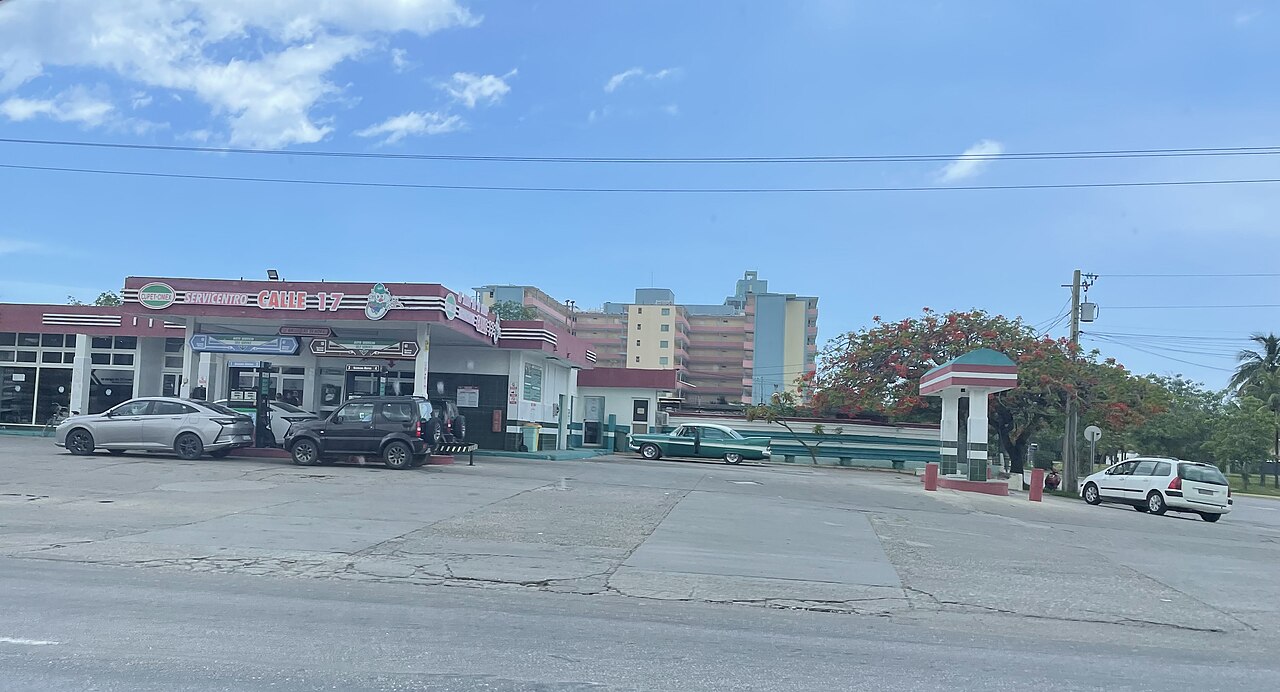
What it entails: Strengthens about 40 lawsuits filed in 2019-2020 when Trump reactivated Title III; puts pressure on Havana and European investors. Extended analysis in our dedicated note: Exxon, Helms-Burton and Cuba: 6-3 ruling explained.
5. Cisco v. Doe I(6-3): end of lawsuits for complicity in abuses abroad
Four minutes later, the court closed a legal avenue that victims of serious human rights violations used for decades. InCisco Systems, Inc. v. Doe I (24-856), Amy Coney Barrett wrote that courts cannot invent new causes of action under the Alien Tort Statute (ATS, 1789) and that the Torture Victim Protection Act (TVPA, 1991) does not include aiding and abetting liability (SCOTUSblog, The Hill).
Falun Gong practitioners have accused Cisco since 2011 of having designed surveillance technology that Beijing used to identify, detain and torture believers. The 9th Circuit had allowed the case; the Supreme Court overturned it. Barrett citedSosa v. Álvarez- Machain(2004): the ATS is almost purely jurisdictional; Creating substantive rights invades the field of Congress and foreign policy.
Regarding the two Cisco executives under TVPA, the distribution was 7-2: even Jackson agreed that "subjecting" to torture in the text only reaches direct perpetrators, not those who help. Sotomayor dissented from much of the ATS.
What it means: American multinationals gain a shield against lawsuits for complicity in abuses in China, Myanmar or other countries. Only the three historical categories of Sosa survive (violation of treaties, immunity of ambassadors, piracy). Human rights lawyers describe it as the definitive closing of the door that Sosa left ajar.
6. D.C. Circuit (2-1): accelerated deportations throughout the country
It's not a Supreme Court ruling, but it rounded out the day: at 15:42 ET, SCOTUS Wire reported that the D.C. Circuit, in 2-1, reinstated the 2025 expansion of expedited removal (Washington Examiner, DNYUZ).
Since January 20, 2025, Trump authorized ICE and CBP to use the express procedure – previously limited near the border – against people without entry inspection at any point in the territory, if they do not demonstrate two continuous years of presence. A district judge had blocked it in August 2025.
Justin Walker and Neomi Rao (appointed by Trump) formed the majority; Robert Wilkins (Obama) dissented, saying that the opportunity to document inside is "grossly inadequate." Most require only a “brief but reasonable opportunity” to prove seniority.
What it means: ICE can expel in days, without an immigration judge, those who do not prove two years of stay. Exempt: those who pass the credible fear interview for asylum. It is the operational complement of the Lau ruling: a Tuesday that hardens the entire migratory axis.
7. DOJ vs. Roske sentence: appeal for “excessively light” sentence
In the morning (10:33 ET), the DOJ asked the Fourth Circuit to vacate the eight years prison sentence imposed in October 2025 on Sophie Roske (formerly Nicholas Roske) for the attempted assassination of Kavanaugh on June 8, 2022 (RedState, Wikipedia).
Roske arrived armed at the judge's home in Chevy Chase, Maryland; When he saw marshals, he abandoned the plan and called 911. He pleaded guilty in April 2025. The prosecution requested up to 30 years with an aggravating circumstance of domestic terrorism. Judge Deborah Boardman imposed 97 months, citing mental health, repentance and the 911 call as a "spontaneous confession."
The DOJ's June 22 brief argues that Boardman gave undue weight to mental health, prison conditions as a trans person, and repentance. He asks for a new sentence and reassignment to another judge. He cites that "an eight-year sentence for an ideological assassination attempt against a Supreme Court judge does not deserve leniency."
What it implies: It does not change substantive law; It is a battle over penal proportionality and a deterrent message. If the Fourth Circuit agrees, Roske could serve a much longer sentence. It politicizes the end of Boardman's judicial term, appointed by Biden.
Pattern of the day and what comes next
Four of five Supreme Court rulings were 6-3 with the usual conservative alignment (Roberts, Thomas, Alito, Gorsuch, Kavanaugh, Barrett) versus the liberal one (Sotomayor, Kagan, Jackson). Only Pung united almost the entire court in a landmark fiscal rule. Altogether, on Tuesday state and federal power expanded: more immigration control, fewer transnational lawsuits, less compensation for tax debtors, less individual responsibility of jailers and open legal avenue against Cuban assets.
SCOTUSblog anticipates more opinions on Thursday, June 26, when the court will also hold its last regular conference before the summer recess. High-profile cases remain pending from the 2025-2026 term that could move elections, social networks or federal rights.
"A Tuesday when the Court reinforced the executive on the border, closed human rights lawsuits against corporations, set draconian tax rules for defaulters and opened the door to lawsuits against Cuba — all before an appeals court reactivated express deportations throughout the country."
Sources
- SCOTUS Wire — Landor / RLUIPA (Jun 23, 2026)
- SCOTUS Wire — Pung / Michigan tax sale (Jun 23, 2026)
- SCOTUS Wire — Blanche v. Lau / INA (Jun 23, 2026)
- SCOTUS Wire — Exxon / Helms-Burton (Jun 23, 2026)
- SCOTUS Wire — Cisco / ATS and TVPA (Jun 23, 2026)
- SCOTUS Wire—D.C. Circuit expedited removal (Jun 23, 2026)
- SCOTUS Wire — DOJ Appeals Roske Sentence (Jun 23, 2026)
- SCOTUSblog — Announcement of opinions for Tuesday, June 23
- SCOTUSblog — Landor v. Louisiana
- SCOTUSblog — Cisco v. Doe I
- Just The News — Blanche v. Lau
- Just The News — Pung v. Isabella County
- The Hill — Cisco / Falun Gong
- Washington Examiner — Expedited removal D.C. circuit
- MARGENEZ — Extended note Exxon / Helms-Burton / Cuba
- Library of Congress—U.S. Supreme Court building
Most read
What readers are engaging with right now.
- Culture
Goose, the gay app that competes with Grindr, reaches the top 4 of Lifestyle in the App Store

- World
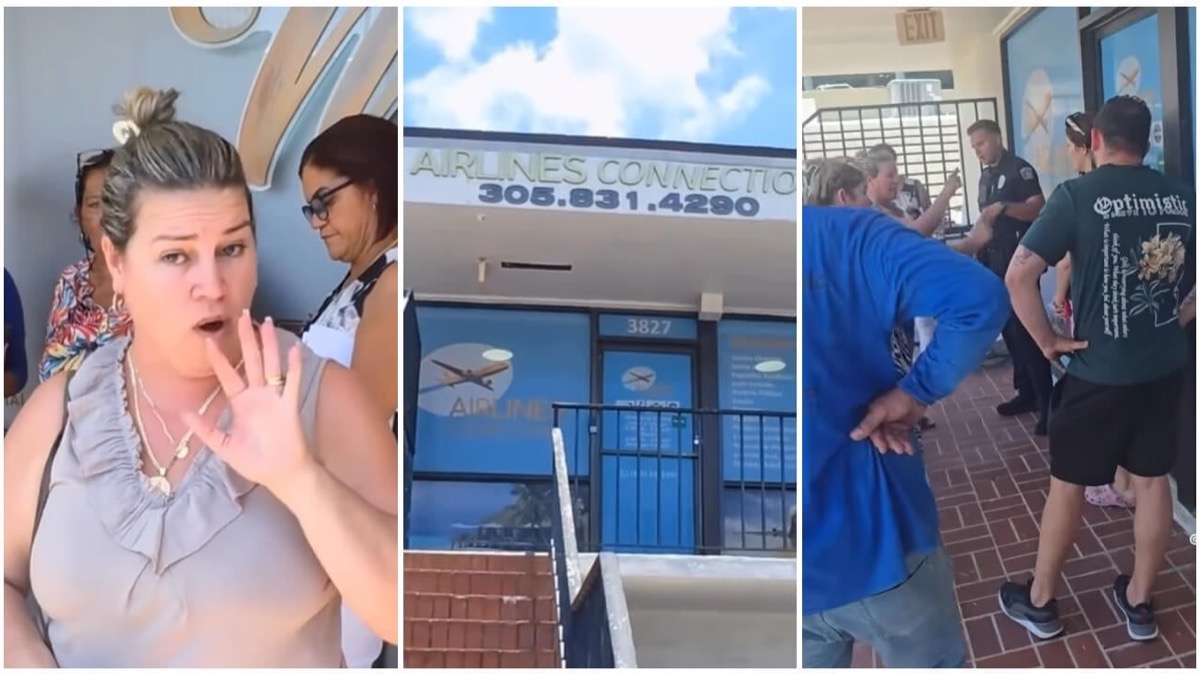
Cubans protest in Miami against Airlines Connections for alleged scam: they demand up to $20,000 in packages to Punta Cana
- World
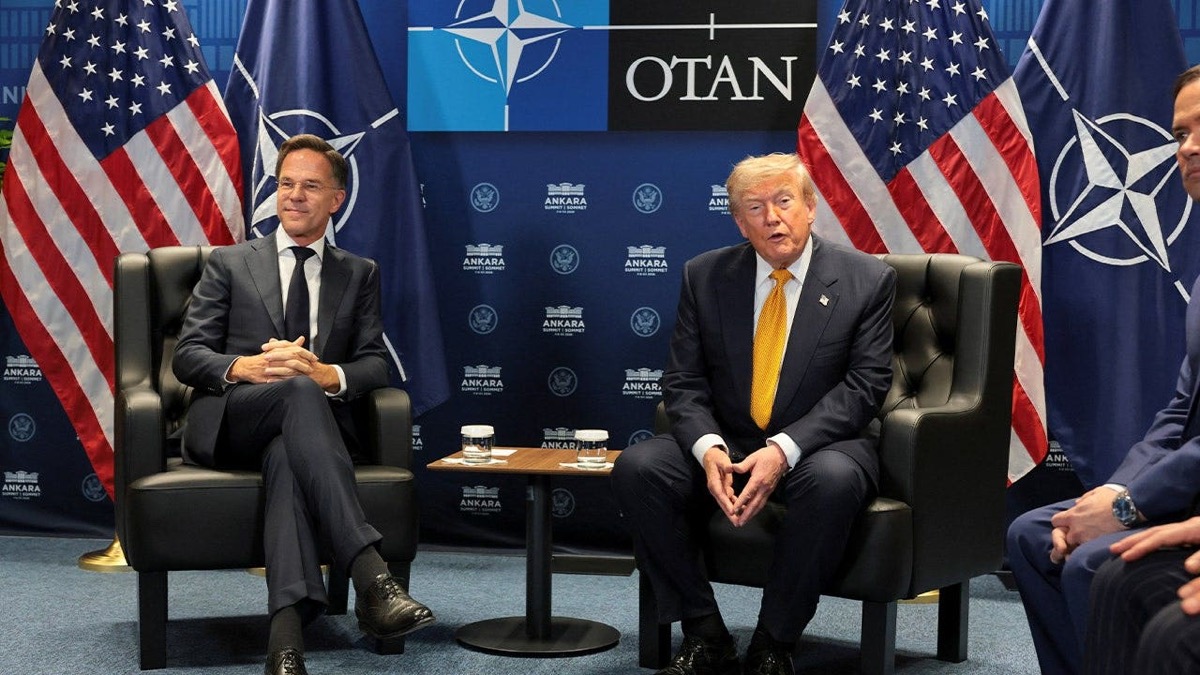
Trump declares the ceasefire with Iran over, orders new attacks in Hormuz and demands cutting trade with Spain in NATO
- Culture
Harry Potter on HBO: complete guide to the series (not yet released and already renewed for T2), dates, cast and controversies

- Culture
DUK App: Aly Sánchez launches her habits app "one day at a time" with a 63-day program

- Culture
I'm Edgy and Edgy Labs: From Nebraska's Walmart to a beef tallow cream brand that sells across the US.

- Culture
The Evening of the Year VI: all the winners, fights and performances of the Ibai night in Seville

- World
The FBI is investigating the AFA for alleged fraud and money laundering: about $300 million in sponsorships and operations in the US.
- World
El Cangrejo: profile of Raúl Guillermo Rodríguez Castro, Raúl Castro's grandson between GAESA, leaked luxuries and the first interview of 2026