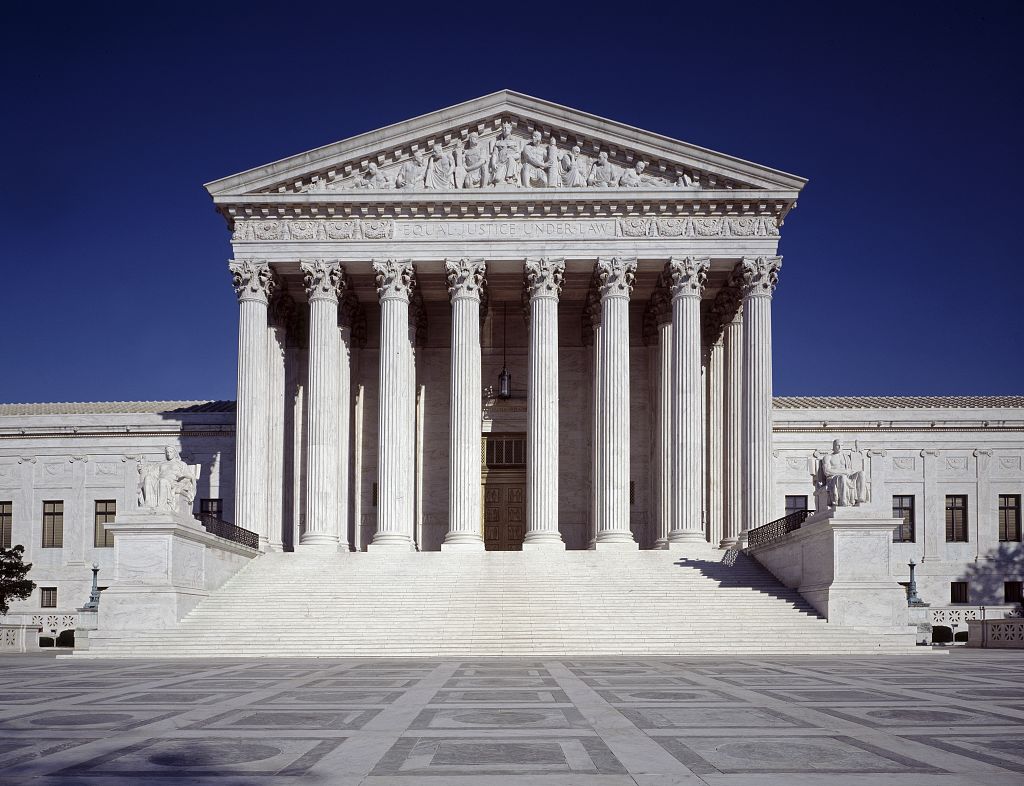
On Tuesday, June 30, 2026, the Supreme Court of the United States confirmed that the Amendment SCOTUS Wire summed it up in
What the court decided
In the consolidated caseTrump v. Barbara (docket 25-365), the court divided 6-3 in concluding that the president's policy is illegal. According to SCOTUSblog, Chief Justice John Roberts wrote for five votes that the order "cannot be reconciled" with the constitutional text that confers citizenship to who is born "in the United States, and subject to its jurisdiction." Roberts stressed that "children born to parents illegally or temporarily present in the United States" meet both requirements: "Under the Constitution, they are citizens at birth."
CBS News details that Roberts joined judges Sonia Sotomayor, Elena Kagan and Ketanji Brown Jackson, and Judge Amy Coney Barrett, in arguing that the order violates the 14th Amendment. Judge Brett Kavanaugh agreed to invalidate the measure, but by statute: in his opinion, Trump did not violate the Constitution, but rather a federal law that replicates the citizenship clause — and left open the possibility that Congress could legislate exceptions in the future.
Trump's executive order
Trump signed the directive on the first day of his second term, January 20, 2025, as part of his immigration agenda. The "Protecting the Meaning and Value of American Citizenship" order denied automatic citizenship to babies born in the US unless at least one parent was a citizen or legal permanent resident. It affected children of undocumented parents and holders of student, work or tourist visas, according to KSAT.
The measure was supposed to go into effect 30 days after signing, but was never implemented: federal judges in several states blocked it while lawsuits progressed. In July 2025, Judge Joseph Laplante (New Hampshire) issued an injunction that prevented denying citizenship to babies born after February 20, 2025. The government appealed directly to the Supreme Court, which accepted the case on December 5 and heard arguments on April 1, 2026.
Constitutional history: from Wong Kim Ark to today
Roberts anchored the decision in more than a century of precedent. The Fourteenth Amendment, ratified in 1868 after the Civil War, repudiated the Dred Scott decision (1857) and established that "all persons born or naturalized in the United States, and subject to the jurisdiction thereof, are citizens." In 1898, in United States v. Wong Kim Arkthe court confirmed that a young man born in San Francisco to Chinese parents was a citizen even though his parents could not naturalize due to racist laws of the time.
The Trump administration argued that “subject to jurisdiction” required primary loyalty or permanent domicile — a reading that Roberts called “dramatically revisionist” and without sufficient historical support. "Citizenship, then and now, was the right to have rights," concluded the chief justice, quoted by Law.com.
Dissidents and political reaction
Justice Samuel Alito strongly disagreed: he called the ruling "one of the most important in the history of the Court" and "a grave error." He argued that the 14th Amendment only confers citizenship on those who “at birth owe allegiance solely to this country.” Clarence Thomas—with partial support from Neil Gorsuch—rejected the majority's historical narrative.
Trump called the decision "very bad for our country" and called on Congress to act to limit automatic citizenship. According to CBS, since five justices linked the right to the Constitution, lastingly restricting it would likely require a constitutional amendment, not just a law. Representative Chip Roy (R-Texas) has already proposed legislation along those lines.
What changes in practice
- Birth certificates and passports for babies born on US soil follow the previous regime: automatic citizenship except for very limited historical exceptions (children of foreign diplomats with immunity, etc.).
- It is Trump's second major judicial setback in his second term after the partial invalidation of tariffs in February 2026.
- The immigration debate continues in Congress and in the campaign, but the executive order remains without legal effect.
More SCOTUS coverage in MARGENEZ: rulings of June 25, 2026 (asylum, Roundup, guns in Hawaii and TPS).
Most read
What readers are engaging with right now.
- Culture
Goose, the gay app that competes with Grindr, reaches the top 4 of Lifestyle in the App Store

- World
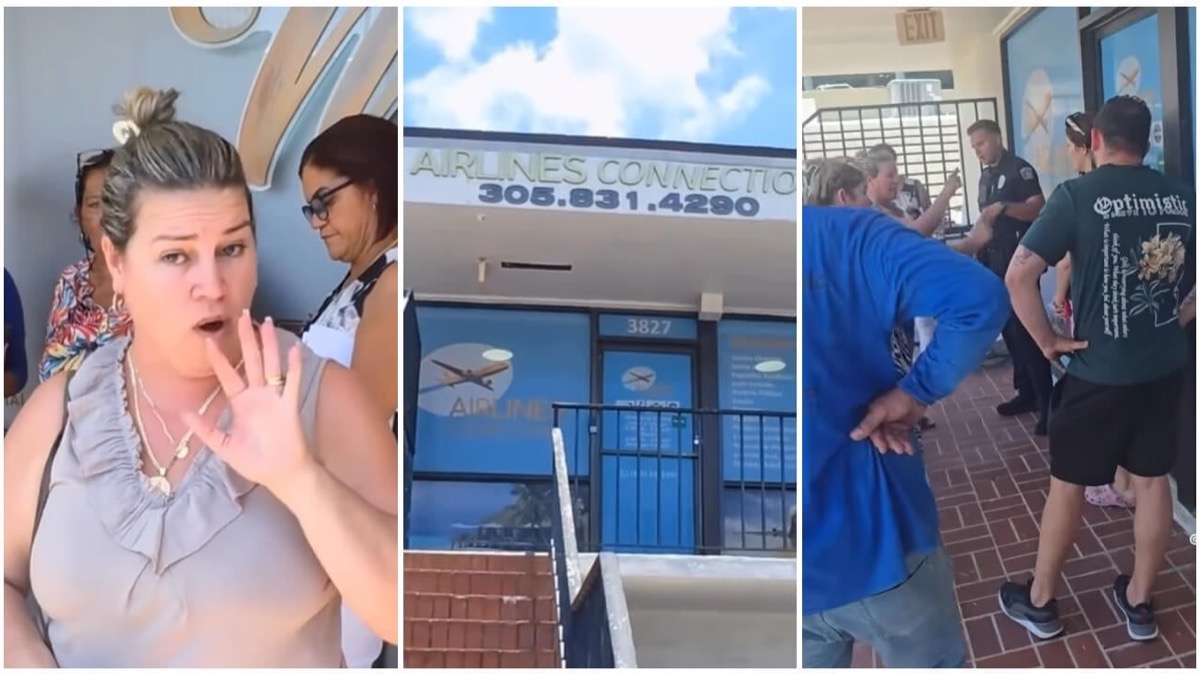
Cubans protest in Miami against Airlines Connections for alleged scam: they demand up to $20,000 in packages to Punta Cana
- World
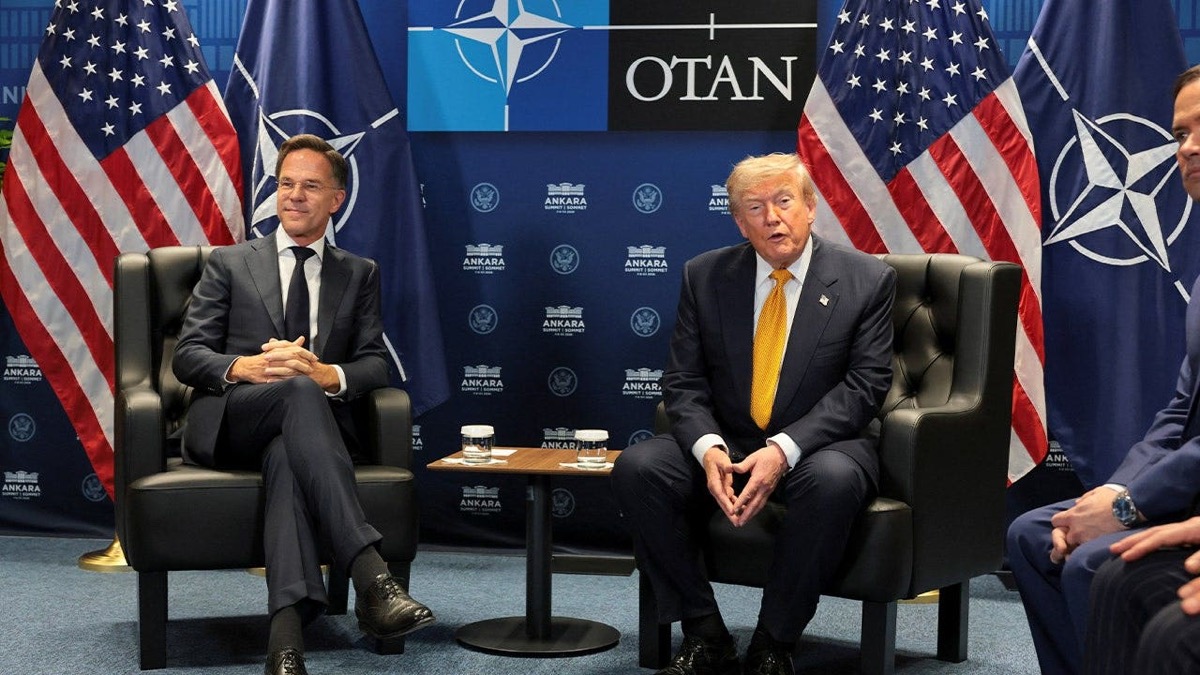
Trump declares the ceasefire with Iran over, orders new attacks in Hormuz and demands cutting trade with Spain in NATO
- Culture
Harry Potter on HBO: complete guide to the series (not yet released and already renewed for T2), dates, cast and controversies

- Culture
DUK App: Aly Sánchez launches her habits app "one day at a time" with a 63-day program
- Culture
I'm Edgy and Edgy Labs: From Nebraska's Walmart to a beef tallow cream brand that sells across the US.

- Culture
The Evening of the Year VI: all the winners, fights and performances of the Ibai night in Seville

- World
The FBI is investigating the AFA for alleged fraud and money laundering: about $300 million in sponsorships and operations in the US.
- World
El Cangrejo: profile of Raúl Guillermo Rodríguez Castro, Raúl Castro's grandson between GAESA, leaked luxuries and the first interview of 2026