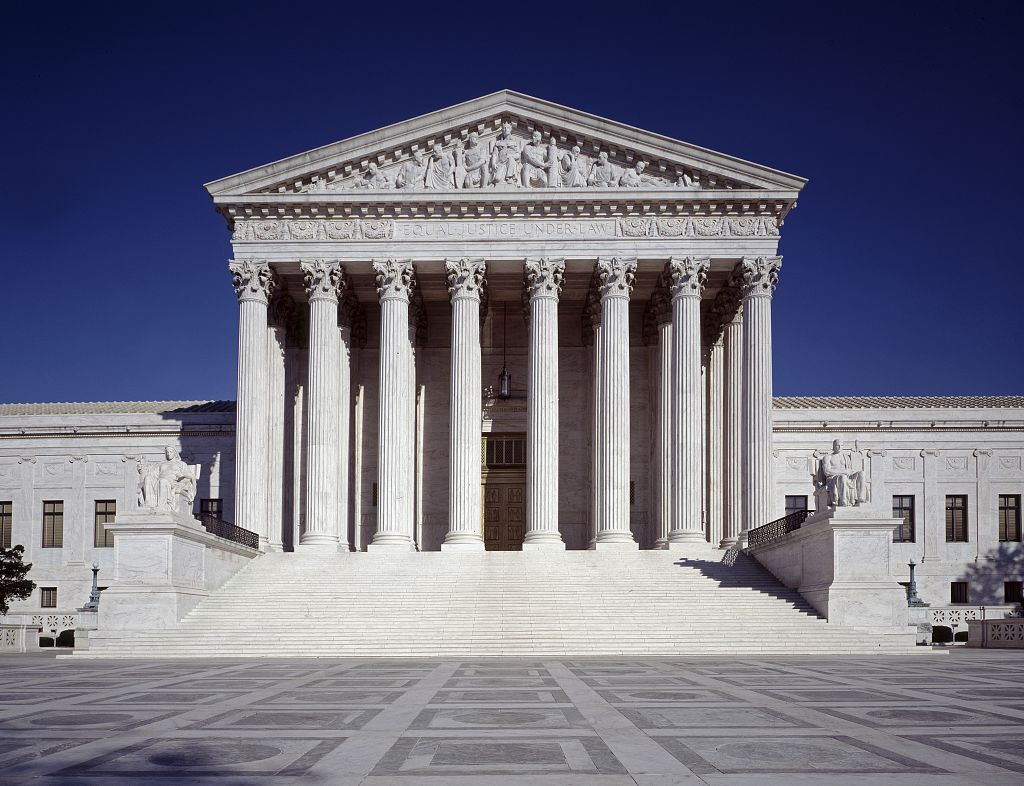
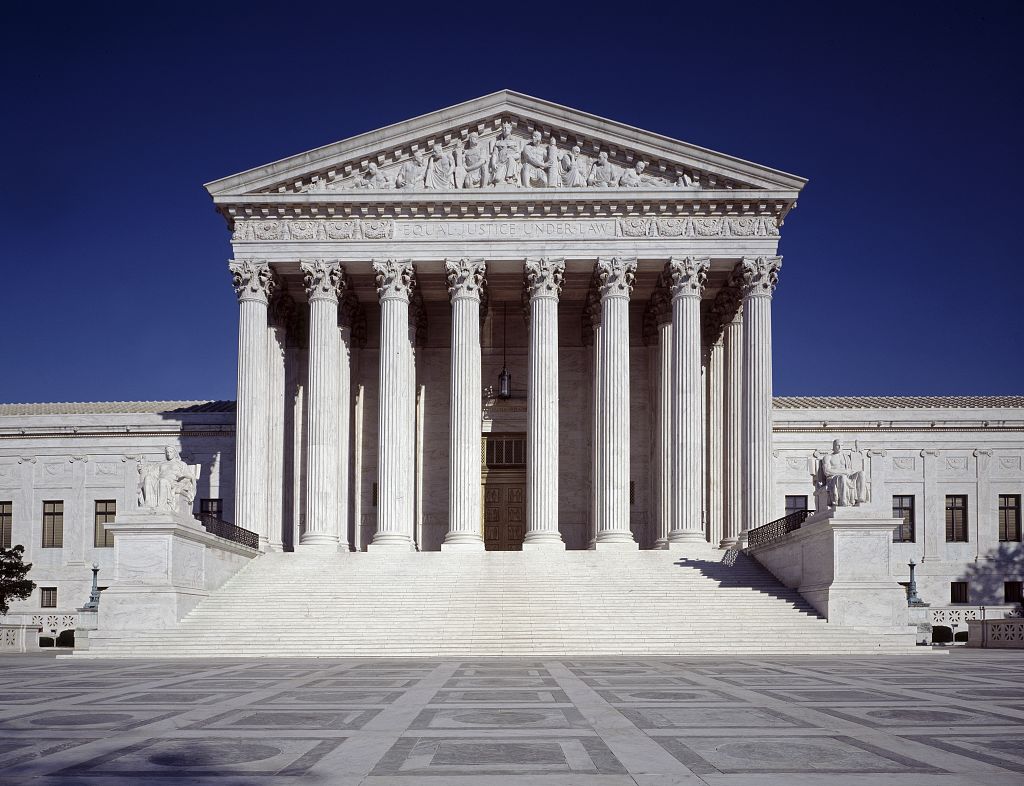
On Wednesday, June 25, 2026 the Supreme Court of the United States closed another historic day with four opinions that together reinforce the power of the federal government in immigration and pesticides, expand the right to carry weapons in private spaces open to the public and limit judicial supervision over humanitarian deportation decisions. Alerts from SCOTUS Wire marked the sequence between 14:04 and 14:26 ET; This guide breaks down each ruling, your vote, and what changes in practice.
| Case | Vote | Author (majority) | In a sentence |
|---|---|---|---|
| Noem v. To the Other Side | 6-3 | Alito | Asylum in Mexico: you haven't "arrived" in the US until you cross the line |
| Monsanto Co. v. Durnell | 7-2 | — | Missouri can't require cancer warning on Roundup if EPA doesn't approve it |
| Wolford v. Lopez | 6-3 | Alito | Hawaii cannot ban guns by default in businesses without express permission of the owner |
| Mullin v. Doe | 6-3 | Alito | No judicial review of the end of TPS for Syria and Haiti; weak discrimination claim |
1. Asylum on the border: Noem v. To the Other Side (6-3)
SCOTUS Wire summed it up in one line: the Court decides that asylum seekers waiting in Mexico have not “arrived in the United States” under immigration law, Therefore, they do not have the right to inspection or to request asylum until they physically cross the border.
The majority, with the opinion of Samuel Alito, validates the policy of metering or return in the line: agents can prevent migrants from setting foot on US soil at a border port, so that they never enter the legal status that activates the right to request protection. "In ordinary language, no one would say that a person 'arrives at' a place before entering it," Alito wrote, quoted by The Hill. «A foreigner who is standing in Mexico does not “come to the United States” by trying, and failing, to set foot in this country.»
Video: the case of asylum at the border
Context of the litigationNoem v. Al Otro Lado: the policy of “metering” and what it means to “arrive” in the US to request asylum. Source: YouTube; official audio at SupremeCourt.gov
The lawsuit was filed in 2017 by the organization Al Otro Lado and thirteen asylum seekers. The Ninth Circuit had ruled in his favor; The Supreme Court reverses that line. The three progressive justices—Sonia Sotomayor, Elena Kagan and Ketanji Brown Jackson—dissented. For the Trump administration, the decision opens the door to reactivating a tool that Biden had rescinded, according to Reuters/Yahoo.
2. Roundup and Monsanto: Monsanto Co. v. Durnell (7-2)
In a broader vote than the usual 6-3, the Court ruled that Missouri cannot force Monsanto to add a cancer risk warning to the herbicide Roundup (glyphosate) when federal pesticide law requires using the label approved by the EPA, which has repeatedly determined there is no carcinogenic risk, according to SCOTUS Wire and CBS News.
The decision blocks state lawsuits for "failure to warn" when they clash with the federal labeling regime. It is a major victory for Bayer, owner of Monsanto, in the face of thousands of lawsuits from farmers and gardeners who attribute their lymphoma to glyphosate. Two dissenting justices held that states can require additional public health warnings.
3. Guns in Hawaii: Wolford v. Lopez (6-3)
The Court struck down Hawaii's Act 52—known as the "vampire" rule—which prohibited concealed carry permit holders from entering private property open to the public (gas stations, supermarkets, restaurants) unless express permission of the owner, in writing, verbally, or with a visible sign. SCOTUS Wire and ABC News confirm the 6-3 vote: it violates the Second and Fourteenth Amendments.
Video: Wolford v. Lopezand the Hawaii law
Review of Hawaii's "vampire rule" and the oral arguments of January 2026, before the June 25 ruling. Source: YouTube; docket in SCOTUSblog
Jason Wolford, Alison Wolford and Atom Kasprzycki, along with the Hawaii Firearms Coalition, challenged the rule after the Bruen ruling (2022). The district judge agreed with them; the Ninth Circuit sided with the state. Alito, for the majority, held that a constitutional right cannot depend on asking permission in every business. It is the court's second pro-gun victory this term, after limiting marijuana bans on June 18 (The Hill).
4. TPS for Syria and Haiti: Mullin v. Doe(6-3)
In the fourth ruling of the day—SCOTUS Wire tweet—the Court held that courts cannot review the government's decision to end Temporary Protected Status (TPS) for citizens of Syria (~6,100) and Haiti (~350,000), and that the plaintiffs' claim of racial discrimination will likely not succeed.
CBS News and Reuters explain that Homeland Security Secretary Kristi Noem revoked those designations in 2025, citing national interest; federal judges in New York and Washington D.C. They had blocked the terminations. Alito wrote that the TPS law "clearly prohibits" consideration of plaintiffs' non-constitutional claims.
TPS allows you to legally live and work in the US when your home country is experiencing war or disaster. Haiti received it after the 2010 earthquake; Syria, after the civil war of 2012. Judge Ana Reyes had found signs of "racial animus" in the Haitian case; the Supreme Court removes that scrutiny. The decision adds to another of the court last year that allowed the end of TPS for Venezuelans.
What does the day mean as a whole?
The four rulings share a thread: a conservative majority that reduces legal avenues for migrants and state plaintiffs, expands federal preeminence (EPA, INA) and reinforces gun rights in the face of post-Bruen state legislation. Together they affect hundreds of thousands of migrants with TPS, asylum seekers at the southern border, gun carriers in Hawaii, and litigants against Monsanto.
If you are looking for the analysis from the previous Tuesday, consult our guide to the five failures of June 23, 2026 (Exxon/Cuba, Cisco, Lau, Pung and Landor).
In summary
On June 25, 2026 the Supreme Court published four opinions: 6-3 to validate the asylum blockade at the border (Noem v. Al Otro Lado), 7-2 to protect Roundup labels (Monsanto v. Durnell), 6-3 to strike down Hawaii's gun law (Wolford v. Lopez) and 6-3 to annul the orders that froze the end of TPS for Syria and Haiti (Mullin v. Doe). Official and specialized sources agree: it is one of the densest days of the current judicial mandate on immigration, public health and the Second Amendment.
Most read
What readers are engaging with right now.
- Culture
Goose, the gay app that competes with Grindr, reaches the top 4 of Lifestyle in the App Store

- World
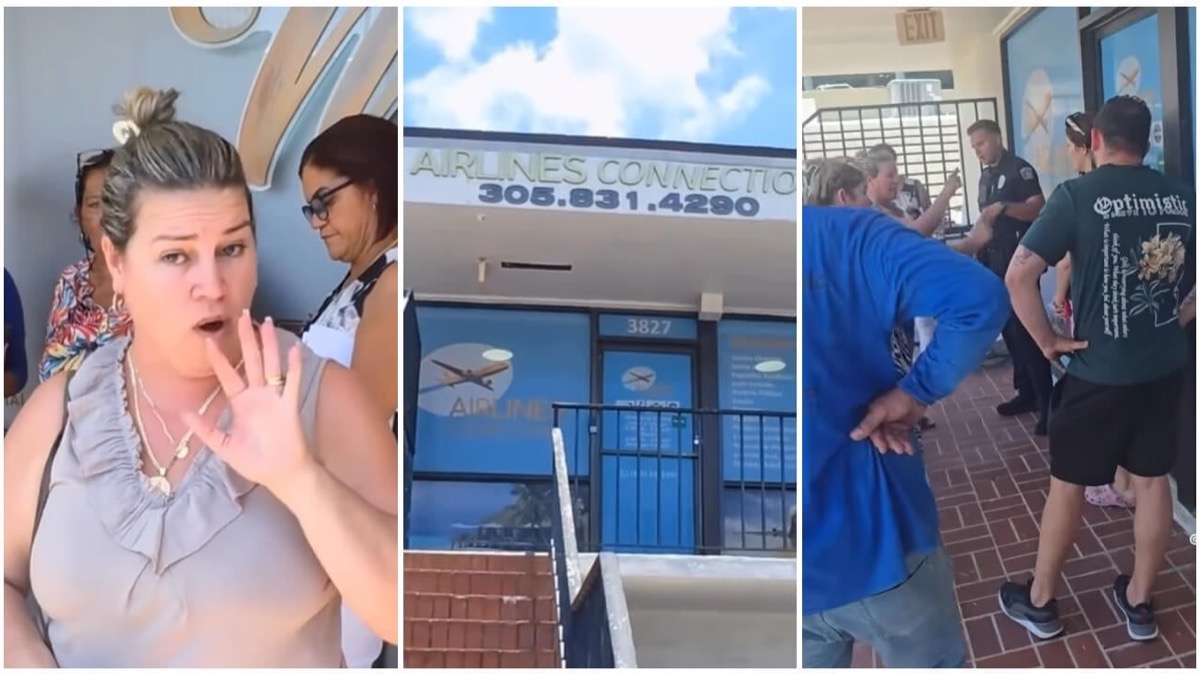
Cubans protest in Miami against Airlines Connections for alleged scam: they demand up to $20,000 in packages to Punta Cana
- World
Trump declares the ceasefire with Iran over, orders new attacks in Hormuz and demands cutting trade with Spain in NATO
- Culture
Harry Potter on HBO: complete guide to the series (not yet released and already renewed for T2), dates, cast and controversies

- Culture
DUK App: Aly Sánchez launches her habits app "one day at a time" with a 63-day program
- Culture
I'm Edgy and Edgy Labs: From Nebraska's Walmart to a beef tallow cream brand that sells across the US.

- Culture
The Evening of the Year VI: all the winners, fights and performances of the Ibai night in Seville

- World
The FBI is investigating the AFA for alleged fraud and money laundering: about $300 million in sponsorships and operations in the US.
- World
El Cangrejo: profile of Raúl Guillermo Rodríguez Castro, Raúl Castro's grandson between GAESA, leaked luxuries and the first interview of 2026