The voice of Celia Cruz once again has a presence in the public debate, this time with a different framework: it is not a spontaneous tribute or an anonymous deepfake, but an official vocal synthesis project with artificial intelligence commissioned to ElevenLabs. As reported by the EFE agency on June 26, 2026 from Miami, her executor Omer Pardillo confirmed that the Queen of Salsa—who died in 2003—becomes the first Latin artist whose voice has been recreated with AI under the direct supervision of the estate of the Cuban singer, born in Havana in 1925.
Official audio: «Life is a Carnival» — Celia Cruz
Reference to the timbre and vocal energy that the heritage seeks to preserve: one of Celia Cruz's emblematic songs on her official YouTube channel. Source: CeliaCruzVEVO — YouTube
What Celia Cruz's estate announced
Pardillo explained to EFE that the objective is to preserve the legacy of the artist and bring him closer to new generations without giving up control over his image and his voice—two central elements of one of the most recognizable figures in Latin music. The voice generated with AI is already created and registered, but its use will not be free or massive: «It is not that everyone is going to have access and take Celia's voice and do whatever they want, no. This is a very limited process," he stressed in statements reported by Diario Libre and other media.
Each proposal, he added, will be analyzed before receiving authorization. «I have to be very careful because I don't want Celia's voice to be used for things that she would not have wanted. "Always when I'm going to start a project I think about it three times and think: Would she have liked it or wouldn't she have liked it?", he emphasized according to EFE coverage.
Why ElevenLabs and what uses it contemplates
The technical work was carried out by ElevenLabs, a company specialized in voice synthesis that had already recreated the voice of the poet Maya Angelou and the artist Salvador Dalí. Pardillo — who worked with Celia Cruz since she was 17 — indicated that she met Angelou through the salsera and that this precedent helped dispel her initial reservations about the technology, according to El Debate and CiberCuba.
Among the applications contemplated by the heritage are audiobook narration, educational content and responses based on the artist's own statements, always aligned with her thoughts. Although the technology allows Spanish and English, the priority will be Spanish; "some little things in English" are only considered if they maintain the authenticity of the interpreter.
Pardillo categorically ruled out any political use: "I would never use it for anything political, any campaign or anything like that," he declared according to the international press. ElevenLabs' message, for its part, was formulated by Bridget Ferris, head of talent alliances: «There is no voice like Celia Cruz's; "His energy, his joy and his cultural impact are truly unique," adding that the collaboration seeks to bring his voice "to this new chapter of technology in a way that is intentional and worthy of his extraordinary legacy."

Context: years of tension with AI
The announcement comes after a period of friction surrounding the unauthorized use of Celia Cruz's voice. In July 2023, the estate publicly declared its opposition to any use of its image or voice with artificial intelligence without express permission, invoking Title 17 of the US code, according to CiberCuba and other media.
Since then there have been cases without official authorization that the estate did not endorse: in 2023, Yotuel recreated his voice in a version of "Patria y Vida" with Arturo Sandoval; In February 2024, Gente de Zona used it at the Lo Nuestro awards with the song "Celia", which accumulated millions of views on YouTube. The project with ElevenLabs seeks to chart an opposite path: registered voice, technological partners with control mechanisms and legal avenue against illicit uses. «The biggest fear was that everyone would have access and that tomorrow they would find Celia's voice speaking to some character that she had never wanted. "That doesn't happen," Pardillo summarized.
What it means for Latin culture and AI
Celia Cruz recorded more than 50 albums and received more than 100 awards throughout a career that turned salsa into a global phenomenon. That your estate now chooses AI does not open the door to a “Celia GPT” for anyone: it establishes a precedent of controlled license at a time when vocal cloning is increasingly accessible.
For listeners and developers, the lesson is twofold: technology can extend a cultural legacy with educational and publishing projects; but without the endorsement of the estate, any recreation remains exposed to legal claims. Pardillo made it clear: "There is absolute control over management."
In summary
What happened? ElevenLabs officially recreated Celia Cruz's voice with AI, with the approval of her executor. For what? Audiobooks, education and Hispanic culture—not politics. Who controls? The artist's assets, with legal registration and support from ElevenLabs. Why does it matter? She is the first Latina with an official AI vocal model; marks how the music industry can negotiate with AI after years of unauthorized uses.
Most read
What readers are engaging with right now.
- Culture
Goose, the gay app that competes with Grindr, reaches the top 4 of Lifestyle in the App Store

- World
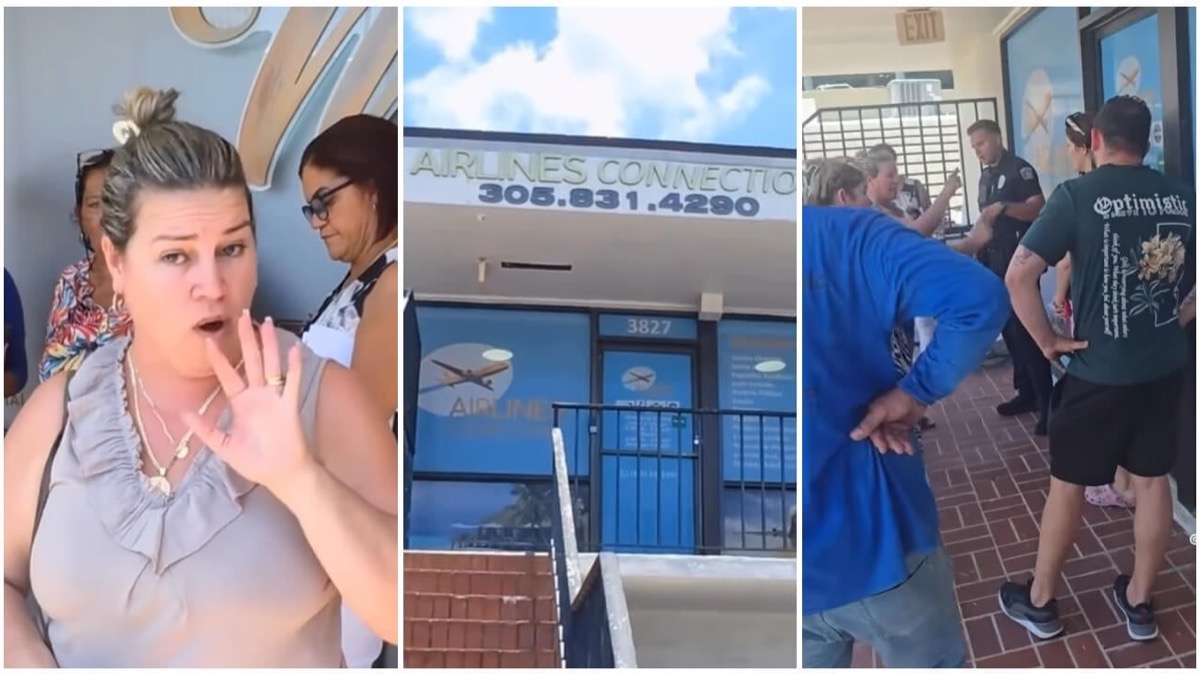
Cubans protest in Miami against Airlines Connections for alleged scam: they demand up to $20,000 in packages to Punta Cana
- World
Trump declares the ceasefire with Iran over, orders new attacks in Hormuz and demands cutting trade with Spain in NATO

- Culture
Harry Potter on HBO: complete guide to the series (not yet released and already renewed for T2), dates, cast and controversies

- Culture
DUK App: Aly Sánchez launches her habits app "one day at a time" with a 63-day program

- Culture
I'm Edgy and Edgy Labs: From Nebraska's Walmart to a beef tallow cream brand that sells across the US.

- Culture
The Evening of the Year VI: all the winners, fights and performances of the Ibai night in Seville

- World
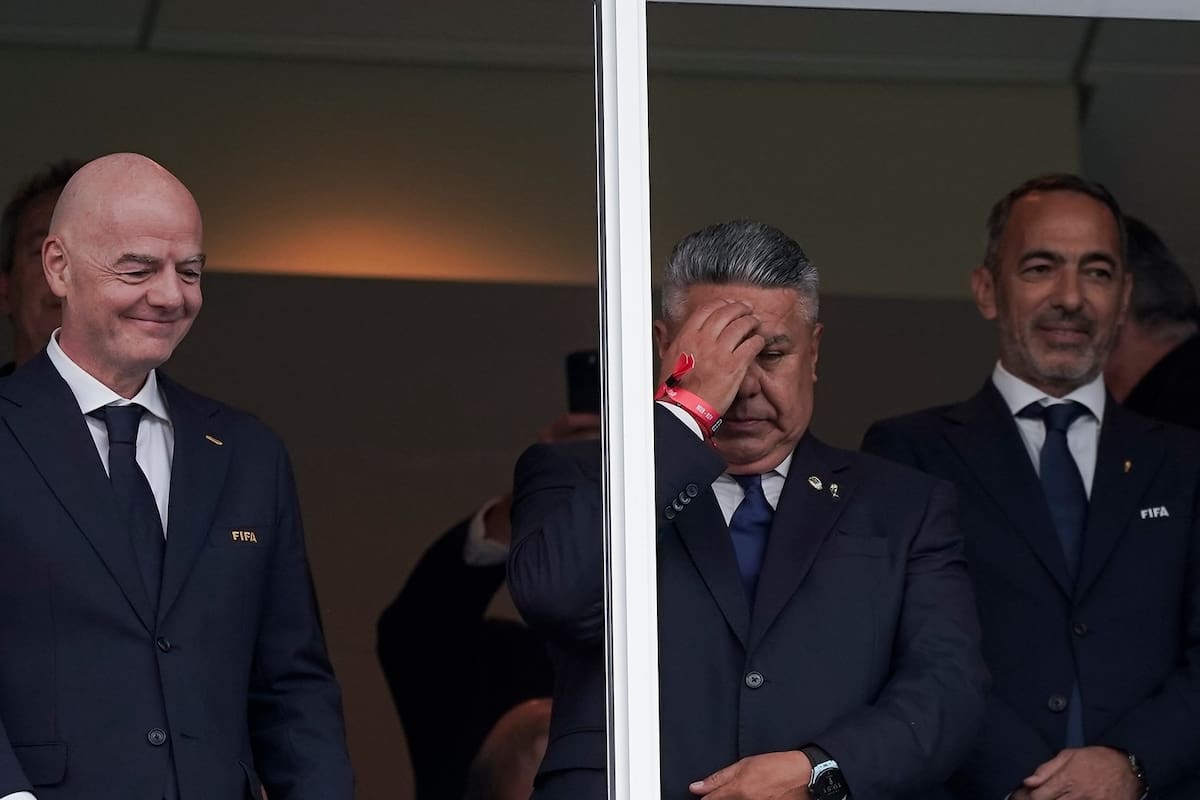
The FBI is investigating the AFA for alleged fraud and money laundering: about $300 million in sponsorships and operations in the US.
- World
El Cangrejo: profile of Raúl Guillermo Rodríguez Castro, Raúl Castro's grandson between GAESA, leaked luxuries and the first interview of 2026