
Luis Miguel Gallego Basteri —El Sol de México— is one of the few voices in Latin pop that survives time without depending on production trends. He started as a child prodigy in the 1980s, dominated the romanticism of the nineties with Romances and continues to be a reference when he sings bolero, ballad or mariachi live. This profile, the first in the series Voices that make magic, reviews what makes your instrument special: range, technique, style, and the repertoire that best demonstrates it.
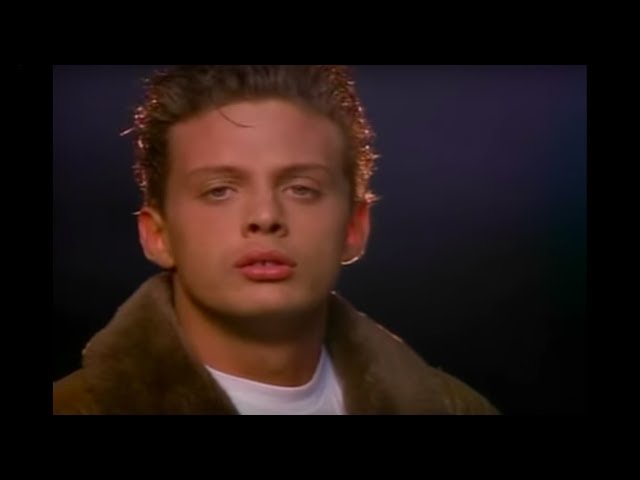
Video: The Unconditional — official video clip
1989 ballad written by Juan Carlos Calderón: early example of the mid-high register, clear diction and melodic phrasing that defined his adult career. Source: Luis Miguel — YouTube
Vocal range: from deep bass to bright treble
Vocal range estimates—always approximate outside of a phoniatric study—place Luis Miguel between G2 and D#5, about 2.5 octaves useful in documented recordings and concerts. This amplitude places it on the border between baritone and light tenor: it can anchor heavy bass phrases (such as in spoken-sung introductions or bolero passages) and rise to ballad treble without forcing the timbre.
What is striking is not only the upper limit, but the uniformity of the timbre when crossing registers. In songs like La Inconditional or Contigo en la Distancia, the voice maintains brightness in the middle register and reserves power for the climax without the vibrato getting out of control. That continuity—well-trained chest, mix, and head—is one of the reasons why his live performance remains demanding even decades after his childhood debut.
Technique: breathing, vibrato and diction
Luis Miguel grew up in an environment where live performance was as important as the studio. Their performances show stable diaphragmatic support: the long bolero phrases are sustained without audible micro-breaks, and the crescendo towards the final chorus arrives with a reserved air, not with a last desperate push.
vibrato is another hallmark. It is not excessively fast or flat: it enters the end of sustained notes regularly, especially in romantic ballads. In danceable pop (Now you can leave, Será que no me amas) he reduces the vibrato and opts for drier and more rhythmic attacks, which demonstrates stylistic awareness — it is not the same coloration for bolero as for Latin funk.
The diction in Spanish is impeccable by radio standards: audible final consonants, open vowels in "a" and "e" without nasalization. That matters in bolero, where a misplaced syllable breaks the melodic line. Live he maintains that clarity even with a full band or mariachi behind him, an acoustic challenge that many pop singers do not overcome without heavy correction.
Style: from eighties pop to classic bolero
Luis Miguel's career can be read as a succession of vocal reinventions, not voice changes. In the 80s, youthful romantic pop and ballads with synthetic production (Decídete, 1+1=2 lovers) dominated. In the 90s he opted for the bolero-canon: Romances, Segundo Romance and Romance recovered composers such as Agustín Lara, María Grever and Armando Manzanero with luxurious orchestral arrangements.
Gustavo Santaolalla, co-producer of Romances, has described in interviews the challenge of modernizing the bolero without betraying its cadence. Luis Miguel provides a young but authoritative tone: he does not imitate the singers of the golden age, he rereads them with more contemporary phrasing. Songs like With you in the distance or Perdóname are proof of this: melodic respect, but with stadium dynamics.
In the 2000s he explored mariachi live with México en la Piel (2004) and tours where the charro suit and the charanga were not folkloric adornment, but proof of style. Singing Sin ti or La mediavuelta with mariachi requires projection without a studio microphone and tuning against trumpets: there you can see the classic school of Mexican interpretation that few pop stars share.
Video: Now you can leave — official video clip
1990 soul/funk cover (original by Earl King): their most viewed official video on YouTube (~965 million views). It shows a different register—rhythm, dry attacks and less vibrato—than the romantic bolero. Source: Warner Music México — YouTube
Albums and songs that best show his voice
For anyone who wants to listen with an analytical ear, these entry points are especially clear:
- La Unconditional (1989) — medium-high register, long phrasing and controlled climax; video clip above.
- Romances (1991) — boleros with orchestra; test of emotional sustain and diction.
- Now You Can Go (1990) — soul/funk version; shows rhythm and flexibility outside of the baladón; video clip above.
- México en la Piel (2004) — mariachi in studio and on tour; projection and tuning in a classic Mexican context.
- La Bikina / Sabor a mí (live) — traditional repertoire with band; scenic style reference.
According to Wikipedia, Luis Miguel has accumulated tens of millions of albums sold and multiple Grammy and Latin Grammy awards — figures that do not define a voice, but confirm that his vocal proposal had sustained continental resonance.
Why it is still a reference
In an era of aggressive autocorrect and voices processed for streaming, Luis Miguel represents a different archetype: singer-performer trained for live performance, with repertoire that demands real control. It is neither the extreme range of an operatic tenor nor the perpetual falsetto of today's pop; It is the combination of practical posture, adaptive style and stage longevity.
That's why we opened Voices that make magic with him: his voice is better understood by listening to how he modulates a single bolero phrase than by reading any hit list. In the next profiles we will continue with other voices that impress for different reasons - range, timbre, improvisation or classical technique - but Luis Miguel sets the bar for what it means to master several musical languages with a single instrument.
Series: This article is part of Voices that make magic. Listen: official channel Luis Miguel on YouTube and catalog on digital platforms via Warner Music.
In summary
Rank? Dear G2–D#5; comfortable tessitura in ballads and bolero. Technique? Stable breathing, controlled vibrato, clear diction. Style? Latin pop, classic bolero and live mariachi. Why does it matter? Performative longevity and vocal coherence between studio and stage. Next step? More profiles in the Voices that make magic series.
Most read
What readers are engaging with right now.
- Culture
Goose, the gay app that competes with Grindr, reaches the top 4 of Lifestyle in the App Store

- World
Cubans protest in Miami against Airlines Connections for alleged scam: they demand up to $20,000 in packages to Punta Cana

- World
Trump declares the ceasefire with Iran over, orders new attacks in Hormuz and demands cutting trade with Spain in NATO

- Culture
Harry Potter on HBO: complete guide to the series (not yet released and already renewed for T2), dates, cast and controversies

- Culture
DUK App: Aly Sánchez launches her habits app "one day at a time" with a 63-day program

- Culture
I'm Edgy and Edgy Labs: From Nebraska's Walmart to a beef tallow cream brand that sells across the US.

- Culture
The Evening of the Year VI: all the winners, fights and performances of the Ibai night in Seville

- World
The FBI is investigating the AFA for alleged fraud and money laundering: about $300 million in sponsorships and operations in the US.

- World
El Cangrejo: profile of Raúl Guillermo Rodríguez Castro, Raúl Castro's grandson between GAESA, leaked luxuries and the first interview of 2026