In 2002, when the internet had not yet democratized video and deepfakes did not exist, Andrew Niccol released S1m0ne (Simone): a satirical science fiction comedy in which a director in free fall, played by Al Pacino, invents a computer-generated superstar. Twenty-four years later, with Generative AI on the cover – synthetic video, digital clones, virtual influencers and the Hollywood debate on the use of artificial intelligence – the film stops seeming like a distant joke. It feels like a dress rehearsal for what we're already seeing, half-hearted, in pop culture.
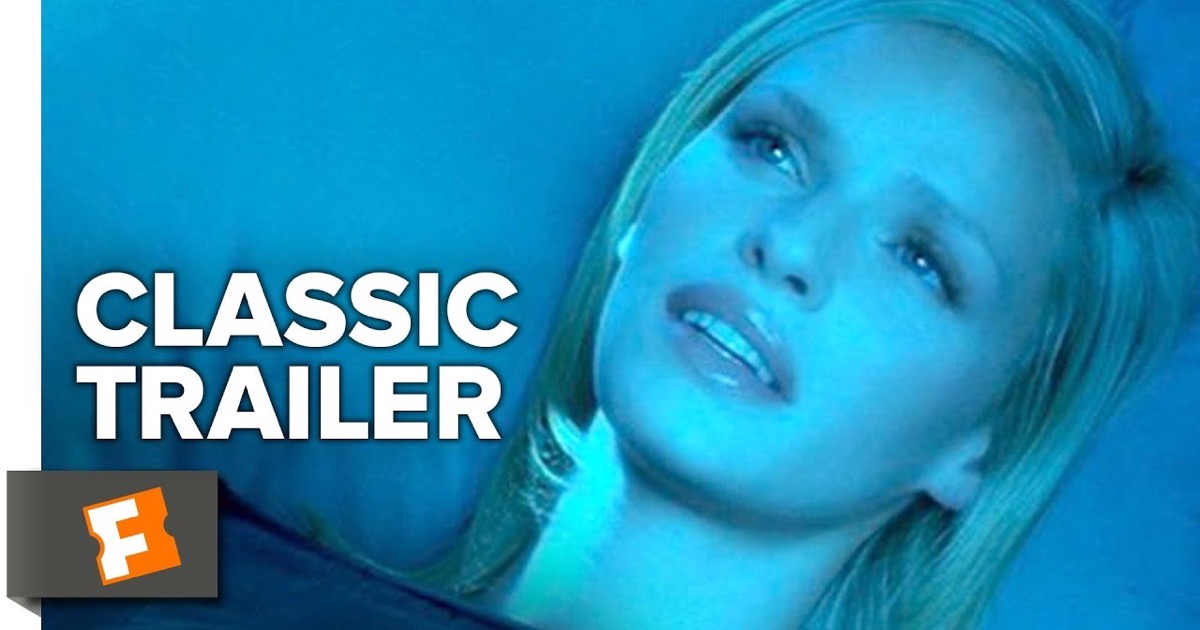
Video: official trailer (Rotten Tomatoes Classic Trailers)
Trailer for S1m0ne (2002) with Al Pacino, Catherine Keener and Winona Ryder. Source: Rotten Tomatoes Classic Trailers — YouTube
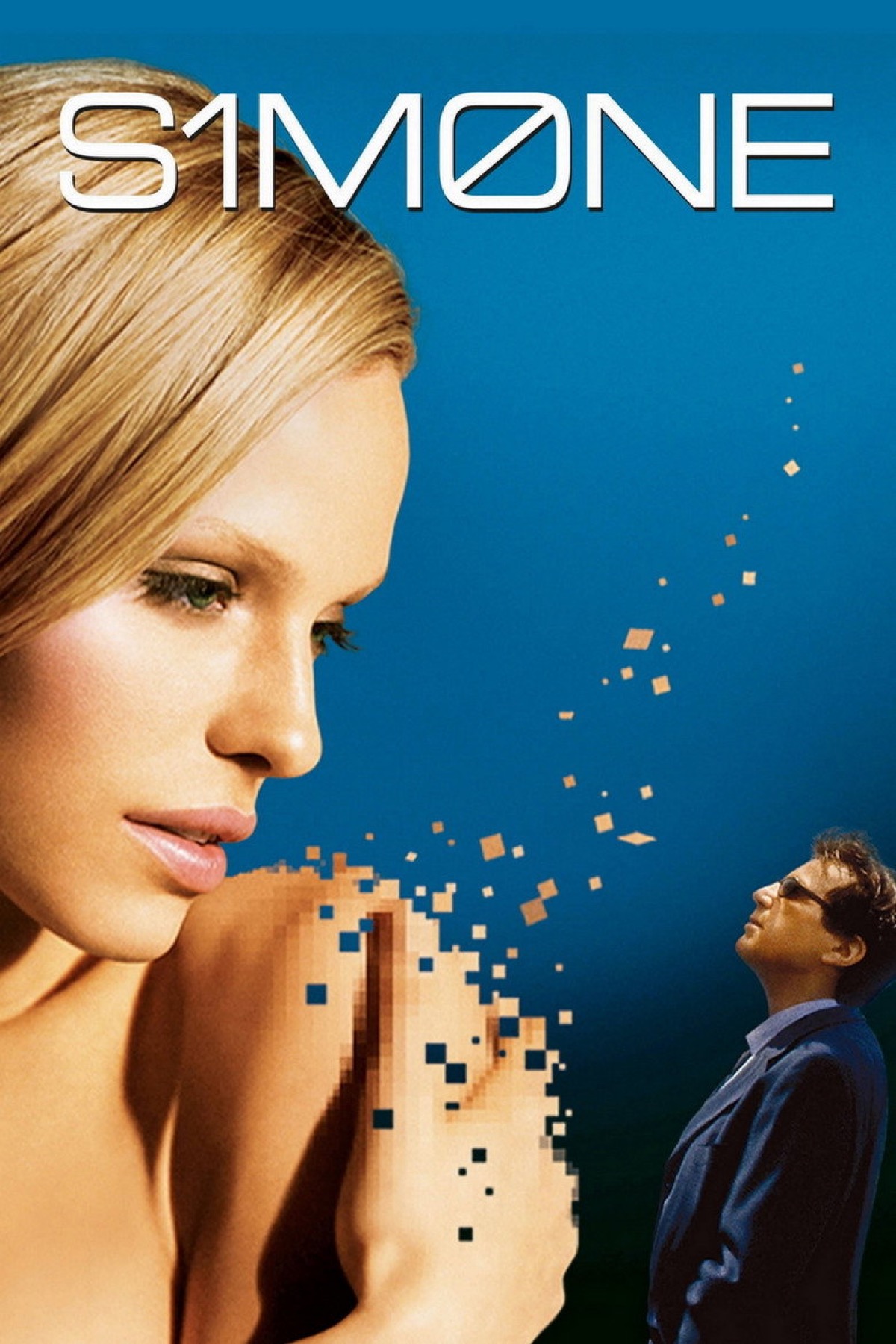
What's it about S1m0ne
According to the synopsis of IMDb and Wikipedia, Viktor Taransky (Pacino) is a filmmaker whose last chance fades when the diva Nicola Anders (Winona Ryder, in a meta-cinematic cameo) leaves the shoot. Viktor then activates Simone—a name that plays with “Simulation One”—: an actress created with software that composes face, voice and movement. The montage triumphs; the public falls in love; The media covers her as if she were flesh and blood. Viktor must lie, make up appearances and manipulate interviews to sustain the charade while Simone becomes a global icon.
The grace—and the concern—of the film is that it is not a blockbuster of effects: it is a media satire. Niccol, also the author of Gattaca and screenwriter of The Truman Show, has been obsessed with fabricated identities and edited realities for years. In S1m0ne he asks what we value in a star if his image is perfect but his person is a contractual hologram. The response given by the film is ruthless: the public is often enough with the product.
Is this similar to what happens today with AI?
In 2002, the film's technology was visual fiction: on screen, Rachel Roberts plays Simone while the story insists that "everything is CGI." Today the parallels are obvious:
- Deepfakes and generative video — tools like Sora, Runway or Pika allow you to create faces and scenes that two decades ago required an entire studio.
- Digital resurrections — deceased actors or young people “rejuvenated” with digital effects in million-dollar franchises.
- Influencers and virtual idols — characters who have never physically existed but sign campaigns and attract audiences.
- Hollywood and the unions — the 2023 writers and actors strikes included explicit clauses on AI; Viktor's fear of having his trick discovered is the industry's fear of losing control over the image.
Will we see "very soon" exactly what happens with S1m0ne? Parts of it are already here: ads with cloned voices, artists denouncing non-consensual use of their likeness and studios testing digital extras. What the movie exaggerated—an entire made-up star that no one questions—is still extreme, but the direction is clear. The question is no longer whether technology can deceive us, but whether we want it to do so and who gets the rights when it does so.
Team, reception and legacy
Andrew Niccol wrote, produced and directed the film for New Line Cinema and Jersey Films. The cast is completed by Catherine Keener as Viktor's ex-wife, Evan Rachel Wood as his daughter, and Jay Mohr as a presenter who fuels the hype. The film cost about $10 million and grossed about $19.6 million worldwide, according to Wikipedia; in Rotten Tomatoes the criticism was mixed, although with defenders of the prophetic tone.
Over time, S1m0ne has gone from "forgotten curiosity" to cult film among those who follow the ethics of AI. He didn't get all the details right—the social internet and streaming changed the rules of the game—but the core remains: the entertainment industry can manufacture desire; Technology only makes deception cheaper.
Where to watch S1m0ne in 2026
Availability varies by country, but as of July 13, 2026, typical options include:
- Prime Video — rental (~$3.99) or digital purchase in the United States.
- Kanopy — free subscription with library or university in the US
- Apple TV, Google Play and YouTube Movies — rent or purchase depending on territory.
In many countries it is not on Netflix with subscription (the file exists, but usually shows regional restriction). Always check your local catalog before searching.
Recommendation: If you are interested in AI and cinema, S1m0ne is one of those films that ages in reverse: the more technology advances, the more disturbing it becomes. The official trailer is above; the full movie, on Prime Video and other rental platforms.
In summary
What is it? A 2002 satire about a 100% digital actress who conquers Hollywood. Who made it? Andrew Niccol directs; Al Pacino stars. Why watch it now? Because deepfakes, AI video and the debate about synthetic actors make its premise sound less like science fiction. Where? IMDb tt0258153, trailer above and streaming/rental on Prime Video and other digital stores.
Most read
What readers are engaging with right now.
- Culture
Goose, the gay app that competes with Grindr, reaches the top 4 of Lifestyle in the App Store

- World
Cubans protest in Miami against Airlines Connections for alleged scam: they demand up to $20,000 in packages to Punta Cana

- World
Trump declares the ceasefire with Iran over, orders new attacks in Hormuz and demands cutting trade with Spain in NATO

- Culture
Harry Potter on HBO: complete guide to the series (not yet released and already renewed for T2), dates, cast and controversies

- Culture
DUK App: Aly Sánchez launches her habits app "one day at a time" with a 63-day program

- Culture
I'm Edgy and Edgy Labs: From Nebraska's Walmart to a beef tallow cream brand that sells across the US.

- Culture
The Evening of the Year VI: all the winners, fights and performances of the Ibai night in Seville

- World
The FBI is investigating the AFA for alleged fraud and money laundering: about $300 million in sponsorships and operations in the US.

- World
El Cangrejo: profile of Raúl Guillermo Rodríguez Castro, Raúl Castro's grandson between GAESA, leaked luxuries and the first interview of 2026