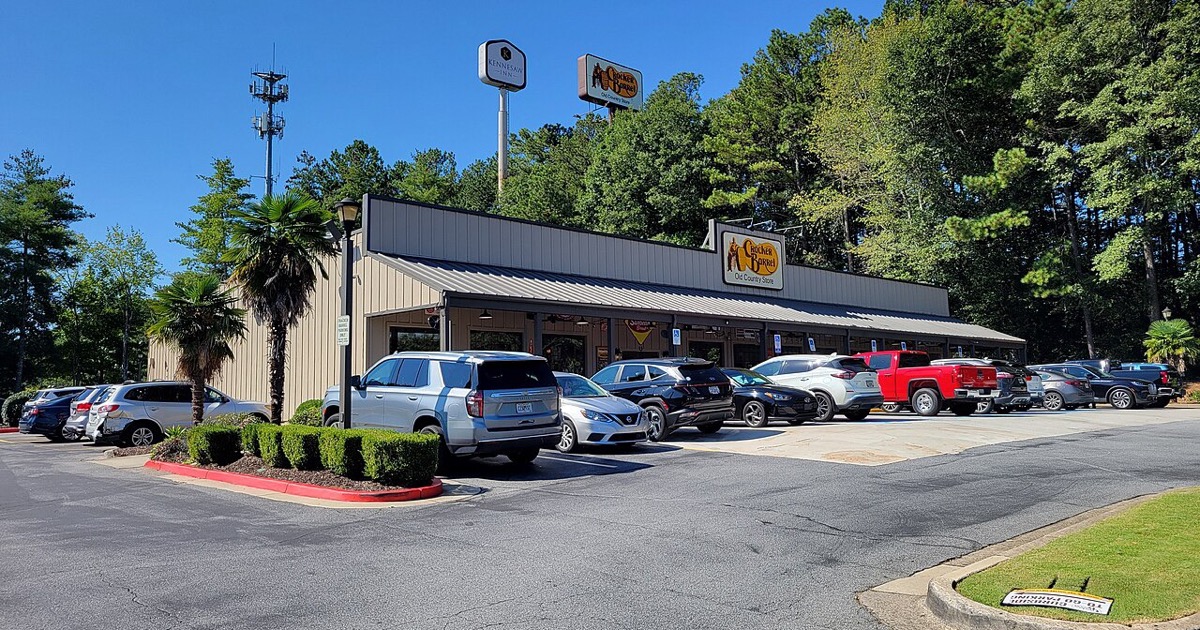
Cracker Barrel Old Country Store announced this Monday, July 27, 2026 that Julie Felss Masino will step down as president and board of directors on August 10. She will be succeeded by David Deno, a restaurant veteran who led Bloomin' Brands. The news immediately circulated on networks — including a viral publication by Collin Rugg on The company, however, talks about a planned transition. The reality is in the middle: it is not a spontaneous resignation of those who leave with the project completed, but the closing of a chapter that began with a rebrand that the stock market, clients and even the president of the United States strongly rejected.
What Cracker Barrel announced today
In an official statement, Cracker Barrel said that, following an “exhaustive search and succession planning process,” David Deno will be the next CEO and will enter the council on August 10, 2026. Julie Masino will "cease to serve" as president and director on that same date, but will remain with the company as advisor until October 9 to facilitate the transfer.
The independent president of the council, Carl Berquist, praised Deno for his experience in restaurants and retail and thanked Masino "for his leadership and commitment." Masino did not appear on the investor call or offer a public interview on the day of the announcement, according to ABC News.
David Deno has more than four decades in the sector. He was CEO of Bloomin' Brands (2019-2024), CFO of Yum! Brands and Pizza Hut, and held positions at Best Buy and Burger King. Today he is part of the boards of Krispy Kreme and Panera Brands. In the statement, Deno called Cracker Barrel "a truly iconic American brand" and promised to "unlock the full potential" of the chain.
Was it a dismissal or a resignation?
Corporate language matters. Cracker Barrel uses "step down," not voluntary "resignation" or explicit "termination." But several signs point to a council-driven exit, not a triumphant retirement:
- Masino took office in July 2023 with a modernization mandate; The logo episode of August 2025 damaged the trust of customers, investors and shareholders.
- The activist Sardar Biglari – owner of a relevant stake in CBRL – spent years pushing to remove it. In November 2025 he tried to remove her in a proxy fight; the shareholders kept it, but the conflict did not disappear (Restaurant Dive).
- Media such as Daily Voice and stock market analysts directly headlined "resigns after failed rebrand" or "CEO transition"—common euphemisms when the board looks for new leadership after a visible strategic error.
- Masino herself said in an interview with Glenn Beck that she felt as if she had been "fired by America" after the logo controversy (Fox Business).
In short: there is no statement that says "farewell", but it is not the departure of a CEO who leaves with the unanimous support of the market. It is the logical consequence of a mandate marked by the company's biggest image crisis in decades.
The rebrand controversy: what really happened in 2025
To understand Masino's departure, we must go back to May 2024, when Cracker Barrel presented a "strategic transformation" plan. The diagnosis was harsh: customer traffic had fallen by 16% compared to 2019; the brand no longer competed well on food, value and convenience. Masino—former executive of Taco Bell and Starbucks— opted for:
- a new, more minimalist logo
- remodeling of premises (more light, fewer antiques, more comfortable seats);
- menu and kitchen update;
- total investment estimated at around 700 million dollars.
Video: the reaction to the new logo and the stock market crash
NBC TODAY covered the fall in stocks and the rejection of the logo without Uncle Herschel in August 2025. Source: YouTube / NBC TODAY
The logo error (August 2025)
On August 19, 2025, Cracker Barrel unveiled its first visual identity change in nearly 50 years. The new design eliminated the man in dungarees leaning on a barrel—Uncle Herschel, a relative of the founder—and the words “Old Country Store.” Only the name “Cracker Barrel” remained on a gold background.
The reaction was immediate. Customers called it “generic,” “soulless,” and “cold.” Conservatives online accused the network of going "woke"; Even the official account of the Democratic Party on X wrote that the rebrand "also sucks." The logo was announced almost in passing—in the fourth paragraph of a story about the fall menu—in what branding experts described as an execution error (Associated Press).
The market punished mercilessly: CBRL shares fell by 7.2% in a single day, erasing some 94 million dollars of capitalization (CBS News). In intraday they lost almost double.
Trump, the setback and the suspension of remodeling
On August 26, 2025, Donald Trump posted in Truth Social that Cracker Barrel should "go back to the old logo, admit an error based on customer feedback (the definitive survey), and run the company better than ever." Hours later, the network announced that it was scrapping the new logo and would keep the "Old Timer" (AP).
Shares rallied more than 8% the next day, with investors celebrating the pullback as much as nostalgic customers. But the reputational damage had already been done. Weeks later, Cracker Barrel suspended restaurant remodels after another wave of criticism from loyal customers (AP). Only about 30 of 660 locations had received the complete redesign.
Masino admitted that "we missed the mark" and apologized. But in September 2025 he said on an earnings call that recovery "will take time" and that headwinds persisted (Fox Business).
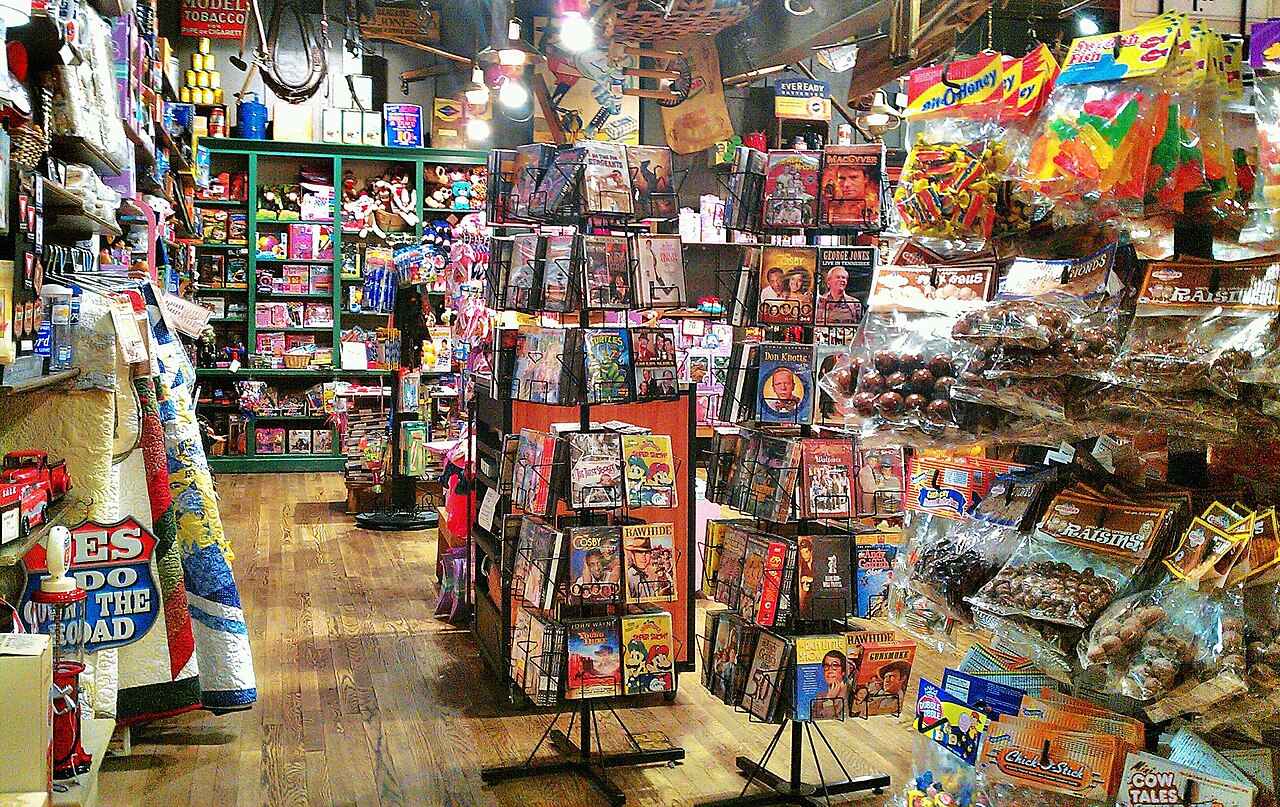
How did all this affect the company
Reputation and political narrative
The Cracker Barrel case became a symbol of the tension between modernizing an aging brand and not betraying the loyal base. Reputation consultants pointed to parallels with Bud Light and other rebrands that alienated their core audience (CNBC). Marketing experts agreed that the logo change itself was not absurd — the classic image is difficult to read on small screens — but the execution was “a disaster”: without prior narrative, without testing with loyal customers and with a rollout that seemed to erase the heritage rather than update it.
Financial results: partial recovery
Paradoxically, when Masino announced his departure, the company showed signs of operational improvement:
- On July 20, 2026 it raised the outlook for fiscal year 2026 (which closes on July 31): it expects to reach or exceed 3.3 billion dollars in revenue and more than 125 million in adjusted EBITDA (PR Newswire).
- Sold the secondary brand Maple Street Biscuit Co. and closed a sale-leaseback of 26 locations to reduce debt.
- In the current quarter, comparable restaurant sales remain -2.5% and retail just +0.5% —traffic has not fully returned.
Nation's Restaurant News headlined that Cracker Barrel's "comeback" "continues to gain momentum," but warns that the chain is still recovering from the "fallout logo" from last year. The stock market reacted cautiously to the CEO change: some analysts interpreted the move as a sign that the board wants a more conservative and operations-oriented profile.
Sardar Biglari's pressure
While the public controversy lasted, Sardar Biglari—an activist investor with a long history of clashes with Cracker Barrel—used the logo fiasco to call for Masino's head. In his eighth proxy fight in 15 years, he accused her of being an "arsonist-fireman manager": starting the fire and then putting it out. Shareholders backed it in November 2025, but accumulated attrition and image error left Masino in a fragile position.
Why it matters who arrives now
David Deno is neither a sector outsider nor a cultural icon: he is a restaurant executive with experience in finance, IPOs and global brands. His appointment suggests that the council wants to:
- Operational stability after the trauma of the rebrand.
- Profitable growth without new risky bets on visual identity.
- Calm shareholders before the close of the fiscal year and possible new battles with Biglari.
Deno's immediate challenge is not to design another logo: it is to recover traffic without angering the nostalgic base again. Cracker Barrel needs to attract younger diners—that was Masino's original goal—but it has learned at great cost that its current clientele interpret any visible change as a betrayal.
Conclusion: more than an X meme
Collin Rugg's post summarizes the popular narrative: Masino oversaw the removal of Uncle Herschel and the iconic tchotchkes, said the feedback was "overwhelmingly positive," and Now he's leaving a year later. This framing is simplified but not false in essence: the rebrand failed, the company retreated and the CEO pays the political and corporate price.
What the meme doesn't tell is the other half: Cracker Barrel did need changes (falling traffic, dark stores, illegible menus), Masino managed to improve operational metrics in 2026 and the board is now electing a CEO with a more traditional profile to consolidate that recovery without new storms. It wasn't just "woke" against "tradition": it was an expensive lesson in branding, communication and timing in an America where even a restaurant logo ends up on the president's Truth Social account.
Most read
What readers are engaging with right now.
- World
Cubans protest in Miami against Airlines Connections for alleged scam: they demand up to $20,000 in packages to Punta Cana
- Culture
Goose, the gay app that competes with Grindr, reaches the top 4 of Lifestyle in the App Store

- Culture
Harry Potter on HBO: complete guide to the series (not yet released and already renewed for T2), dates, cast and controversies
- World
Trump declares the ceasefire with Iran over, orders new attacks in Hormuz and demands cutting trade with Spain in NATO
- Culture
DUK App: Aly Sánchez launches her habits app "one day at a time" with a 63-day program

- Culture
I'm Edgy and Edgy Labs: From Nebraska's Walmart to a beef tallow cream brand that sells across the US.
- World
The FBI is investigating the AFA for alleged fraud and money laundering: about $300 million in sponsorships and operations in the US.
- World
El Cangrejo: profile of Raúl Guillermo Rodríguez Castro, Raúl Castro's grandson between GAESA, leaked luxuries and the first interview of 2026
- World
Cuban regime terrorist Ramiro Valdés Menéndez dies