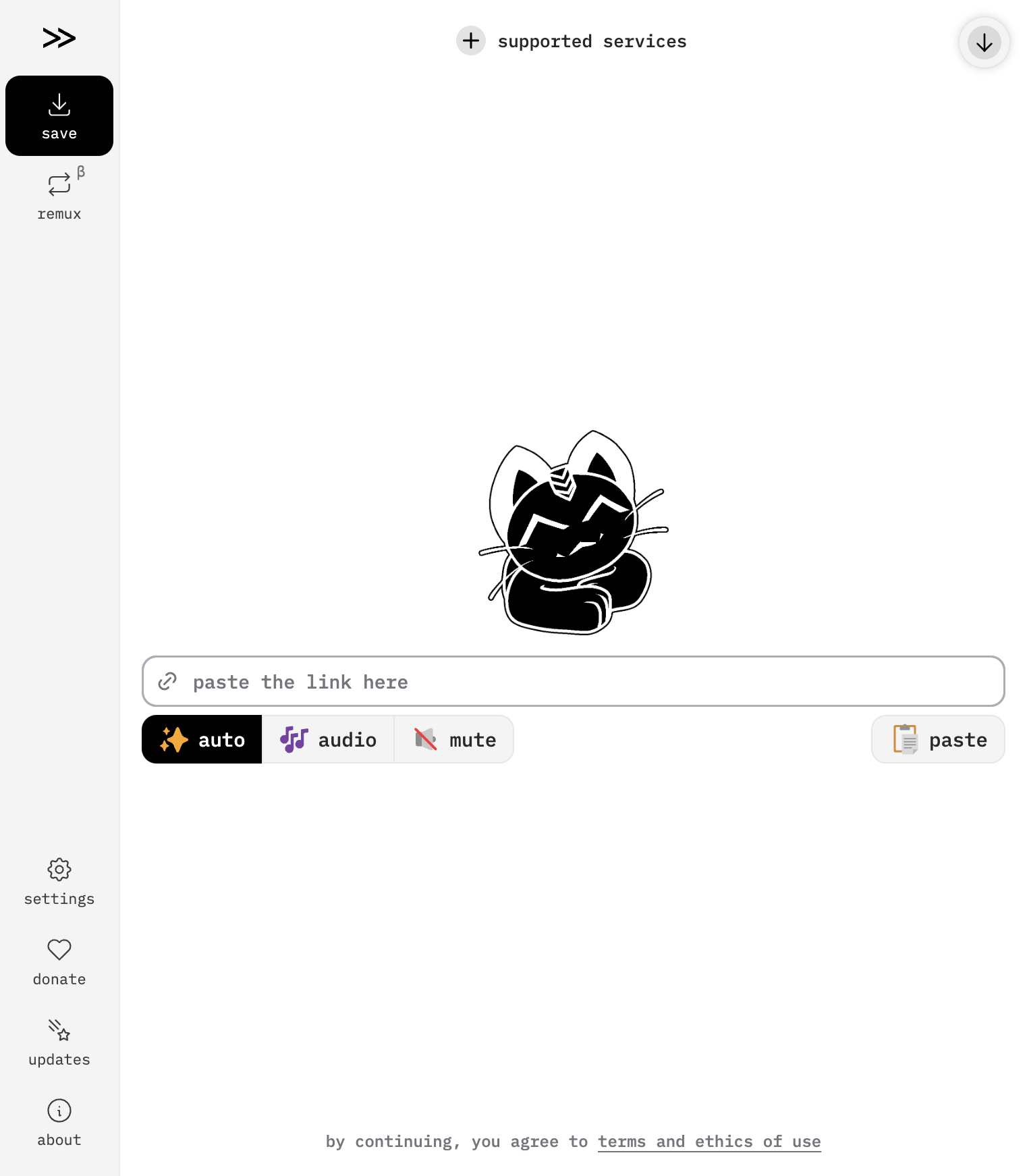
If you've ever searched for "download video from..." and ended up on a website full of pop-ups, fake buttons and trackers, cobalt opts for the opposite: a minimal interface, no registration and no ads. In cobalt.tools you copy a link, choose if you want full video, only audio or silent video, and the download starts. The project was born in 2022 within imput as a public benefit tool — "to protect people from ads and malware pushed by alternative downloaders", according to its page about— and today it has accumulated tens of thousands of stars on GitHub with open source under the AGPL-3.0 license.
Video: how to use cobalt.tools step by step
English tutorial showing the flow: paste link, choose format and download from public instance. Source: YouTube (unofficial)
How it works
Cobalt's home page is reduced to the essentials: a "paste the link here" field, three modes (auto, audio, mute) and a button to paste from the clipboard. Tabs for save, remux, settings, donations, changelog, and the about page appear in the sidebar. It doesn't ask for an account or install extensions: everything happens in the browser.
After you paste the URL, cobalt queries its API, resolves the resource, and returns a download link or processed stream. If remuxing or transcoding is needed, the app tries to do it on the user's device using local workers (fetch + ffmpeg in the browser). When the hardware or the browser does not allow it, the processing is passed to the server, but the computer insists that the processed file be transmitted to the client without being stored on the server's disk.
Privacy and ethics of use
On the about page, imput details its policy: anonymous requests to the backend, encryption of tunnel metadata, zero log policy and “forced tunneling” option so that not even the network provider sees the origin of the file — only the traffic to the cobalt instance. By continuing, the user accepts the terms and ethics of use linked in the footer of the website.
The repository's README is explicit: cobalt is not a hacking tool and can only obtain free, publicly accessible content — the same content that could be extracted with the development tools of a modern browser. Responsibility for use and distribution lies with the downloader. The public instance does not cache content; It works, in the team's words, like "a fancy proxy."
Recent news (v11.2)
The changelog posted at cobalt.tools/updates documents version 11.2 (June 30, 2025). Among the highlights:
- Local processing enabled by default for everyone, with optimizations in older browsers.
- Covers in audio files extracted from YouTube or SoundCloud, cropped to square when necessary.
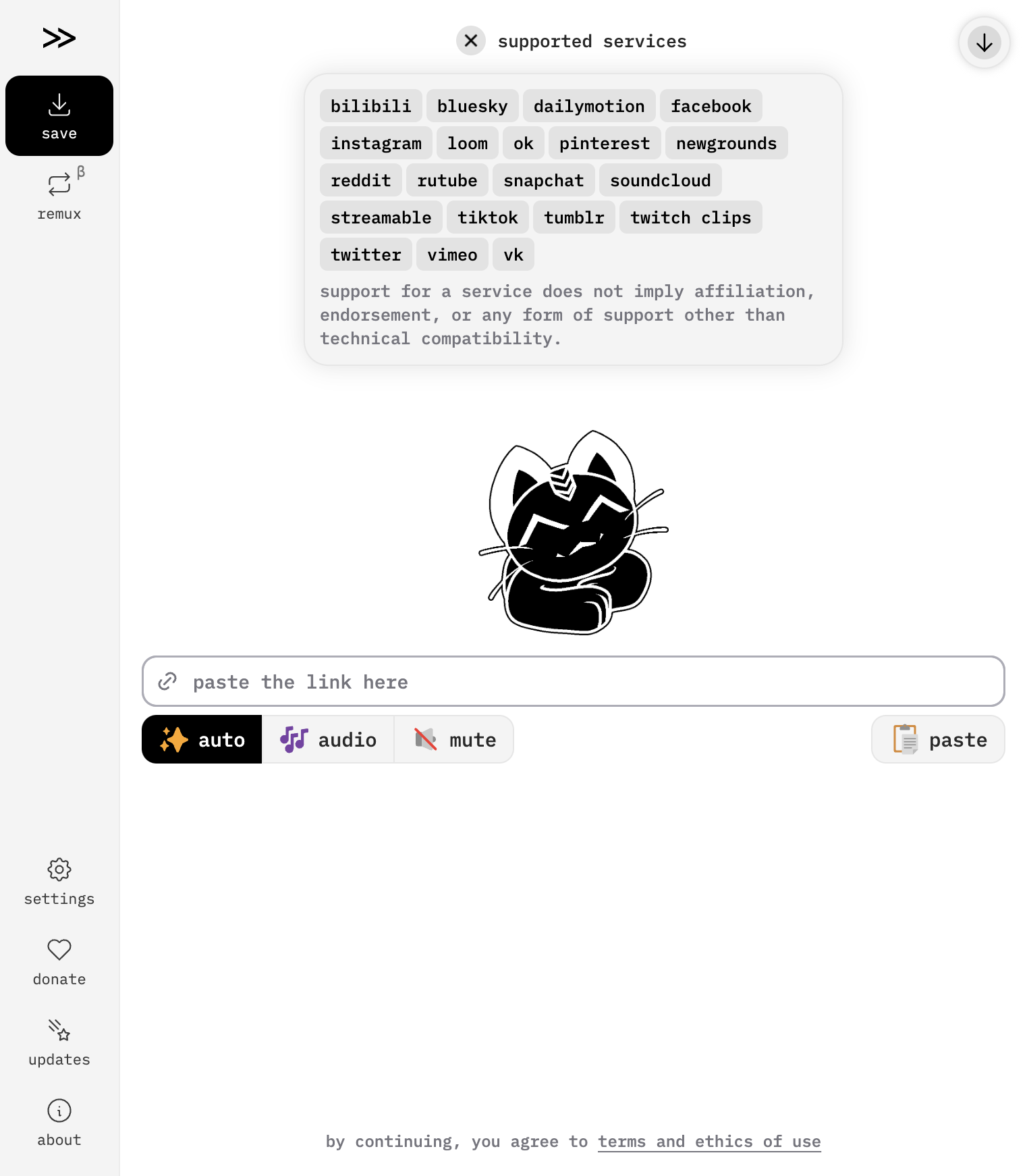
- Embedded subtitles in video for YouTube, Twitter/X, TikTok, Vimeo, Loom, VK Video and Rutube (language configurable in settings).
- Improvements to SoundCloud, Vimeo, TikTok, VK, Pinterest and YouTube short links.
On YouTube, the changelog itself is transparent: the download on the main instance was restored briefly and crashed again due to platform restrictions (SABR, potoken and network blocks). As of June 2026, the visible list of services supported on the public web does not include YouTube; the rest of the platforms remain operational. For YouTube, the documentation points to self-hosted community instances or running your own stack following run-an-instance.md.
Self-hosting and alternative instances
cobalt is source-first: the monorepo includes API, frontend, and shared packages, with guidelines for securing the instance and documented environment variables. Anyone can deploy their copy—Docker, Hugging Face Spaces, VPS—and add the domain in the website settings. The community maintains mirror instances when the main one limits a specific service; The team asks not to spam GitHub issues with repeated complaints and centralizes YouTube tracking in issue #1356.
For developers, the API accepts POST requests with JSON (url, videoQuality, audioFormat, etc.), which allows you to integrate cobalt into your own scripts or bots respecting the limits of each instance (SESSION_RATELIMIT / SESSION_RATELIMIT_MAX since v11.2).
Why it is still a reference in 2026
In an ecosystem of toxic downloaders, cobalt stands out for three verifiable reasons: clean interface without advertising funnels, radical transparency about logs and processing, and auditable code with an active community on Discord, X and Bluesky. It does not replace the legal criteria on copyright, but it does offer a technically honest alternative to archiving your own content or material with explicit permission —creators, educators and artists are the audience that the project cites in its about.
If you just need to save a TikTok clip, a SoundCloud topic, or a Reddit GIF without installing anything, cobalt.tools is still one of the most straightforward options. If you depend on YouTube at scale, it is advisable to assume the instability of the public instance and consider self-hosting or local tools—exactly the nuance that imput documents in its changelog, without selling smoke.
Most read
What readers are engaging with right now.
- Culture
Goose, the gay app that competes with Grindr, reaches the top 4 of Lifestyle in the App Store

- World
Cubans protest in Miami against Airlines Connections for alleged scam: they demand up to $20,000 in packages to Punta Cana

- World
Trump declares the ceasefire with Iran over, orders new attacks in Hormuz and demands cutting trade with Spain in NATO

- Culture
Harry Potter on HBO: complete guide to the series (not yet released and already renewed for T2), dates, cast and controversies

- Culture
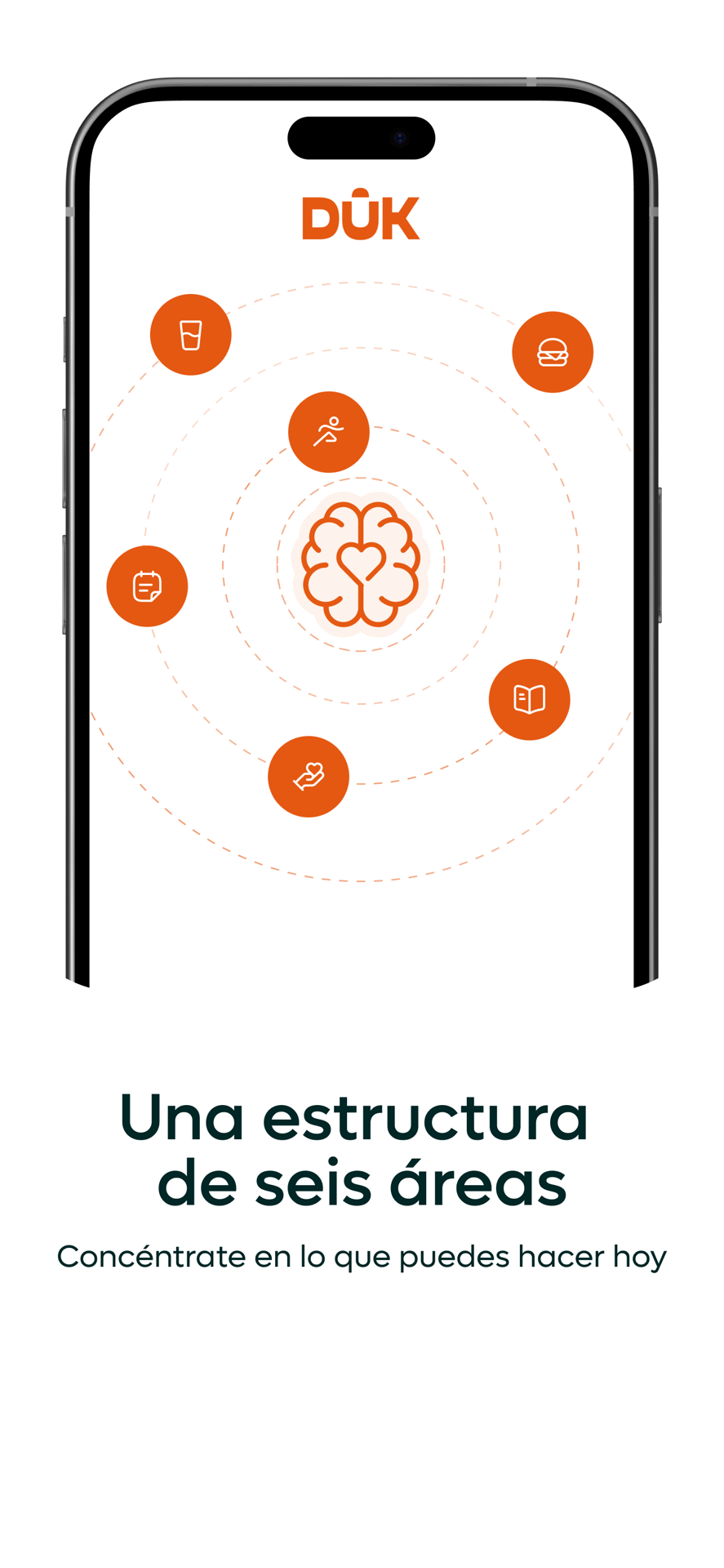
DUK App: Aly Sánchez launches her habits app "one day at a time" with a 63-day program
- Culture
I'm Edgy and Edgy Labs: From Nebraska's Walmart to a beef tallow cream brand that sells across the US.

- Culture
The Evening of the Year VI: all the winners, fights and performances of the Ibai night in Seville

- World
The FBI is investigating the AFA for alleged fraud and money laundering: about $300 million in sponsorships and operations in the US.

- World
El Cangrejo: profile of Raúl Guillermo Rodríguez Castro, Raúl Castro's grandson between GAESA, leaked luxuries and the first interview of 2026