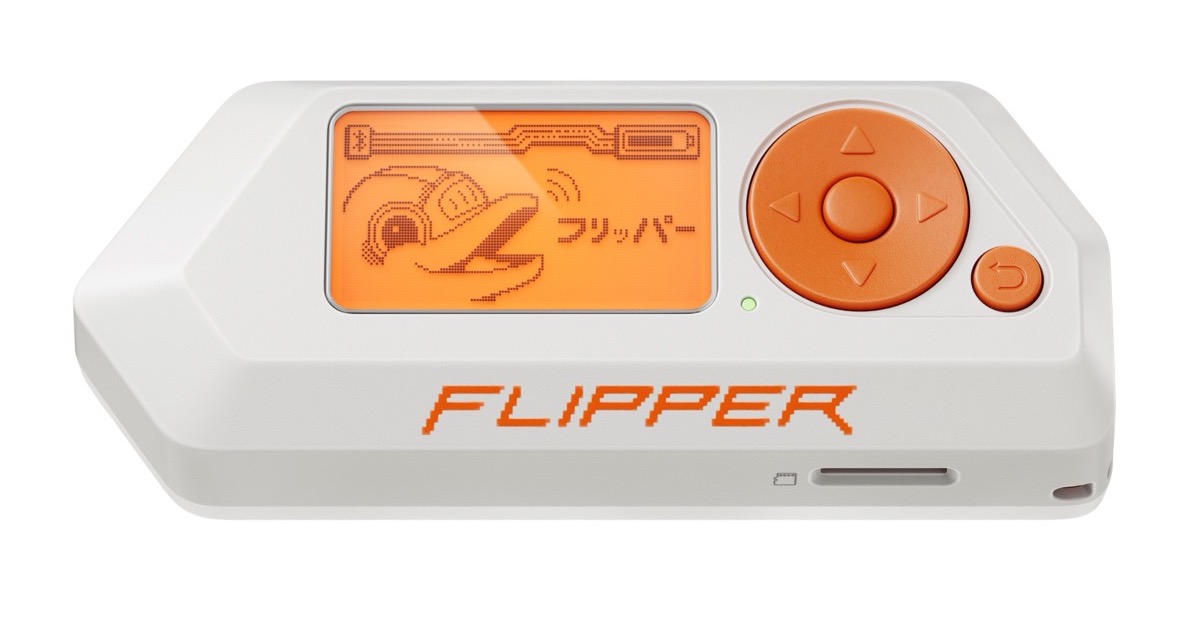
Before other "pocket gadgets" competed for the same maker audience, the Flipper Zero had already turned portable pentesting into a cultural phenomenon: a cybernetic dolphin with a toy shell capable of reading RFID cards, cloning remotes, scanning sub-GHz and interacting via GPIO. Flipper Devices describes it on flipper.net as an open source and customizable tool for “digital hacking stuff” — always within the framework of legitimate research and proprietary or authorized systems.
Video: first boot and update with qFlipper
Official tutorial from the Flipper Zero channel: insert microSD, install qFlipper and update firmware. Source: YouTube — Flipper Zero (official channel)
What makes it different
flipper.net's proposal is not a single function, but rather combining in a single autonomous device (5-button D-pad + screen) what previously required several readers and transmitters. Inspired by projects like Pwnagotchi, Flipper relies on a robust casing, physical buttons and menu without depending on the mobile phone — although it also connects via USB-C and Bluetooth LE with iOS/Android apps.
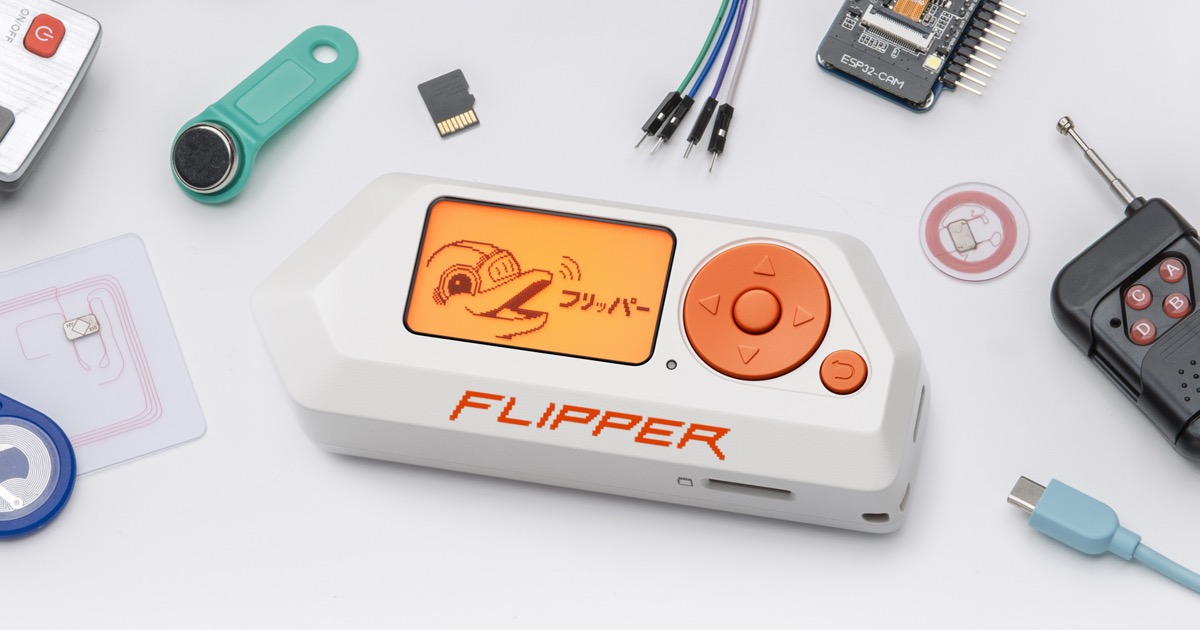
Hardware: radios, sensors and expansions
According to the specifications published on flipper.net:
- Sub-1 GHz: CC1101 transceiver with multi-band antenna; ranges 315/433/868/915 MHz depending on region; Declared range up to 50 meters for controls, barriers and IoT sensors.
- 125 kHz RFID: reading, cloning and emulation of LF proximity cards (EM410x, HID, Indala and others mentioned in the sheet).
- NFC 13.56 MHz: read/write/HF emulation — MIFARE Classic, FeliCa, iClass, etc.
- Infrared: TV/AC/projector control library; receiver to learn signals and share them with the community.
- iButton 1-Wire: integrated contact pad for Dallas and compatible keys.
- GPIO: 13 user pins in 2.54 mm connector; 3.3 V logic (5 V tolerant inputs); USB-UART/SPI/I2C converter; SPI Flash and AVR ISP programmer.
- Storage: microSD up to 256 GB (FAT12/16/32/exFAT) — essential for app firmware, signal bases and logs.
Accessories in store
The same flipper.net store lists official modules (USD prices, July 2026):
- WiFi Devboard — $35 (ESP32 for debugging and wireless projects)
- Video Game Module — 49 $
- Silicone Case — 15 $
- Screen Protectors — $7.50
- Prototyping Boards — 10 $
Software, community and responsible use
The firmware is open source (github.com/flipperdevices/flipperzero-firmware) and is updated with qFlipper from the computer. The documentation lives at docs.flipper.net; Forums, Discord, and community repositories expand apps and plugins.
Editorial Note: MARGENEZ covers Flipper Zero as a tech gadget and research tool. Emulating cards, opening other people's doors or interfering with systems without authorization may be illegal depending on the jurisdiction. This article does not constitute legal advice nor does it encourage unauthorized uses.
Is it worth it in 2026?
At $199, Flipper Zero remains the reference for the “multi-tool hacker” with a mature ecosystem — compared to more recent alternatives that rely on color screens and more powerful SoCs. If you are looking for NFC + sub-GHz + IR + GPIO in a single pocket with an active community and official store, the formula is still valid. If you prioritize AMOLED screen, double ESP32 and console-type app launcher, it is worth comparing with other maker gadgets of the moment; Flipper wins in history, documentation and accessories.
Remember to budget for a reliable microSD (2–32 GB recommended on the card) and, if you are interested in advanced Wi-Fi, the Devboard separately. For many users, the first step is still the official setup video and a firmware update before installing third-party apps.
Most read
What readers are engaging with right now.
- Culture
Goose, the gay app that competes with Grindr, reaches the top 4 of Lifestyle in the App Store

- World
Cubans protest in Miami against Airlines Connections for alleged scam: they demand up to $20,000 in packages to Punta Cana

- World
Trump declares the ceasefire with Iran over, orders new attacks in Hormuz and demands cutting trade with Spain in NATO

- Culture
Harry Potter on HBO: complete guide to the series (not yet released and already renewed for T2), dates, cast and controversies

- Culture
DUK App: Aly Sánchez launches her habits app "one day at a time" with a 63-day program
- Culture
I'm Edgy and Edgy Labs: From Nebraska's Walmart to a beef tallow cream brand that sells across the US.

- Culture
The Evening of the Year VI: all the winners, fights and performances of the Ibai night in Seville

- World
The FBI is investigating the AFA for alleged fraud and money laundering: about $300 million in sponsorships and operations in the US.

- World
El Cangrejo: profile of Raúl Guillermo Rodríguez Castro, Raúl Castro's grandson between GAESA, leaked luxuries and the first interview of 2026