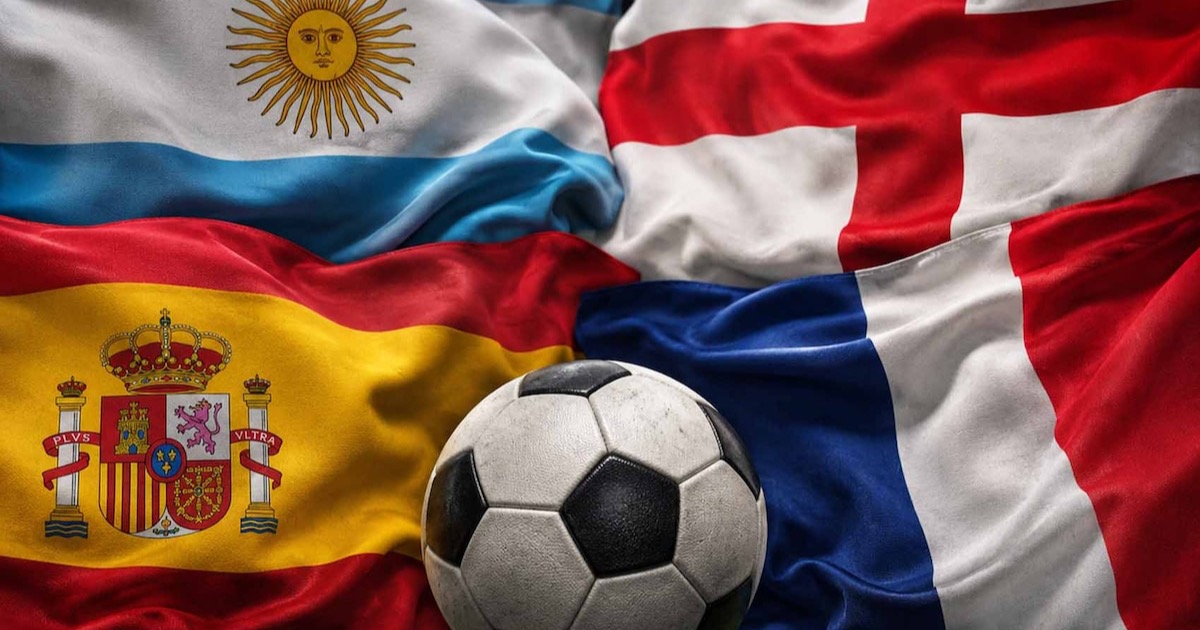
The World Cup 2026 already has semifinalists and left an unprecedented fact: for the first time in the history of World Cups held with FIFA ranking as a reference, the four best teams in the rankings at the beginning of the tournament reached the prelude to the final together. Spain, Argentina, France and England — numbers 1, 2, 3 and 4 in the November 2025 ranking — completed the table after a quarterfinal phase that left no surprises among the elite. The alert went viral on
«⚽️ | WORLD CUP 2026: The top four teams in the world rankings have reached the semifinals of the World Cup for the first time. FIFA introduced a new draw format for this tournament to ensure that the four seeds would not face each other until this stage, if they all won their groups.
A perfect top 4: what happened in the quarterfinals
The four quarterfinal matches confirmed the dominance of the powers. Argentina beat Switzerland 3-1 with a goal from Julián Álvarez in extra time; England beat Norway 2-1; Spain won 2-1 against Belgium; and France knocked out the surprise Morocco 2-0. None of the four seeds stumbled on the way to the semis.
Fox Sports México underlined the fact: since the creation of the ranking in 1993, no edition of the World Cup had brought together in the semifinals the four teams best placed in the current classification at the start of the tournament. Between the four of them they have accumulated seven world titles: Argentina (3), France (2), Spain and England (1 each).
The crossings: dates and venues
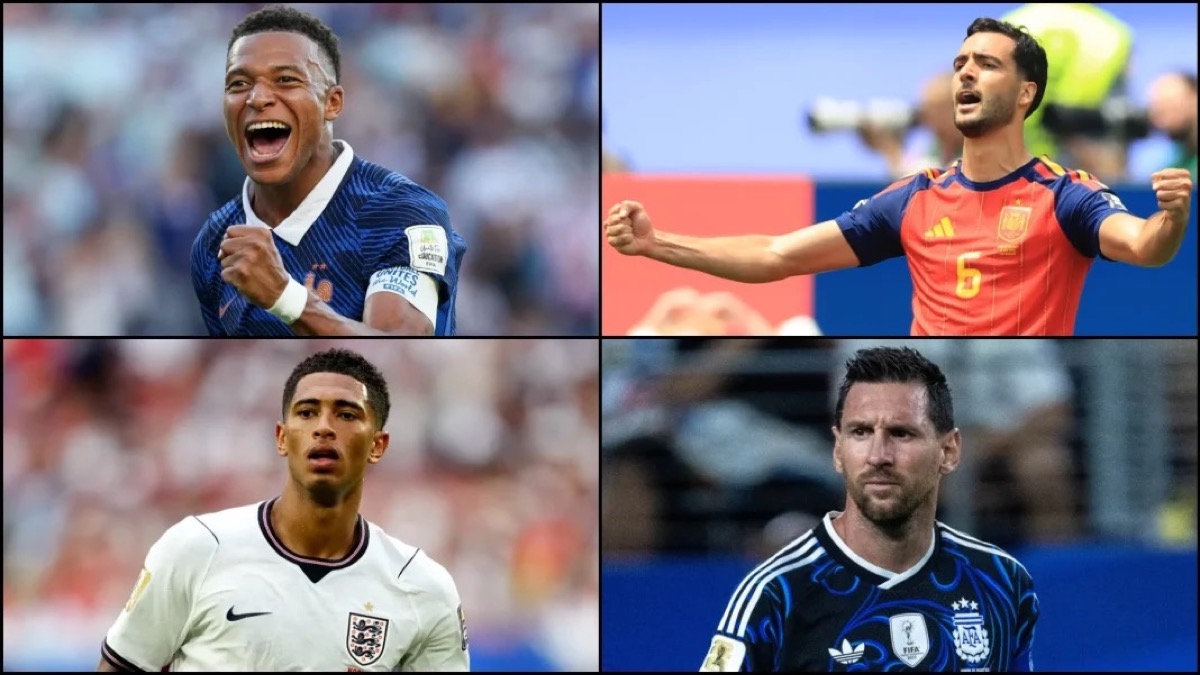
The draw offers two semi-finals of maximum tension, according to SPORT:
- France vs Spain — Tuesday July 14, 2026, 9:00 p.m. (Spanish peninsular time) · Dallas Stadium (Arlington, Texas), capacity ~80,000.
- England vs Argentina — Wednesday July 15, 2026, 9:00 p.m. (Spain) · Mercedes-Benz Stadium (Atlanta, Georgia), capacity ~71,000.
MARCA described it as “the best semifinals in history” on paper: four champions of the world, four first in the ranking and two duels that mix historical rivalry (England-Argentina) with a continental classic (France-Spain).
The "protected box": how FIFA designed it
Alerta News 24's message is not just statistics: it points to the new draw format that FIFA launched in this edition expanded to 48 teams. For the first time, the four best in the ranking received special treatment: when they were drawn, they were placed in different quadrants of the elimination bracket so that, if they all won their groups, they could not face each other until the semifinals — and Spain and Argentina, as well as France and England, would be in opposite halves of the bracket.
The BBC explained it before the tournament: Spain (1) and Argentina (2) had to fall on opposite paths and could not see each other until the final; France (3) and England (4), the same. The four could not cross each other until the semifinals either. ESPN added that it was the first time in World Cup history that the four highest seeds had that explicit protection in the box.
FIFA published the final draw procedures in December 2025, and the Wikipedia entry on the draw includes the formula: «in the interest of ensuring competitive balance», two separate paths to the semi-finals, with pairs 1-2 and 3-4 in opposite halves. All four won their groups; The design worked to the letter.
MARCA also recalled the “a posteriori” controversy of the group draw — when each ball did not go to a random group but to the next in alphabetical order, and Argentina jumped in position due to its ranking - but he stressed that there was no conspiracy: it was the logic of the protected table.
Video: France 2-0 Morocco — quarterfinal summary
Les Bleus sealed their place in the semi-finals with authority against Morocco. Source: YouTube / FIFA
Historical context and the “curse” of number one
It is not the first time that the four best in the ranking coincide in the same tournament: MARCA remember that in South Africa 2010 Spain, Holland, Brazil and Portugal occupied those places, but then they crossed paths first — the Netherlands eliminated Brazil in the quarterfinals. That all four reach the semifinals simultaneously is unprecedented.
Another narrative fact: Argentina started the tournament as number one in the ranking and bore the so-called "curse" — no team that began the World Cup as the leader of the FIFA rankings has ended up lifting the Cup. MARCA mentions it as a backdrop for Messi and Scaloni in Atlanta.
Only on two previous occasions did four world champions meet in the semifinals: Mexico 1970 (Brazil, Uruguay, Italy, Germany) and Italy 1990 (Italy, Argentina, Germany, England). In 2026, a third will be added with France, Spain, England and Argentina.
What it means for the rest of the tournament
The scenario guarantees that the 2026 champion will leave the top 4 that FIFA considered the favorite before the first whistle. Two of the four will fall in the semifinals; The other two will play a final between teams at the highest level of the ranking. For the viewer, it is the most "logical" closure that international football has offered in decades — although logic is not always fulfilled in a World Cup, here the protected box and on-field performance converged.
Most read
What readers are engaging with right now.
- Culture
Goose, the gay app that competes with Grindr, reaches the top 4 of Lifestyle in the App Store

- World
Cubans protest in Miami against Airlines Connections for alleged scam: they demand up to $20,000 in packages to Punta Cana

- World
Trump declares the ceasefire with Iran over, orders new attacks in Hormuz and demands cutting trade with Spain in NATO
- Culture
Harry Potter on HBO: complete guide to the series (not yet released and already renewed for T2), dates, cast and controversies

- Culture
DUK App: Aly Sánchez launches her habits app "one day at a time" with a 63-day program
- Culture
I'm Edgy and Edgy Labs: From Nebraska's Walmart to a beef tallow cream brand that sells across the US.

- Culture
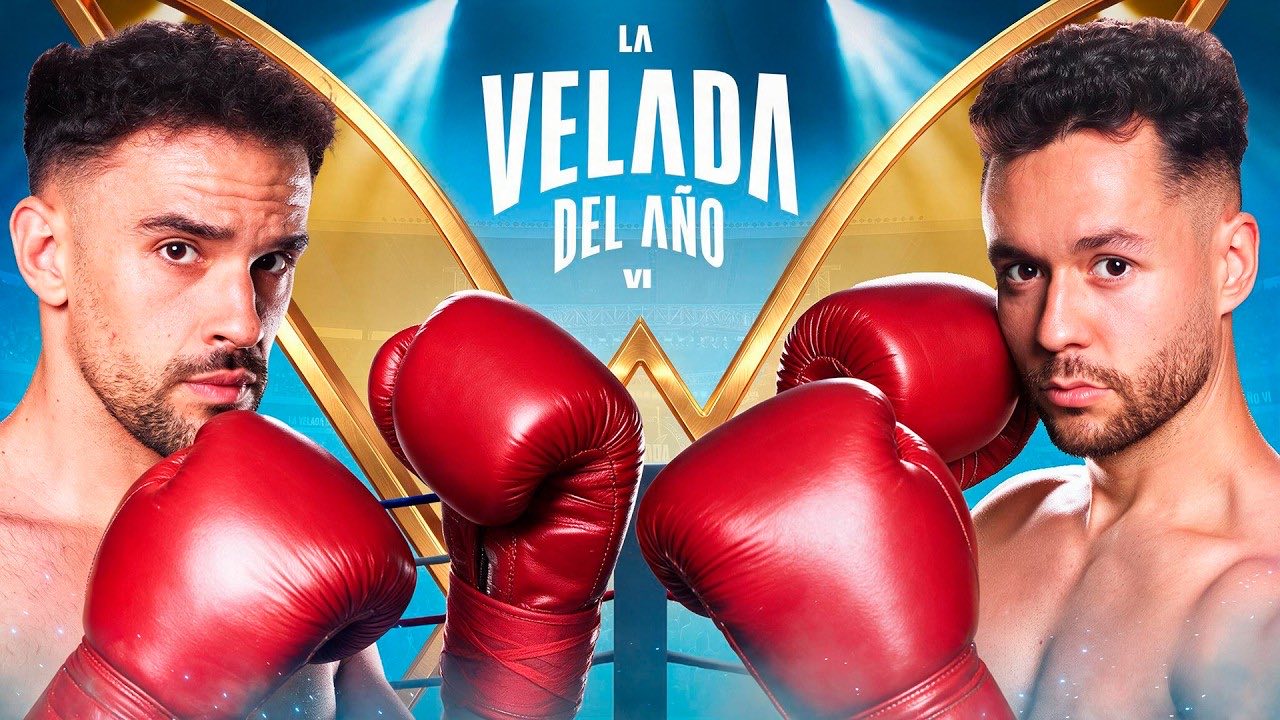
The Evening of the Year VI: all the winners, fights and performances of the Ibai night in Seville
- World
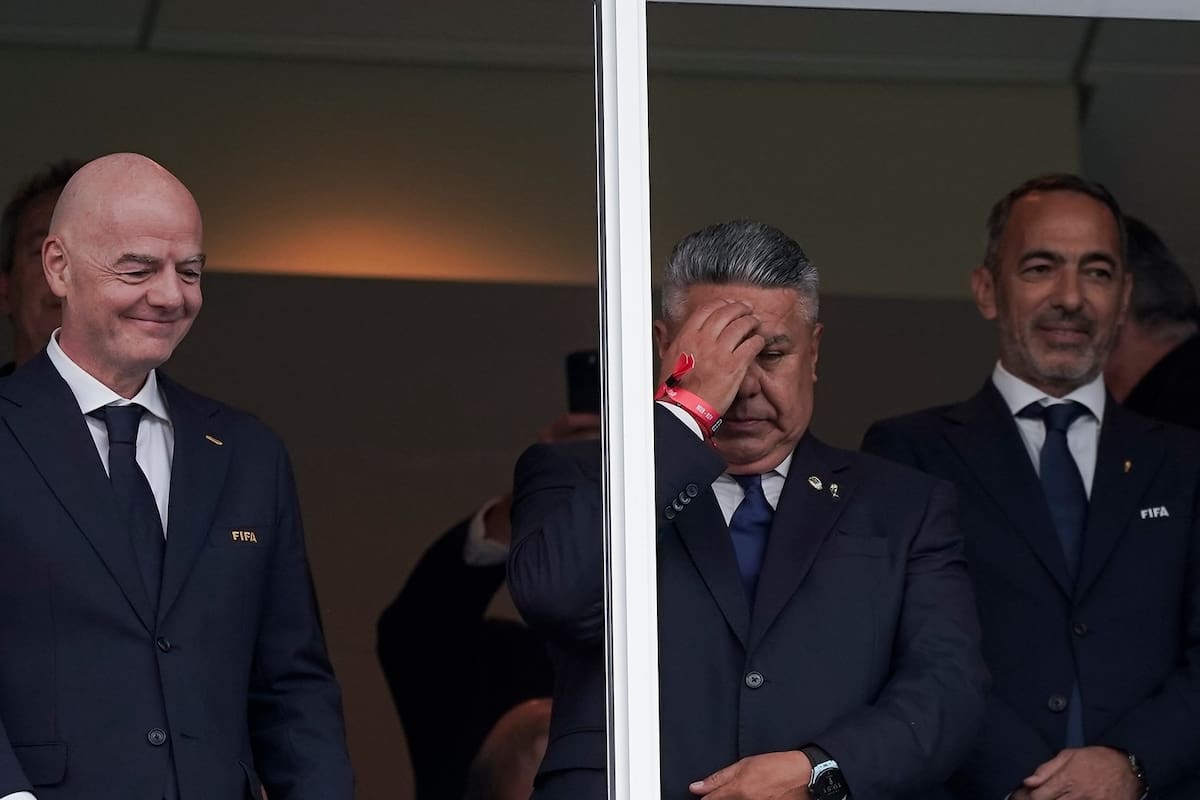
The FBI is investigating the AFA for alleged fraud and money laundering: about $300 million in sponsorships and operations in the US.
- World
El Cangrejo: profile of Raúl Guillermo Rodríguez Castro, Raúl Castro's grandson between GAESA, leaked luxuries and the first interview of 2026