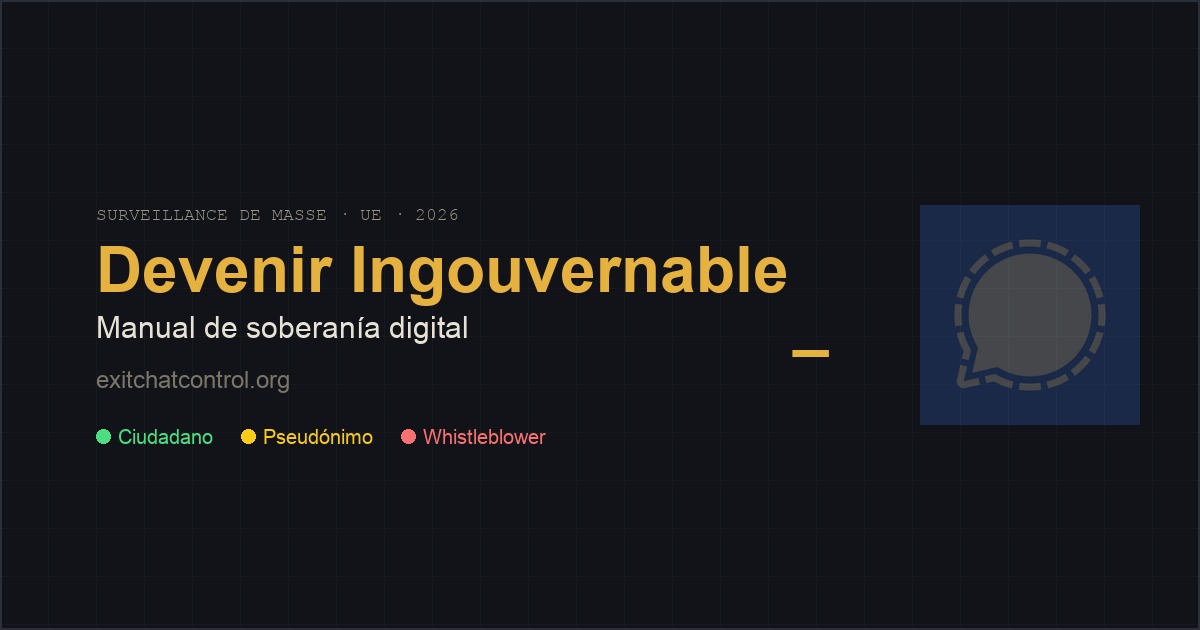
Following the vote of the European Parliament on July 9 that extended Chat Control 1.0, a practical resource appeared on the internet: exitchatcontrol.org, titled «Devenir Ingouvernable» (Become Ungovernable). It is not a means of communication: it is a bilingual field manual that explains the threat of message scanning and proposes concrete alternatives — from Signal to Tor — depending on your level of risk.
What problem does it address
The site breaks down two European texts under the "Chat Control" moniker:
- Chat Control 1.0 — Regulation (EU) 2021/1232: temporary derogation allowing voluntary CSAM scanning in non-core services encrypted (Gmail, Messenger, Snapchat, iCloud...). Extended until 2028.
- Chat Control 2.0 (CSAR) — Permanent proposal that could impose mandatory scanning, even in end-to-end encrypted messaging, using “scan côté client” (inspection on the device before encryption).
The guide insists on a key technical point cited by Signal: against scanning on the client, neither a VPN nor E2EE is enough if the app or the operating system cooperate. The real defense is free software that refuses to implement scanning, favorable jurisdictions and self-hosting.

What to delete and what to adopt
The “À supprimer / À adopter” block summarizes the “great digital replacement” that the manual proposes:
| Avoid | Suggested alternatives |
|---|---|
| WhatsApp, Messenger, Instagram, Gmail, Outlook, Google Drive, TikTok | Signal, SimpleX, Session, Proton Mail, Tuta, Proton Drive |
| Chrome + Google Search | Firefox (hardened), Mullvad Browser, uBlock Origin, DuckDuckGo / SearXNG |
| “Free” or ad-based VPN | Mullvad, Proton VPN, IVPN (anonymous cash or crypto payment) |
Three profiles, three levels deep
The manual avoids maximalism: there is no need to install ten apps on the first day. Proposes routes according to profile:
- 🟢 Citizen — Everyday privacy: Signal for the family, email on Proton, passwords on Bitwarden/KeePassXC, ad blocker.
- 🟡 Pseudonym — Militant or informative accounts: SimpleX/Session (without phone number), VPN without email, Mastodon/Nostr, separation of identities.
- 🔴 Whistleblower — Tor/Tails, GrapheneOS, Monero, SecureDrop, OPSEC discipline; refer to EFF Surveillance Self-Defense and Privacy Guides.
Video: context of the Chat Control vote in the European Parliament
The guide was published on the same day that Parliament let the Chat Control 1.0 extension pass. Source: EU Parliament Vote On Chat Control (YouTube)
Migration plan in two weeks
The “Passer à l'action” section proposes a realistic calendar:
- Week 1 🟢: Install Signal and invite close contacts. Migrate email to Proton or Tuta. Configure password manager and uBlock Origin.
- Week 2 🟡: Move files to the encrypted cloud, replace Chrome/Google, hire a VPN, open a Mastodon account.
- After 🔴: According to profile — GrapheneOS, Tor, Nextcloud self-hosting, OPSEC routine.
The site's final manifesto sums it up like this: «Chiffrer, c'est voter. S'auto-héberger, c'est désobéir. Reprendre ses tools, c'est devenir ingouvernable.» — to encrypt is to vote; to self-host is to disobey; to take back your tools is to become ungovernable.
Technique + politics
The guide does not replace legal mobilization: it links Fight Chat Control, EDRi and the work of Patrick Breyer, the MEP who documented the July 9 vote (314 against, 276 for, threshold of 361 not reached). Also remember that Google, Meta, Microsoft, TikTok and Snapchat signed a call in March to keep scanning “voluntary.”
If you're looking for a clear starting point after the Chat Control news, exitchatcontrol.org acts as a map: what's at stake, which apps to change first, and how far to go without turning privacy into a second job.
Most read
What readers are engaging with right now.
- Culture
Goose, the gay app that competes with Grindr, reaches the top 4 of Lifestyle in the App Store
- World
Cubans protest in Miami against Airlines Connections for alleged scam: they demand up to $20,000 in packages to Punta Cana

- World
Trump declares the ceasefire with Iran over, orders new attacks in Hormuz and demands cutting trade with Spain in NATO

- Culture
Harry Potter on HBO: complete guide to the series (not yet released and already renewed for T2), dates, cast and controversies

- Culture
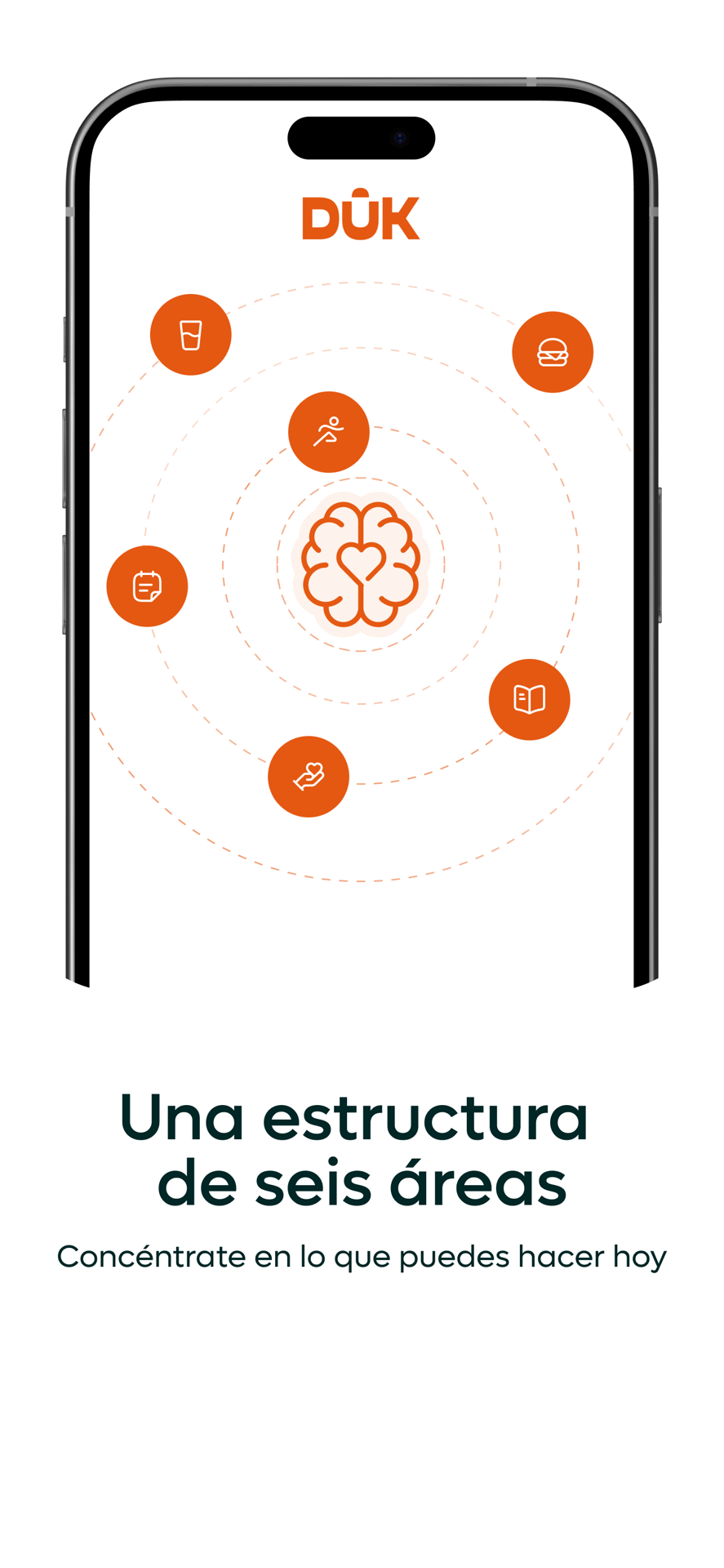
DUK App: Aly Sánchez launches her habits app "one day at a time" with a 63-day program
- Culture
I'm Edgy and Edgy Labs: From Nebraska's Walmart to a beef tallow cream brand that sells across the US.

- Culture
The Evening of the Year VI: all the winners, fights and performances of the Ibai night in Seville

- World
The FBI is investigating the AFA for alleged fraud and money laundering: about $300 million in sponsorships and operations in the US.

- World
El Cangrejo: profile of Raúl Guillermo Rodríguez Castro, Raúl Castro's grandson between GAESA, leaked luxuries and the first interview of 2026