Cuba's single parliament approved this Thursday, June 18, a package of 176 economic and social transformations that represent the deepest pro-market turn since the 1959 revolution. More than 400 deputies of the National Assembly of People's Power (ANPP) voted by show of hands and unanimously for the measures presented hours before by Prime Minister Manuel Marrero Cruz, in an extraordinary session held at the Convention Palace of La Havana.
The procedure followed the usual script of the single-party system: surprise announcement by President Miguel Díaz-Canel on June 12, endorsement by the Central Committee of the Communist Party on June 17 — with the participation by videoconference of Raúl Castro, 94 — and parliamentary ratification the next day. There was no opposition, amendments or popular consultation. The full text of the measures has not been made public; What is known comes from official speeches and coverage by agencies such as AFP/France 24 and RTVE.
What was prohibited is now "the solution"
The package, baptized as the "Economic and Social Program for 2026", opens up sectors that for decades were closed to private capital. Among the most significant measures are the authorization of private banking under the supervision of the Central Bank, the creation of private exchange houses, a real-time digital exchange market and a currency auction system to combat the distortion of the Cuban peso.
State companies may be transformed into commercial companies through shares or participation, with the possibility of private capital – national or foreign – entering sectors until now reserved for the State. Private companies will be able to exceed the ceiling of 100 employees, Cubans will be able to own more than one business and direct salary negotiation will be allowed within companies. Agriculture, tourism, foreign trade and the real estate sector are open to new actors under "new modalities," according to Marrero.
«The essence of the transformations is around expanding the role of the private sector in the Cuban economy. We're not talking about makeup changes."
The blow to the ration book
One of the most sensitive measures for the population is the progressive elimination of universal subsidies. The subsidized basic basket—the famous ration book—will be concentrated on retirees and people in vulnerable situations. The rest of the products and services will be governed by market prices, with targeted aid instead of generalized subsidies.
For millions of Cubans who already face endless lines, uncontrolled inflation and salaries that are not enough, this means an even higher cost of living in a country where the average salary is around 4,000 pesos per month —less than 10 dollars at the informal exchange rate. The regime also contemplates the introduction of VAT, a tax that until now was not part of the Cuban fiscal scheme, according to CiberCuba.
23 axes, from AI to social control
Marrero grouped the proposals into 23 fundamental axes that range from the management model of economic actors and municipal autonomy to banking modernization, foreign investment, pricing policy, the energy system and digital transformation. They also include references to artificial intelligence, the knowledge economy and control and inspection mechanisms, according to the minute by minute Cubadebate.
The prime minister explained that 390 proposals were received during the preparation process, of which 66.7% were accepted. The Political Bureau incorporated 69 additional recommendations to the final document. Marrero also announced the creation of a working group to manage the impact of the reforms on the country's legal system.
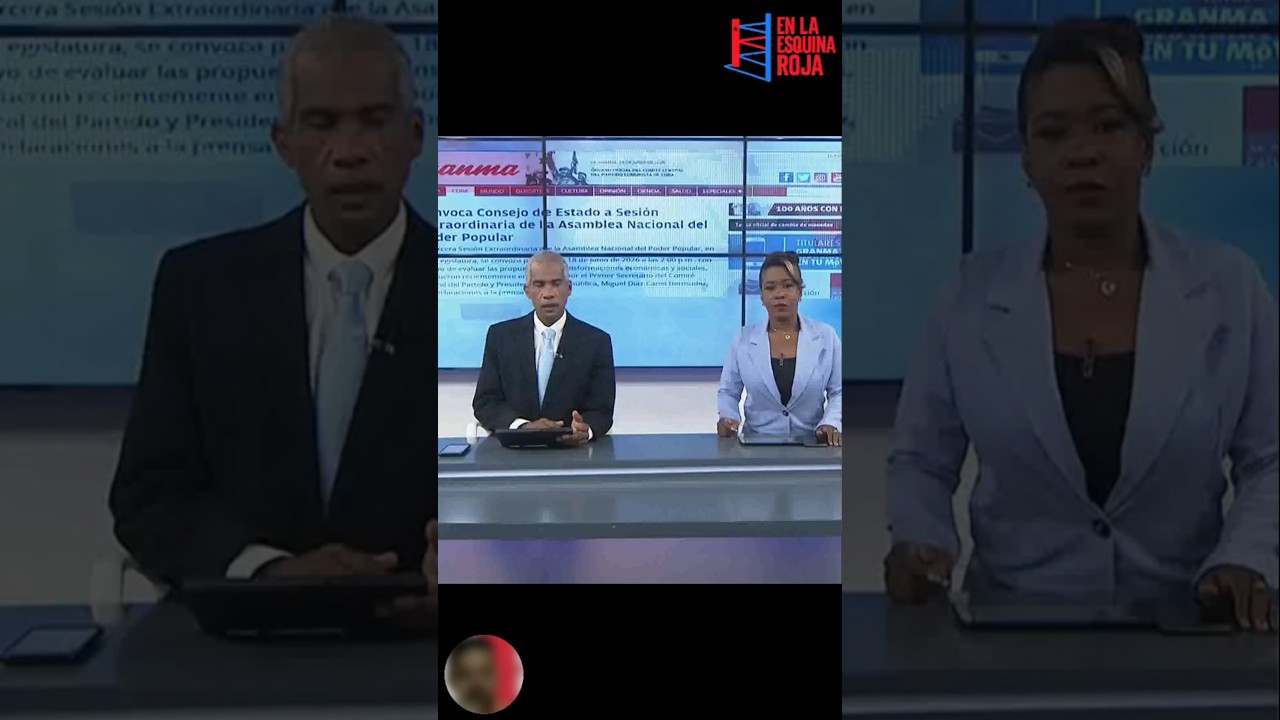
Video: Call for the extraordinary session
Official statement from the Council of State calling for the third extraordinary session of the ANPP for June 18, 2026.
«Sovereign decisions» in the midst of economic asphyxiation
Díaz-Canel closed the session denying that the reforms respond to pressure from the United States. "We are not doing it because of pressure from the Yankees, we are doing it in a sovereign manner," he declared before the deputies. He described the energy blockade and recent sanctions as a “barbaric, undeserved and unbearable punishment.”
The chronology, however, is eloquent. The June 12 announcement came as Washington intensified its maximum pressure policy: oil blockade since February, sanctions on CUPET, withdrawal of Visa and Mastercard, ultimatums to foreign companies and threats from Vice President JD Vance about possible military intervention after the agreement with Iran. Cuba has not received enough oil for almost five months; Blackouts are daily and shortages of water, food and medicine have worsened.
«They are transformations to rectify, but always in defense of socialism.»
Economist Daniel Torralbas, consulted by AFP, described the package as "the deepest economic reform program in 70 years" since the revolutionary victory. But he warned that, without an implementation schedule or political reform - the PCC remains the only legal party - the measures could remain a dead letter, as happened with reforms announced in the past that were never implemented. Díaz-Canel acknowledged it before the Central Committee: "they are not new ideas" and not applying them sooner was a "mistake."
Reform or survival of the regime?
For the government, opening the economy is the only way to generate wealth and sustain social programs. "If we do not have wealth, it is very difficult to advance inequalities and vulnerabilities," argued Díaz-Canel in his appearance on June 12. Marrero, for his part, framed the measures as an “indispensable condition for the preservation of socialism,” not as a renunciation of it.
On the street, the reaction is one of skepticism. More than 10,000 private companies—authorized since 2021 with a limit of 100 workers—already employ a third of the active population, but operate under a precarious legal framework, without access to foreign currency or direct imports. The new measures promise to unlock these limitations, but Cubans have learned to distrust announcements that do not translate into tangible improvements in their daily lives.
What is clear is that the regime—a state that maintains absolute control of political power, represses dissent, and subjects its population to unbearable living conditions—has decided that economic survival requires doing exactly what it denounced as capitalism for 67 years: private banks, joint-stock companies, a foreign exchange market, and an end to the subsidies that sustained the revolutionary promise of equity. The National Assembly approved it yesterday, as always, by raising its hand without asking the people.
Díaz-Canel announces the reform
Appearance on June 12 in which Díaz-Canel advanced the transformations without offering details.
Cubans abroad as investors
Measures that allow Cubans abroad to own private companies on the island.
Most read
What readers are engaging with right now.
- Culture
Goose, the gay app that competes with Grindr, reaches the top 4 of Lifestyle in the App Store

- World
Cubans protest in Miami against Airlines Connections for alleged scam: they demand up to $20,000 in packages to Punta Cana

- World
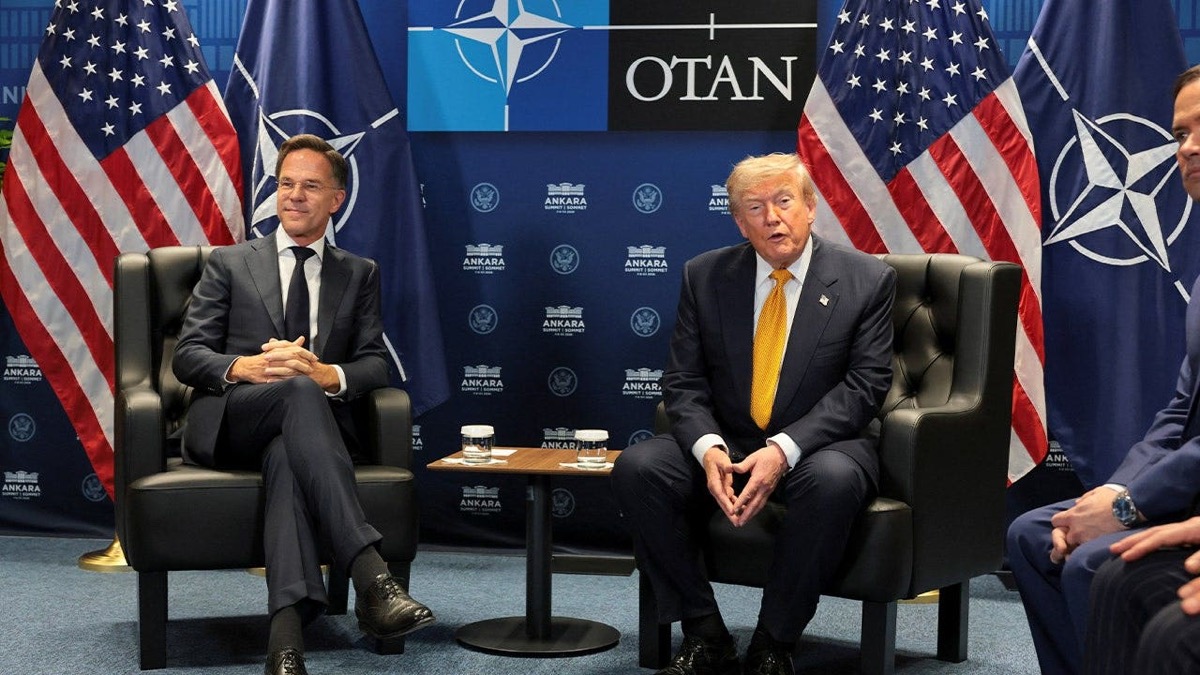
Trump declares the ceasefire with Iran over, orders new attacks in Hormuz and demands cutting trade with Spain in NATO
- Culture
Harry Potter on HBO: complete guide to the series (not yet released and already renewed for T2), dates, cast and controversies

- Culture
DUK App: Aly Sánchez launches her habits app "one day at a time" with a 63-day program
- Culture
I'm Edgy and Edgy Labs: From Nebraska's Walmart to a beef tallow cream brand that sells across the US.

- Culture
The Evening of the Year VI: all the winners, fights and performances of the Ibai night in Seville

- World
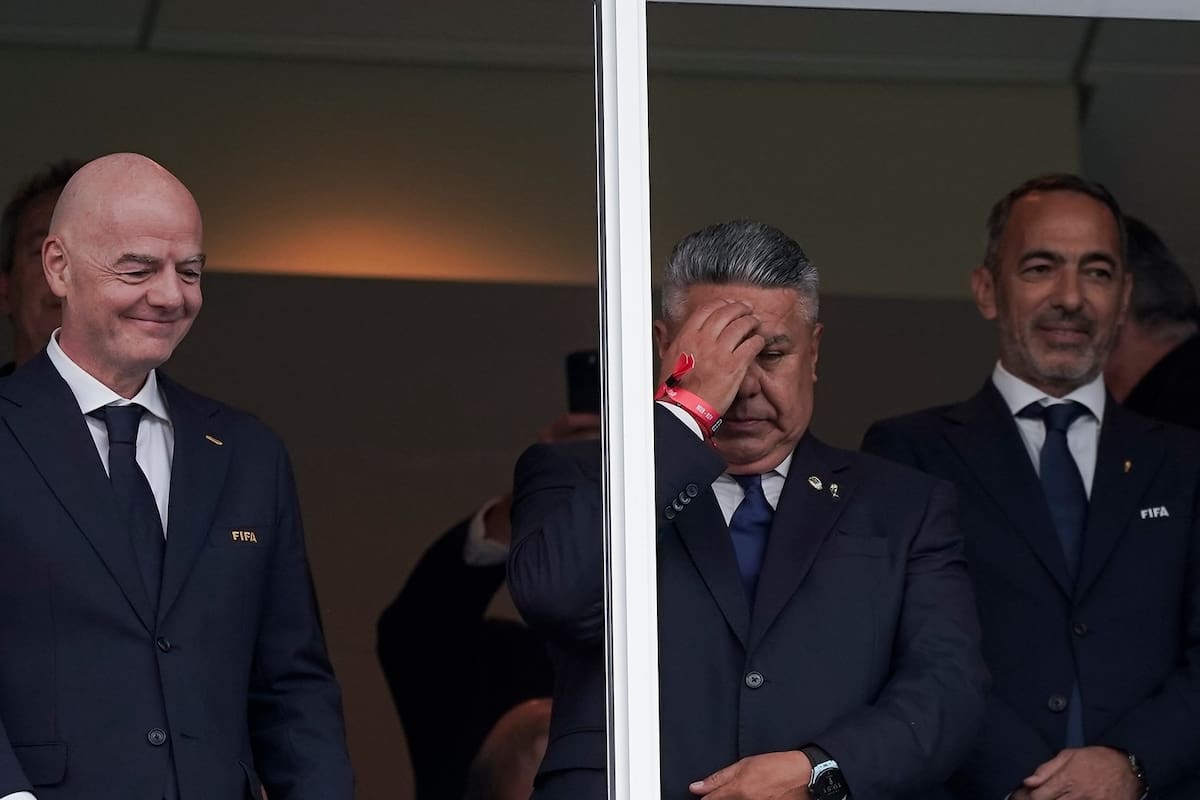
The FBI is investigating the AFA for alleged fraud and money laundering: about $300 million in sponsorships and operations in the US.
- World
El Cangrejo: profile of Raúl Guillermo Rodríguez Castro, Raúl Castro's grandson between GAESA, leaked luxuries and the first interview of 2026