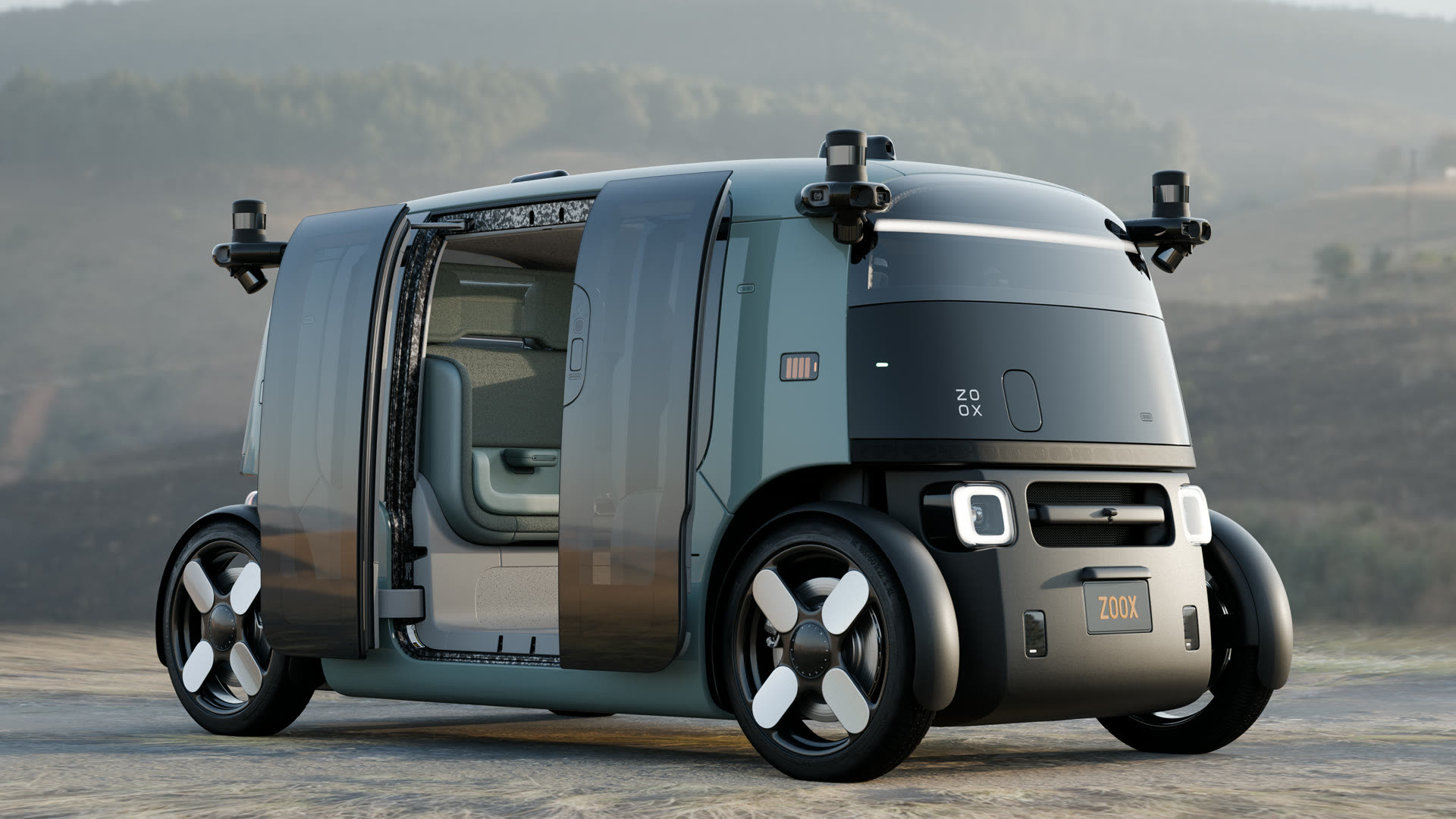
Zoox, the autonomous vehicle startup owned by Amazon, presented on June 24, 2026 the “next evolution” of its robotaxi in a post on @zoox en X accompanied by a promotional video. The company defines the model as its production intent vehicle and announces the move to large-scale production at its plant in Hayward, California, with the capacity to manufacture up to 100 units per week, subject to regulatory approval.
The announcement comes after years of testing, early deployments and feedback from more than half a million passengers, according to Zoox. In the Zoox Journal statement, the firm emphasizes that its focus since 2014 has been to build a robot taxi from scratch—without driving controls—with a symmetrical cabin and carriage-style seats, oriented toward the passenger and not the driver.
Promotional video: the new evolution of the Zoox robotaxi
“Introducing the next evolution of the Zoox robotaxi” — refined with testing, early deployments and feedback from more than 500,000 passengers. Zoox announces more features, more comfort and large-scale production. Source: @zoox — X (Jun 24, 2026)
Interior: calmer and fewer distractions
Zoox maintains the face-to-face seating arrangement that distinguishes its experience, but updates the color, material and finish (CMF) palette. Passengers will see monochrome aloe green seats and stone gray floor and trim, with a simpler tonal scheme designed to reduce visual stimuli and promote relaxation during the journey.
According to Chris Stoffel, director of industrial design and studio engineering at Zoox, quoted in the official journal: «The simplicity of the elevated interior design does not demand a rider's attention like so many of the features found in today's passenger cars. Instead, riders can relax and enjoy the space as they are transported throughout the city.»
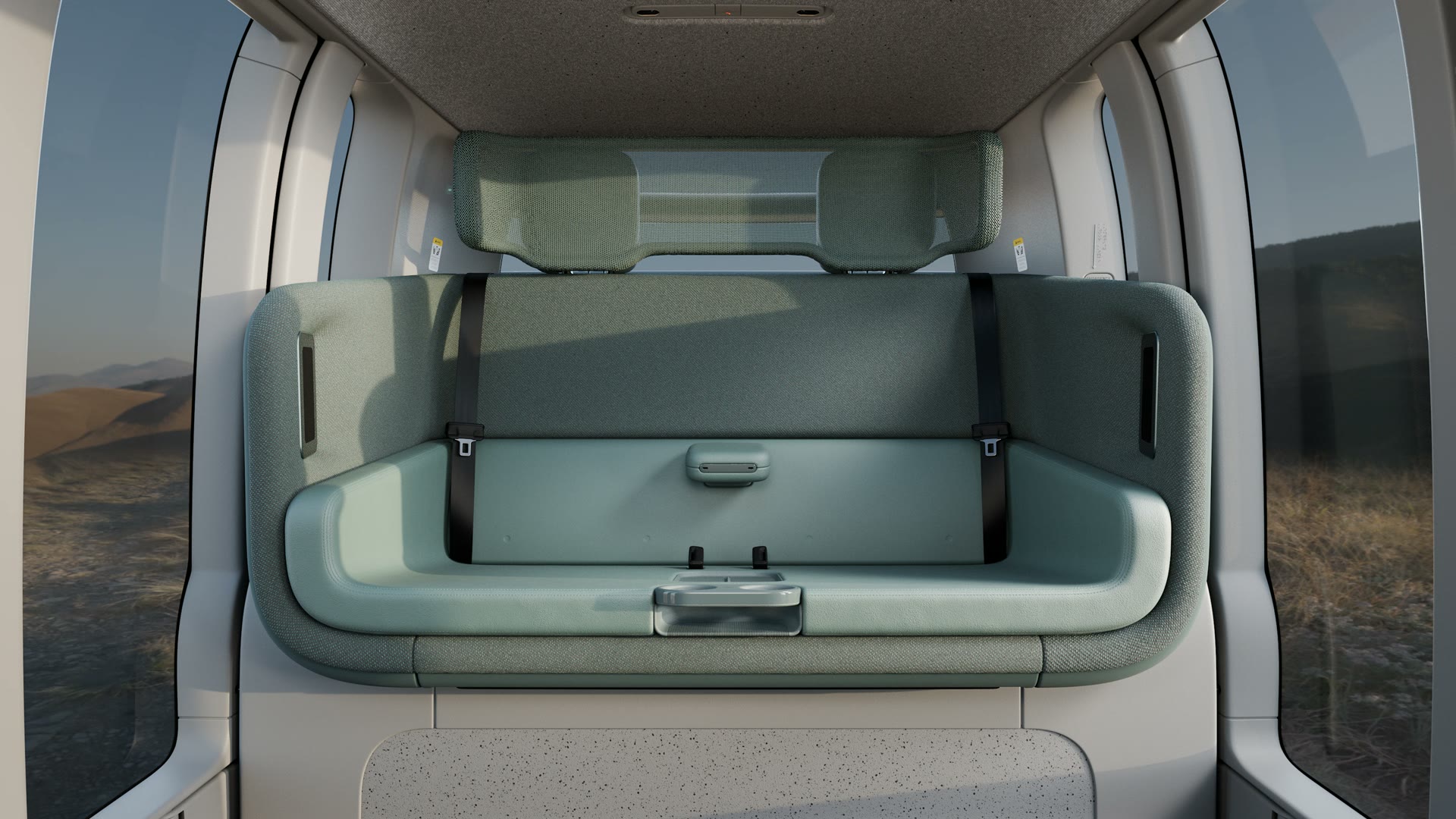
Other interior improvements include more padding and ergonomic curves in seats and headrests (following feedback from early passengers), a more vivid touchscreen, slots in the wireless charging pad for greater stability and larger cupholders. The floor and cup holders also aim to make it easier to locate bags and phones and better resist urban wear and tear.
Outdoor: clearer communication
At first glance, the robotaxi looks similar to the previous model—the compact, bidirectional silhouette remains its hallmark—but Zoox details refinements designed for interaction with passengers and other road users. The bi-directional reflectors that change color to distinguish front and rear have been relocated and improved for greater visibility.
In the doors it adds a new speaker and microphone with two-way audio capabilities, designed for clearer communication between Zoox support, passengers, other drivers and first responders.
Production in Hayward and expansion
This robotaxi is the basis for scaling the autonomous ride-hailing service. Zoox indicates that the units manufactured in Hayward will be integrated into the fleet of its markets and will be available for passengers throughout 2026, as they come off the line. The company operates or tests in cities such as Las Vegas, San Francisco, Austin, Miami, Atlanta and Los Angeles.
CNBC places the announcement in an expansion context: Zoox prepares to charge for trips later in 2026 and competes with Waymo, current leader of the robotaxi in the US. Amazon acquired Zoox for about 1.3 billion dollars in 2020, according to the same medium.
«This latest Zoox robotaxi represents more than just the next evolution of our vehicle; it's the foundation for bringing autonomous ride-hailing to more riders at a greater scale." — Zoox Journal
In summary
What did Zoox announce? The production version of its robotaxi, with refined interior and exterior. When? June 24, 2026, with video at X and details in the official journal. Where is it manufactured? In Hayward, California, up to 100 vehicles per week. For whom? Passengers in markets where Zoox already operates or expands its autonomous fleet.
Most read
What readers are engaging with right now.
- Culture
Goose, the gay app that competes with Grindr, reaches the top 4 of Lifestyle in the App Store

- World
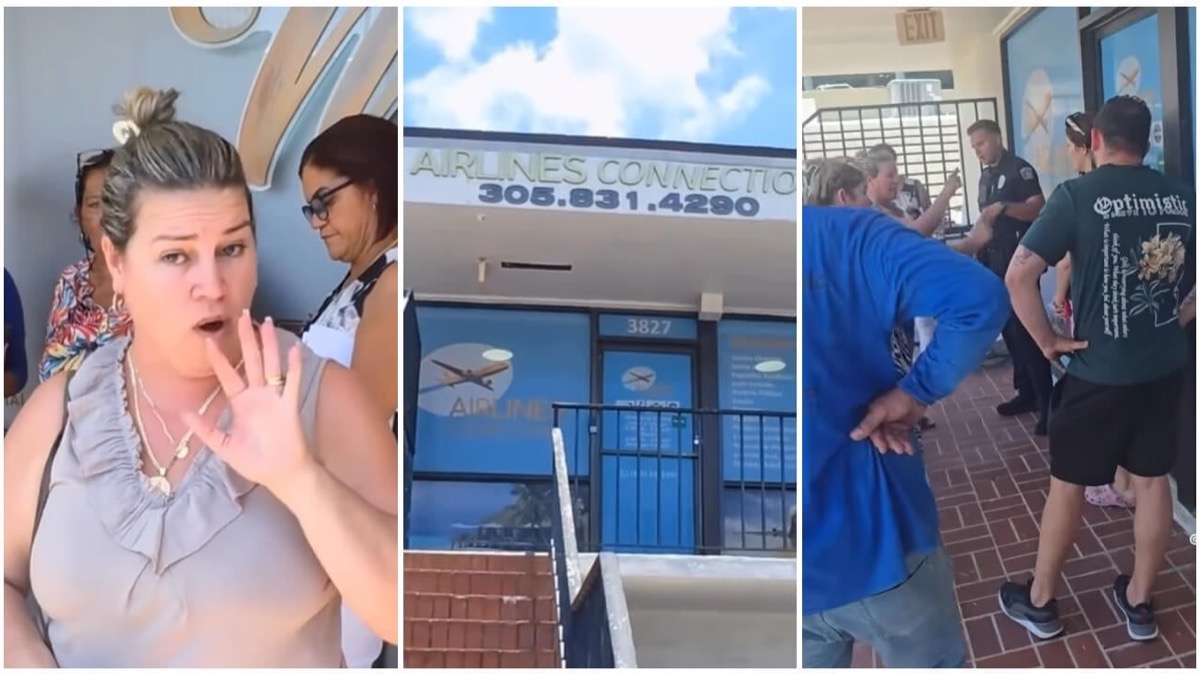
Cubans protest in Miami against Airlines Connections for alleged scam: they demand up to $20,000 in packages to Punta Cana
- World
Trump declares the ceasefire with Iran over, orders new attacks in Hormuz and demands cutting trade with Spain in NATO

- Culture
Harry Potter on HBO: complete guide to the series (not yet released and already renewed for T2), dates, cast and controversies

- Culture
DUK App: Aly Sánchez launches her habits app "one day at a time" with a 63-day program
- Culture
I'm Edgy and Edgy Labs: From Nebraska's Walmart to a beef tallow cream brand that sells across the US.

- Culture
The Evening of the Year VI: all the winners, fights and performances of the Ibai night in Seville

- World
The FBI is investigating the AFA for alleged fraud and money laundering: about $300 million in sponsorships and operations in the US.

- World
El Cangrejo: profile of Raúl Guillermo Rodríguez Castro, Raúl Castro's grandson between GAESA, leaked luxuries and the first interview of 2026