They have found the remains of a Pan Am plane that crashed 74 years ago north of Puerto Rico. The discovery occurred 610 meters deep and involved the Air/Sea Heritage Foundation (ASHF) and Deep Sea Vision, as confirmed by CNN, the BBC and a statement from Warner Bros. Discovery on July 21, 2026.
What was found and where?
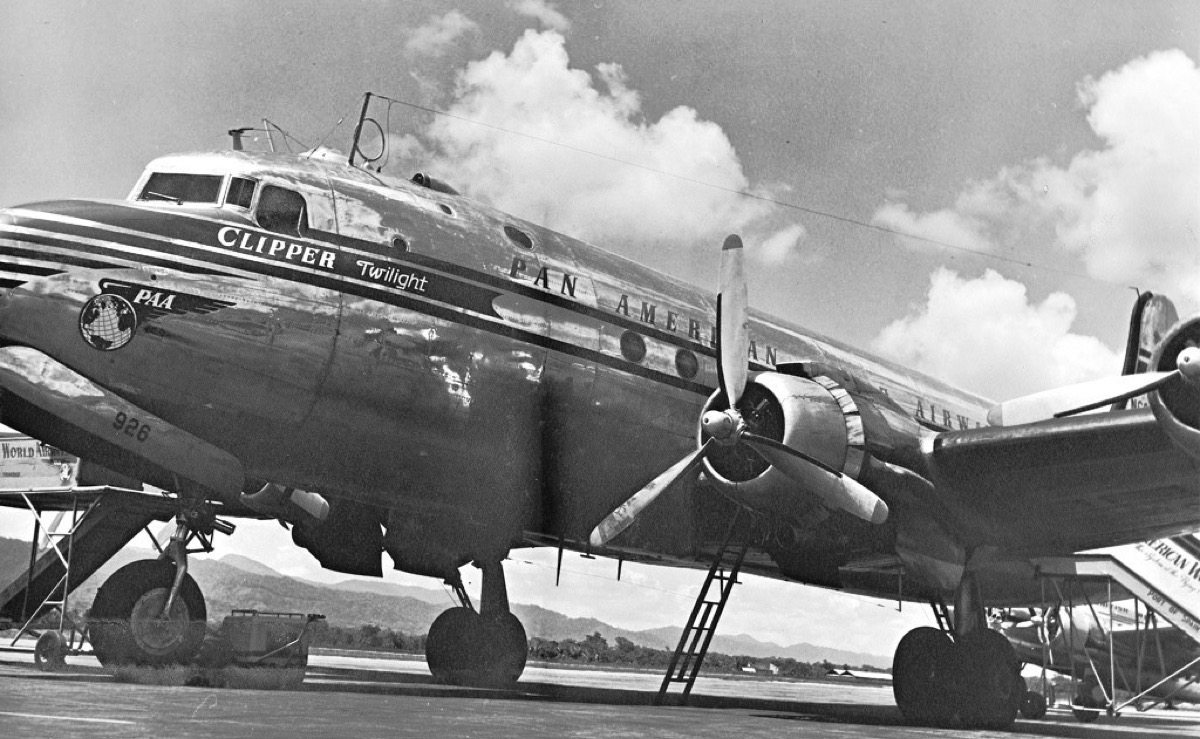
This is the Clipper Endeavor, a Douglas DC-4 approximately the size of a current Boeing 737. An autonomous underwater vehicle (AUV) with high-resolution sonar detected the fuselage and tail on June 2, 2026, at 7:14 p.m. (Puerto Rico time), according to the official statement. The plane appeared split into two sections, with the winged Pan Am logo and the Endeavor name still legible on the aluminum fuselage, reports CBS News.
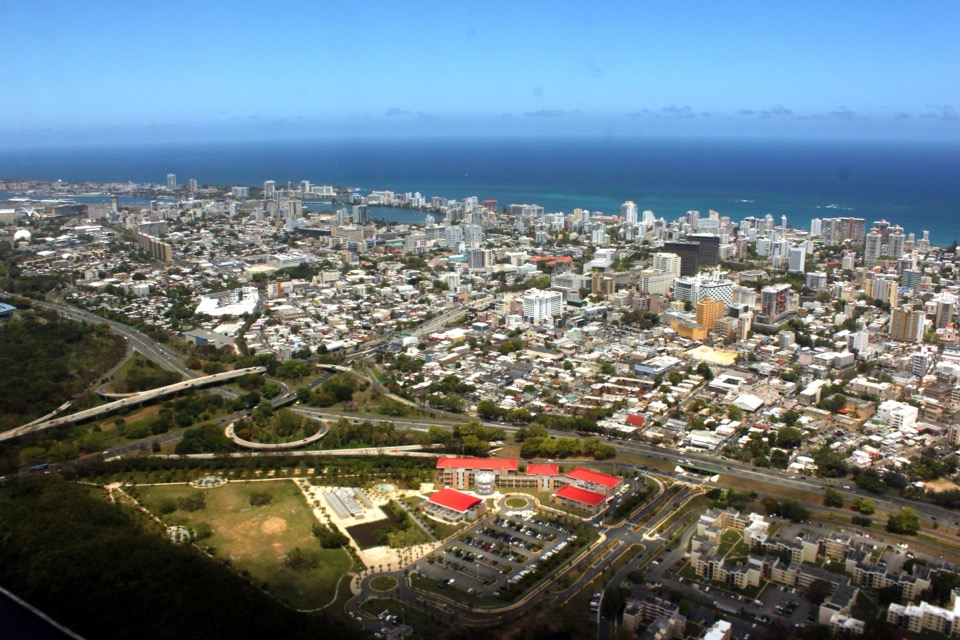
The search area was reduced to about 10 square nautical miles off the northern coast of San Juan after reviewing files from the General Archive of Puerto Rico, including a map drawn by US Air Force pilots who witnessed the accident in 1952 and guided rescue teams, according to the BBC.
The tragedy of Good Friday 1952
Flight 526A took off on April 11, 1952 from the Big Island airport heading to New York's Idlewild (now JFK). Shortly after takeoff it suffered multiple engine failures and the pilot made a violent ditching on the high seas. Interestingly, all occupants survived the initial impact, according to researchers cited by CBS and the Discovery statement.
Chaos came later: there was no prior security briefing, there was a significant language barrier and there was no coordinated evacuation procedure. Many passengers did not find life jackets; The crew had difficulty deploying the rafts. The plane sank in less than three minutes despite the intervention of the Coast Guard and the Air Force. In Puerto Rico the event is known as «The Tragedy of Good Friday».
The Civil Aeronautics Board—predecessor of the current FAA—promoted reforms that included the mandatory safety demonstrations that we hear today on every commercial flight, explains Smithsonian Magazine.
Video: images of the discovery of the Clipper Endeavor
Video coverage of the location of the fuselage of the Pan Am Clipper Endeavor off Puerto Rico. Source: YouTube
How they found it after decades of mystery
The extreme depth kept the exact location of the shipwreck out of the reach of investigations at the time. In 2019, historian Russ Matthews, president of the ASHF, returned to scattered files and surveys in front of San Juan. A collaboration with Discovery's Expedition Unknown—with explorer Josh Gates—led in 2024 to the General Archive of Puerto Rico, where testimonies of survivors, transcripts and the map of military pilots appeared.
An attempt with towed sonar in 2024 failed due to bad weather. In 2026 the research vessel Fugro Brasilis, in transit to the Gulf of Mexico, stopped off San Juan with an advanced Deep Sea Vision AUV (Kongsberg HUGIN model). The drone found the rest on its first pass over the planned area; The team did not know until reviewing the images upon returning to the surface, according to CBS.
"Every time you get on a plane today, you are safer because of what happened to the Clipper Endeavor and its passengers three quarters of a century ago," said Josh Gates in the Discovery statement cited by the BBC.
What happens now?
The ASHF works with the government of Puerto Rico to expand the protection of the site and promote a memorial to the victims. He has contacted affected families, including the two known survivors alive. There are no plans to rescue human remains: 39 bodies were never recovered and the place is treated as a marine cemetery, according to Smithsonian.
The complete search and underwater images will be broadcast in an episode of Expedition Unknown scheduled for later in 2026, announces Warner Bros. Discovery.
In summary
What? Remains of the Pan Am Clipper Endeavor (DC-4). When did it crash? April 11, 1952. When was it found? June 2, 2026. Where? 610 m under the Atlantic, north coast of Puerto Rico. Who found it? Air/Sea Heritage Foundation, Deep Sea Vision and Expedition Unknown. Why does it matter? The accident forever changed safety standards in commercial aviation.
Most read
What readers are engaging with right now.
- World
Cubans protest in Miami against Airlines Connections for alleged scam: they demand up to $20,000 in packages to Punta Cana
- Culture
Goose, the gay app that competes with Grindr, reaches the top 4 of Lifestyle in the App Store

- Culture
Harry Potter on HBO: complete guide to the series (not yet released and already renewed for T2), dates, cast and controversies

- World
Trump declares the ceasefire with Iran over, orders new attacks in Hormuz and demands cutting trade with Spain in NATO

- Culture
DUK App: Aly Sánchez launches her habits app "one day at a time" with a 63-day program

- Culture
I'm Edgy and Edgy Labs: From Nebraska's Walmart to a beef tallow cream brand that sells across the US.

- World
El Cangrejo: profile of Raúl Guillermo Rodríguez Castro, Raúl Castro's grandson between GAESA, leaked luxuries and the first interview of 2026

- World
The FBI is investigating the AFA for alleged fraud and money laundering: about $300 million in sponsorships and operations in the US.

- World
Cuban regime terrorist Ramiro Valdés Menéndez dies