The account Valuetainment published this July 8, 2026 a message that went viral with hundreds of thousands of views: «Ozempic is facing a $2 billion lawsuit from approximately 1,800 users alleging the drug caused severe vision loss and is linked to aggressive thyroid cancer». The headline summarizes a real legal storm against semaglutide, but mixes figures from different fronts. Here we break down what is proven, what is in litigation, and what is not yet.
«NEW: Ozempic is facing a $2 billion lawsuit from approximately 1,800 users alleging the drug caused severe vision loss and is linked to aggressive thyroid cancer.»
First: it is not a single demand for 2,000 million
Valuetainment's post condenses various data that circulates in legal media and networks, but it is convenient to separate them. There is no single $2 billion judgment or confirmed global settlement against Novo Nordisk as of July 2026, according to tracking by Lawsuits Journal and Drugwatch. The $2 billion figure comes from legal analysts estimating the aggregate exposure if thousands of lawsuits are successful — not from a judgment or an already agreed-upon compensation fund.
What there is is some of the fastest growing pharmaceutical litigation in the US: thousands of individual lawsuits consolidated into multidistrict litigation (MDL) before Judge Karen S. Marston in the Eastern District of Pennsylvania. No case has gone to trial yet; Selection of bellwether cases is ongoing, with first trials possible in late 2026 or 2027.
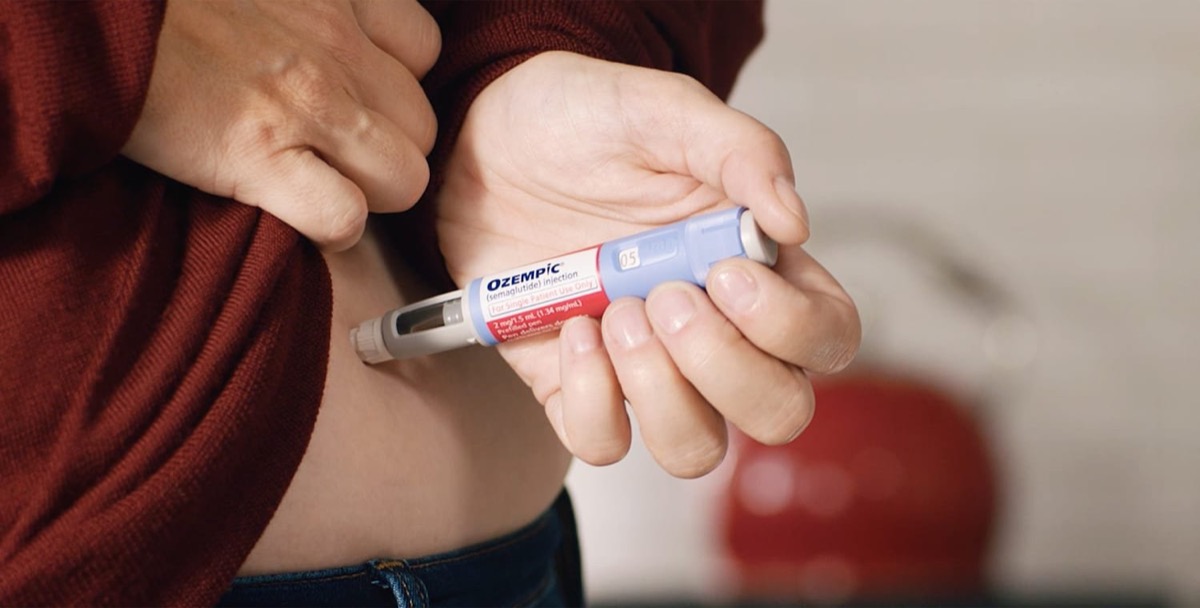
Two CDMs, two types of injury
The GLP-1 litigation is divided into two federal proceedings:
- MDL-3094 (February 2024): gastrointestinal lesions — gastroparesis (gastric paralysis), ileus, intestinal obstruction, persistent vomiting. As of June 1, 2026, there were 3,763 cases pending, according to Multidistrict Litigation Panel statistics cited by Drugwatch.
- MDL-3163 (December 2025): vision loss due to NAION (non-arteritic anterior ischemic optic neuropathy), an optic neuropathy that can lead to permanent blindness in one eye. It had ~110 federal cases as of June 2026.
The ~1,800 users that Valuetainment mentions better fit the volume of blindness lawsuits that some mass tort law firms have reported accumulating since mid-2025 — higher than the current MDL-3163 inventory because many cases remain under investigation or in state courts (including a multi-county litigation in New Jersey). There are not 1,800 people in a single file.
Vision: what science says
The scientific link most cited in the NAION lawsuits is a retrospective Harvard study published in JAMA Ophthalmology (July 3, 2024). Hathaway and colleagues analyzed patient records between 2017 and 2023 and found a statistical association between semaglutide and NAION:
- Patients with type 2 diabetes: hazard ratio 4.28 (95% CI: 1.62–11.29) compared to other non-GLP-1 antidiabetics.
- Patients with overweight or obesity (without diabetes): HR 7.64 (95% CI: 2.21–26.36) compared to other weight loss drugs.
The authors emphasize that it was an observational study: it suggests an association, it does not demonstrate causality. Novo Nordisk and Eli Lilly have disputed the interpretation. Ophthalmology experts called for more research before changing clinical practice. As of July 2026, the FDA has not added a NAION-specific warning to Ozempic labeling in the US, although it did add a warning about gastroparesis in the gastrointestinal MDL in October 2025.
Video: NAION and semaglutide — ophthalmological explanation
Ophthalmologist Joseph Allen reviews the JAMA Ophthalmology study and what the association between semaglutide and NAION means for patients and clinicians. Source: Doctor Eye Health — YouTube
Thyroid cancer: warning vs. human evidence
Valuetainment links Ozempic to aggressive thyroid cancer. Since their approval, GLP-1 agonists have carried a boxed warning on thyroid C cell tumors, but based on studies in rodents, not on confirmed findings in humans. The label contraindicates the drug in patients with a personal or family history of medullary thyroid carcinoma (MTC) or MEN 2 syndrome; The relevance in humans "has not been determined", according to the leaflet itself reviewed by the FDA.
Some individual lawsuits include thyroid cancer claims, but do not form a separate MDL like gastroparesis or NAION. Legal and medical reviewers point out that, as of early 2026, there is no solid evidence linking semaglutide to thyroid cancer in humans; Part of the increase in detections could be due to more medical screening in patients on long-term treatment. That does not invalidate the concerns of those suing, but it distinguishes legal allegation from established medical fact.
Litigation status as of July 2026
According to MDL Update and Lawsuits Journal:
- No global agreements announced in either of the two CDMs.
- No trials with verdicts to date.
- Evidence discovery phase and active early sentencing motions; expert admissibility hearings scheduled for September 2026.
- Analysts project that massive agreements, if they arrive, would be unlikely before the end of 2027, after the first bell trials.
Claimed injuries range in severity: from documented nausea to permanent gastroparesis requiring feeding tube, intestinal obstruction with surgery, or irreversible visual loss. Specialized law firms publish indicative ranges of compensation by level of injury, but there are no guaranteed amounts as long as there are no judicial precedents.
What does it mean for those who use Ozempic?
Ozempic and Wegovy remain widely prescribed medications for diabetes and obesity; millions of people use them with documented clinical benefit. The legal wave does not remove the drug from the market: it requires review of risk information, informed consent and medical monitoring. If you take semaglutide and experience disabling vomiting, severe abdominal pain, or sudden loss of vision in one eye, clinical guidelines recommend contacting a healthcare professional immediately — NAION is an ophthalmic emergency.
Novo Nordisk maintains Ozempic.com its position that the benefit-risk profile of the product remains supported when used as directed. The lawsuits seek to demonstrate that the company did not warn in time about risks that patients consider foreseeable.
In summary
Is it true that there is litigation? Yes: thousands of cases in the US. Is it a single $2 billion lawsuit? No: it is an estimate of aggregate exposure. ~1,800 users due to blindness? A plausible figure in the NAION lawsuit ecosystem, although the federal vision MDL had ~110 cases as of June. Thyroid cancer proven? Not in humans; There is a warning on the label due to rodent data. Is there a sentence or payment? Not until July 2026.
Update (July 8, 2026): News based on the alert from Valuetainment in X, contrasted with JAMA Ophthalmology, Drugwatch, MDL Update and Lawsuits Journal. We will update if there are bell trial dates or global agreements.
Most read
What readers are engaging with right now.
- Culture
Goose, the gay app that competes with Grindr, reaches the top 4 of Lifestyle in the App Store
- World
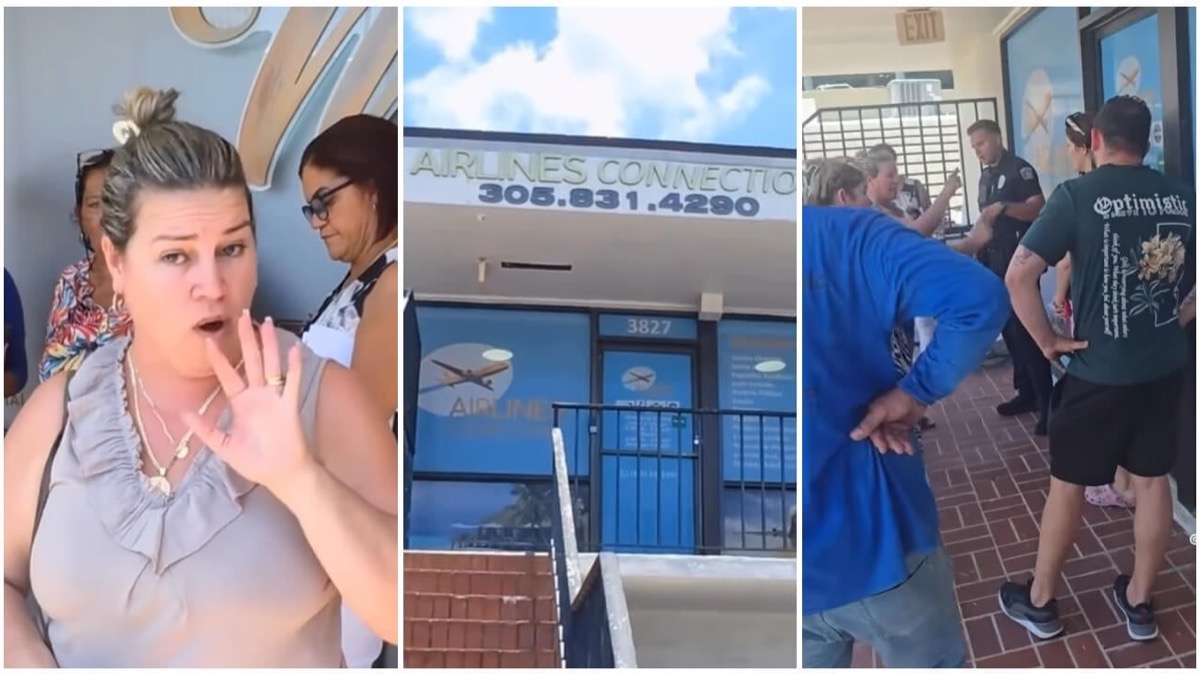
Cubans protest in Miami against Airlines Connections for alleged scam: they demand up to $20,000 in packages to Punta Cana
- World
Trump declares the ceasefire with Iran over, orders new attacks in Hormuz and demands cutting trade with Spain in NATO

- Culture
Harry Potter on HBO: complete guide to the series (not yet released and already renewed for T2), dates, cast and controversies

- Culture
DUK App: Aly Sánchez launches her habits app "one day at a time" with a 63-day program
- Culture
I'm Edgy and Edgy Labs: From Nebraska's Walmart to a beef tallow cream brand that sells across the US.

- Culture
The Evening of the Year VI: all the winners, fights and performances of the Ibai night in Seville

- World
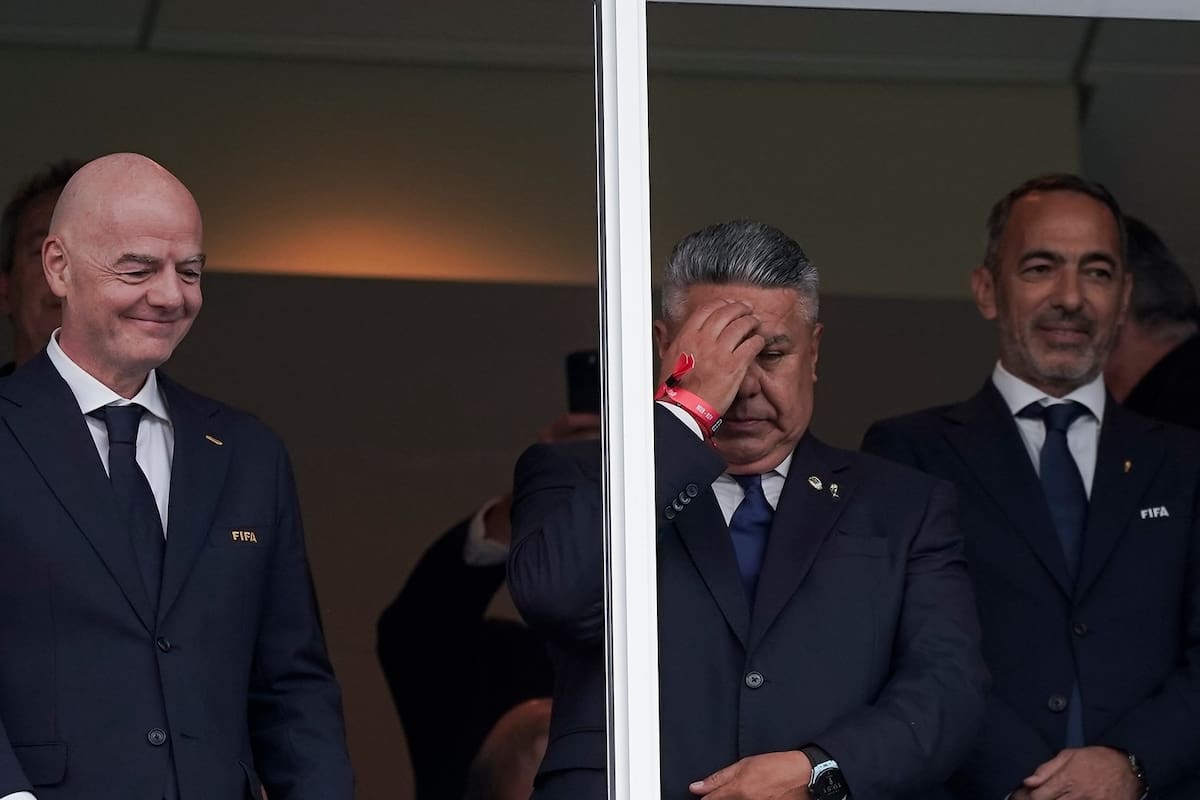
The FBI is investigating the AFA for alleged fraud and money laundering: about $300 million in sponsorships and operations in the US.
- World
El Cangrejo: profile of Raúl Guillermo Rodríguez Castro, Raúl Castro's grandson between GAESA, leaked luxuries and the first interview of 2026