Lovable has become one of the European references for vibe coding: creating complete software describing what you want in natural language and letting AI generate the code, design and deployment. Founded at the end of 2023 in Stockholm by Anton Osika and his team, the platform has just crossed a milestone that few startups reach in less than three years: $500 million annualized revenue (ARR), as confirmed to TechCrunch on June 9, 2026.
What is Lovable and how it works
In lovable.dev, the flow is deliberately simple. The user describes an app or website—or uploads screenshots and documents—and the AI builds a functional prototype in real time. It is then iterated with feedback in chat ("make the button bigger", "add login with Google") and published with one click. Lovable generates full-stack applications: frontend, backend, database and live URLs, without requiring knowledge of React, SQL or DevOps.
The platform offers templates (portfolios, blogs, e-commerce stores, internal tools), integrations with external services, native payments from February 2026 and MCP connectors to link with Claude and other AI agents. Teams at companies such as HCA Healthcare, HubSpot, Microsoft, Uber and Zendesk use it for prototyping and internal tools, according to the release from Google Cloud.
Video: Lovable 2.0 — multiplayer and chat agent
Official release of Lovable 2.0: agent in chat mode, team collaboration and security scanning. Source: Lovable — YouTube
Video: Lovable Cloud tutorial (39 min)
Official tutorial: personal finance app with authentication, database and Lovable Cloud. Source: Lovable — YouTube

The numbers that explain the phenomenon
Lovable went from $400M to $500M ARR in a single month (February to June 2026). With about 146 employees, that's about $2.77 million in revenue per person — a figure that exceeds analyst predictions for software unicorns. The platform accumulates more than 50 million projects created and registers one million new projects per week.
In its first “build economy” report, Lovable states that 80% of its users define themselves as non-technical: founders, designers and salespeople who previously depended on developers or agencies. Projects built with Lovable receive a combined 720 million monthly visits. Eight in ten respondents plan to monetize what they have created; more than half are starting a business. Some users with integrated payments already bill five- and six-digit figures, although the company has not published how many or a detailed distribution — its own data, not externally audited, according to The Next Web.
Alliances with Google Cloud and Anthropic
On June 3, Lovable expanded its collaboration with Google Cloud to scale enterprise infrastructure with Gemini models and enterprise-grade security. The Lovable agent has entered the Gemini Enterprise agent gallery, allowing Google customers to deploy builds with unified billing and procurement.
On the other hand, Lovable deepened the integration with Anthropic's Claude via MCP server: users can access their workspace from Claude chats, audit projects, consult live data from deployed apps and launch builds from the terminal with Claude Code. Designers can export from Claude Design to Lovable to add authentication, databases, and published URLs in a single flow.
Mobile apps and the battle with Apple
In April 2026, Lovable launched native apps for iOS and Android, allowing you to create projects by voice or text from your mobile, receive notifications when a build finishes and pick up where you left off on your computer. The launch came at a delicate time: Apple had blocked updates from competitors such as Replit and Vibecode for violating guidelines that prohibit apps from downloading new code or changing their functionality dynamically. Lovable complied with the rules by moving previews to the web browser instead of running them within the host app, according to TechCrunch.
Threat to SaaS or fad?
Lovable data points to real change: no-code users building CRMs, inventories, online stores and HR tools. HH. that they previously bought as SaaS. The open question—pointed out by TechCrunch—is not whether software like this can be created, but whether it can be maintained in the long term. Complex projects can fall into AI loops, invisible technical debt, and scalability limits that a traditional engineering team would resolve with explicit architecture.
For prototypes, MVPs, landings, internal dashboards and side projects with the intention of monetizing, Lovable today offers one of the lowest barriers to entry on the market. For critical large-scale production software, it is still a gamble that should be evaluated on a case-by-case basis. What is not in doubt is the speed of adoption: in less than three years, a Swedish startup has turned “describe your idea” into a $500 million-a-year business.
Most read
What readers are engaging with right now.
- Culture
Goose, the gay app that competes with Grindr, reaches the top 4 of Lifestyle in the App Store

- World
Cubans protest in Miami against Airlines Connections for alleged scam: they demand up to $20,000 in packages to Punta Cana

- World
Trump declares the ceasefire with Iran over, orders new attacks in Hormuz and demands cutting trade with Spain in NATO

- Culture
Harry Potter on HBO: complete guide to the series (not yet released and already renewed for T2), dates, cast and controversies

- Culture
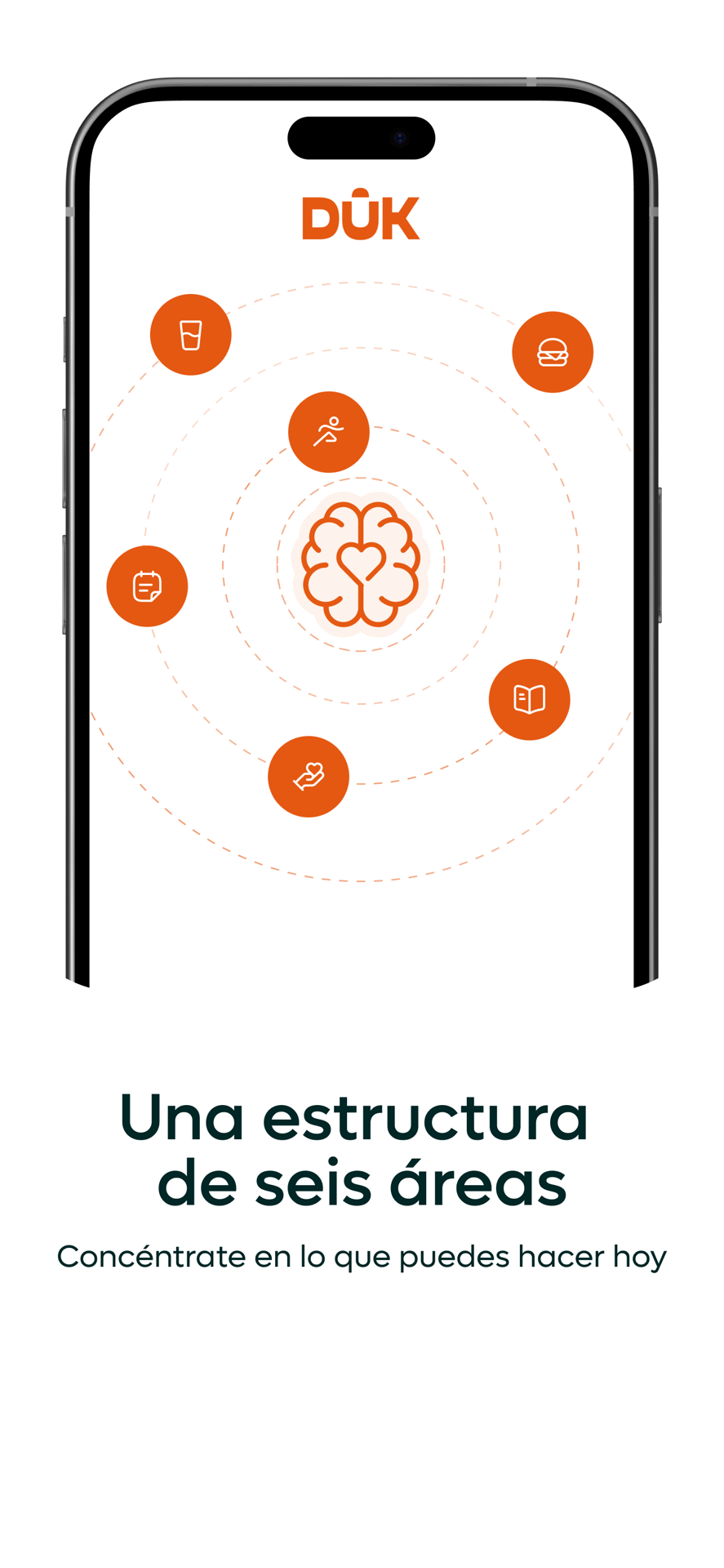
DUK App: Aly Sánchez launches her habits app "one day at a time" with a 63-day program
- Culture
I'm Edgy and Edgy Labs: From Nebraska's Walmart to a beef tallow cream brand that sells across the US.

- Culture
The Evening of the Year VI: all the winners, fights and performances of the Ibai night in Seville

- World
The FBI is investigating the AFA for alleged fraud and money laundering: about $300 million in sponsorships and operations in the US.

- World
El Cangrejo: profile of Raúl Guillermo Rodríguez Castro, Raúl Castro's grandson between GAESA, leaked luxuries and the first interview of 2026