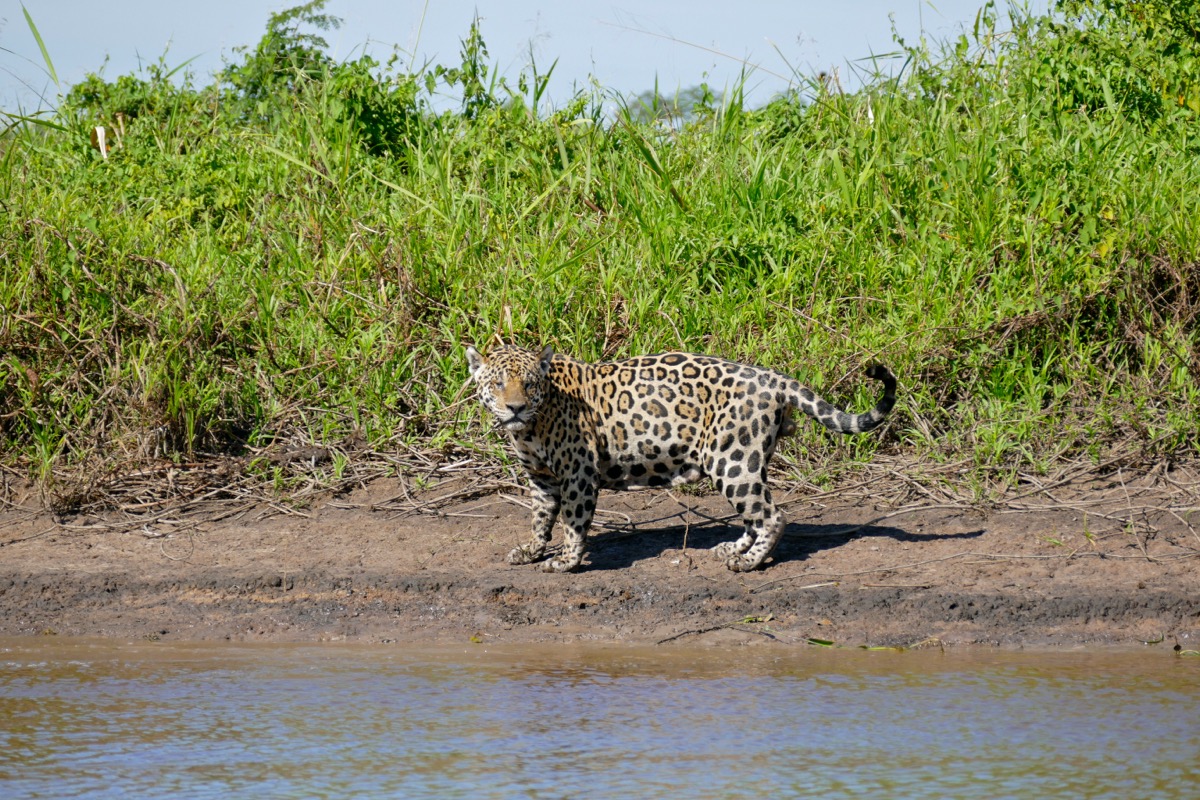
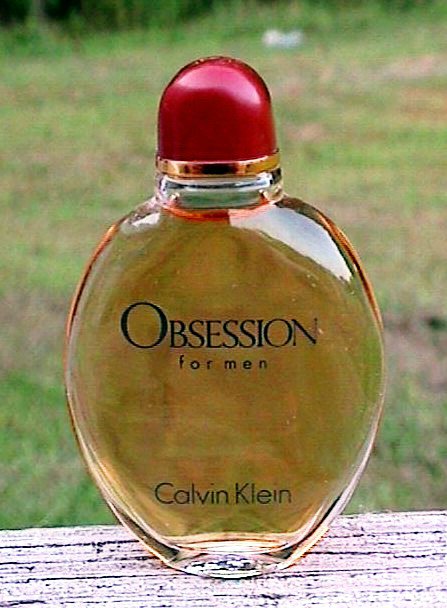
Can a Calvin Klein perfume help save jaguars? It sounds like a joke, but it's verified science: Obsession for Men attracts big cats for several minutes, allowing biologists to photograph them with camera traps without capturing or disturbing them. The discovery was born by accident at the Bronx Zoo in 2003, it was perfected in captivity and today it is applied in the jungle of Guatemala. And no, it has nothing to do with human pheromones or “animal perfumes” for domestic use.
Who discovered it?
The systematic discovery was led by Pat Thomas, then general curator of the Bronx Zoo (belonging to the Wildlife Conservation Society, WCS). For years, zoos had sprayed perfumes on rocks and trees as olfactory enrichment to keep the cats active, but Thomas decided to rigorously measure which fragrances worked best.
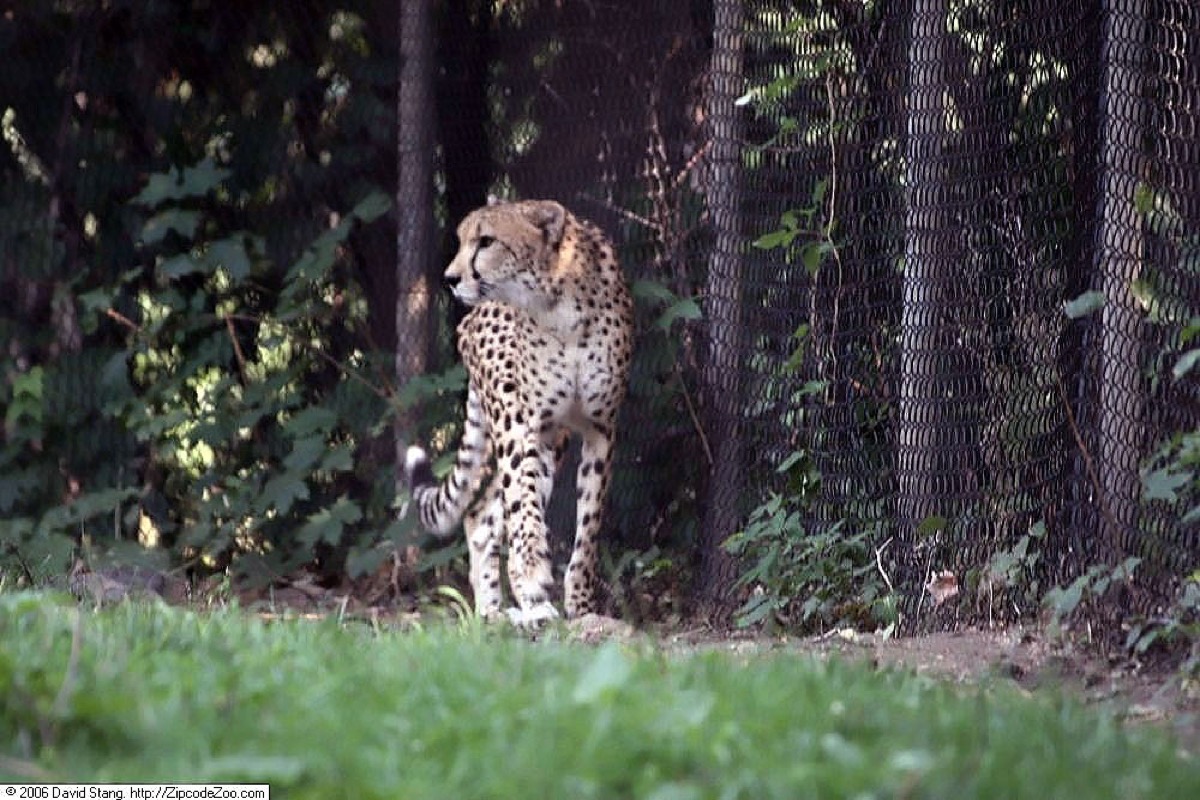
In the tiger, snow leopard, and cheetah enclosures, he applied dozens of colognes and perfumes to logs and stones and timed how long the animals stayed sniffing and rubbing each other. The result, collected by NBC News and the McGill University, it was clear: Obsession for Men surpassed the rest.
The field application in Guatemala was promoted by biologists Rony García and José Moreira, from the WCS Jaguar Conservation Program. Since 2007 they have sprayed the perfume on rags or stakes near chambers sensitive to heat and movement in the Mayan Biosphere Reserve, one of the last large jaguar populations in Central America, according to Reuters and the statement from the WCS (2010).
The Bronx Zoo Experiment (2003)
The story began as an animal welfare experiment, not a marketing gimmick. In 2003, the WCS was already looking for ways to get cheetahs to spend more time in front of cameras at the New York Zoo, says ABC Science (Australia). Thomas and his team tested fragrances of different price points—from cheap colognes to luxury perfumes—and measured the time each feline spent sniffing and rubbing the treated surfaces.
The results published in scientific and popular media show abysmal differences between brands:
- Obsession for Men (Calvin Klein): about 11.1 minutes of medium interest.
- L'Air du Temps (Nina Ricci): ~10.4 minutes.
- Charlie (Revlon): 15.5 seconds.
- Beautiful (Estée Lauder): just 2 seconds.
The cheetahs didn't just sniff: They hugged the logs, rubbed their cheeks vigorously, sometimes drooled and seemed to go into a trance, Thomas described to National Geographic. This behavior—cheek rubbing—is the same behavior that felines use to mark territory and collect chemical signals from other individuals.
Video: cheetahs and Obsession for Men at the Bronx Zoo
Dissemination on the reaction of cheetahs at the Bronx Zoo to Calvin Klein perfume, in line with the WCS experiment. Source: YouTube
Use in Guatemala: camera traps in the Mayan jungle
In the Guatemalan jungle, the problem is not boring a feline in captivity, but photographing a jaguar that is barely visible. García and Moreira install camera traps on wildlife trails. When an animal breaks the infrared beam, the camera triggers. But if the jaguar only crosses for a second, the photo is not useful to identify it by its unique spots.
The solution: spray Obsession for Men on a rag tied to a stake, a few meters from the camera. The smell causes the feline to stop, sniff, and rub the cloth for several minutes. In this way, researchers obtain clear images of the face and flank, estimate how many individuals there are in each area, and record rarely seen behaviors—including mating—according to the WCS.
"It has been very useful to use Obsession for Men to get jaguars to walk in front of these camera traps... and that allows us to estimate with greater confidence the sexes and the numbers that live in each site studied," José Moreira told Reuters.
In a 2007 field report in La Gloria-El Lechugal (Petén), the WCS team documented that the attractant also attracted ocelots, pumas, tapirs, and tacuazines, expanding the value of the method beyond the jaguar.
Why does it work? Civetone, not human pheromones
Here is the most widespread confusion on the internet: Obsession for Men does not attract felines because it smells like “sexy” humans or because it contains human pheromones. Scientists say the likely key is civetone, a musk compound present in the formula.
The civet imitates the smell secreted by the African civet (Civettictis civetta), a small mammal that uses that aroma to mark territory. Historically it was extracted from their perianal glands; Today it is synthesized from vegetable oils such as palm oil. In perfumery it is a "musky" note that, very diluted, is pleasant; in pure concentration it smells strong and animalistic, explained perfumer Mandy Aftel to NPR.
Felines, with a much sharper sense of smell than humans, react to these molecules as if they were finding a territorial marker or a social signal from another mammal. That's why they rub their cheeks: they deposit their own smell and absorb that of the civetone. The WCS admits that it is not sure whether the response is sexual, playful, or purely territorial; what matters for conservation is that it works as a non-invasive olfactory bait.
Is it “the best fragrance” for animals or humans?
For domestic animals in recreation: no. This method is intended for olfactory enrichment in accredited zoos and for scientific research with camera traps. Spraying perfume on your cat or dog is not veterinary-approved and can irritate their respiratory tract.
To attract humans: There is also no solid scientific evidence that Obsession for Men acts as a human pheromone. The so-called "pheromones" in commercial colonies are mostly marketing; The civet attracts felines because of its similarity to civet markers, not because it arouses human desire.
Only Obsession for Men: The WCS emphasizes that Obsession for Women does not provoke the same intense reaction in big cats. Other species prefer other smells: at New York's Queens Zoo, cougars and lynxes responded best to skunk urine extract, according to ABC Science.
In the jungle it doesn't always win: Thomas warned National Geographic that, in field tests, Obsession for Men wasn't always the best attractant and declined to reveal which other fragrances performed best in wild habitats. The method remains a useful tool, not a panacea.
In summary
Who discovered it? Pat Thomas (Bronx Zoo/WCS), ~2003. Who uses it in Guatemala? Rony García and José Moreira (WCS), since 2007. Why Obsession for Men? Because of civetone and other musky notes that imitate animal markers. Is it for human pheromones or "pet perfume"? No: it is a conservation and study tool, not an aphrodisiac or a homemade olfactory toy. What is it for? That the jaguars stay in front of the camera long enough to count them, identify them and protect their habitat.
Most read
What readers are engaging with right now.
- World
Cubans protest in Miami against Airlines Connections for alleged scam: they demand up to $20,000 in packages to Punta Cana

- Culture
Goose, the gay app that competes with Grindr, reaches the top 4 of Lifestyle in the App Store

- Culture
Harry Potter on HBO: complete guide to the series (not yet released and already renewed for T2), dates, cast and controversies

- World
Trump declares the ceasefire with Iran over, orders new attacks in Hormuz and demands cutting trade with Spain in NATO

- Culture
DUK App: Aly Sánchez launches her habits app "one day at a time" with a 63-day program

- Culture
I'm Edgy and Edgy Labs: From Nebraska's Walmart to a beef tallow cream brand that sells across the US.

- World
El Cangrejo: profile of Raúl Guillermo Rodríguez Castro, Raúl Castro's grandson between GAESA, leaked luxuries and the first interview of 2026

- World
The FBI is investigating the AFA for alleged fraud and money laundering: about $300 million in sponsorships and operations in the US.

- World
Cuban regime terrorist Ramiro Valdés Menéndez dies