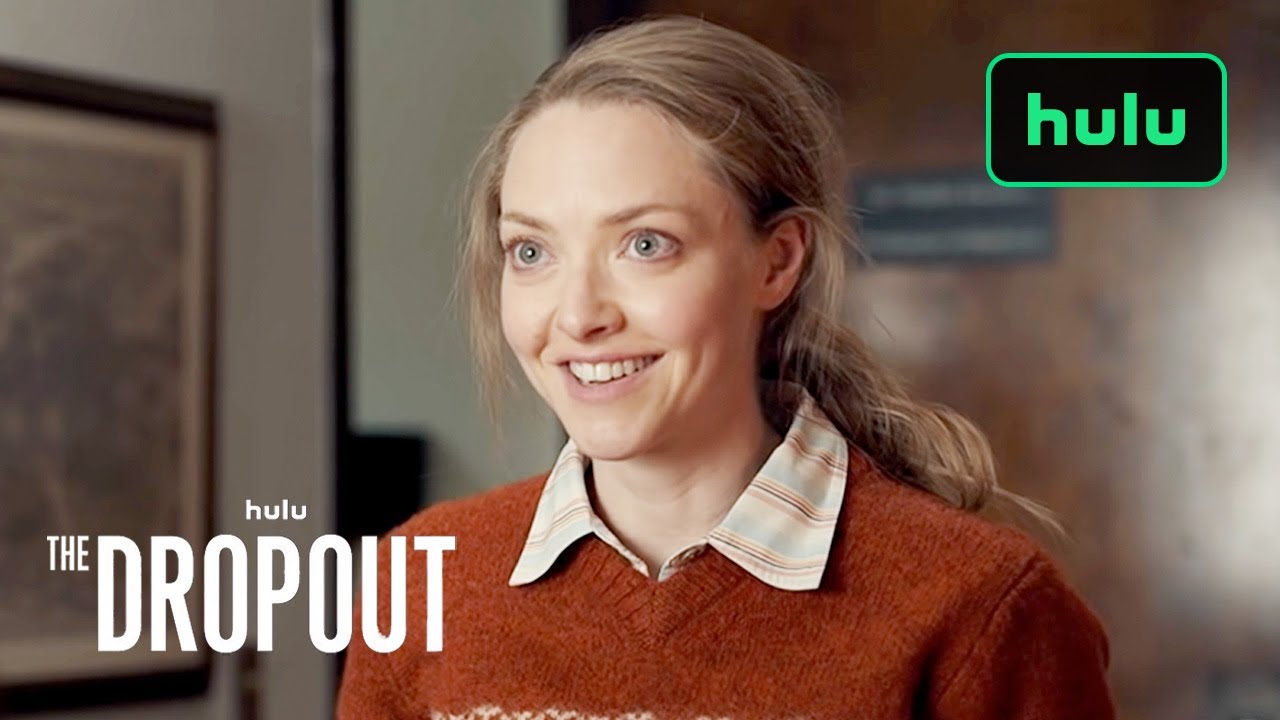
Elizabeth Anne Holmes left Stanford at age 19 to found Theranos, a biotechnology startup that promised to democratize blood testing: hundreds of tests with a single drop, results in hours and radically lower costs than traditional laboratories. For a decade he convinced investors, media and partners like Walgreens; In 2014 the company reached a private valuation of $9 billion—without ever having gone public—and Holmes topped Forbes lists as the youngest self-made businesswoman in the world, with a paper wealth of about $4.5 billion. In 2018 the US Department of Justice accused her of “elaborate and protracted” fraud; In 2022, a federal jury found her guilty of defrauding investors of more than $140 million in specific transfers. The story—money, ambition, deception, and public health—is dramatized in The Dropout, the miniseries from Hulu starring Amanda Seyfried.
Video: official trailer for The Dropout (Hulu)
«Money. Romance. Tragedy. Deception”: Hulu premiered the eight-episode limited series in March 2022. Source: Hulu — YouTube
What did Theranos promise?
Holmes presented his own device – he called it Edison, TSPU or minilab – capable of carrying out a complete range of clinical analyzes from a minimal sample obtained with a finger prick. The narrative was seductive: less pain, less cost, faster and more reliable results than conventional laboratories. Theranos signed deals with Walgreens to offer trials in stores in California and Arizona, raised hundreds of millions of dollars in investment funding and appeared on magazine covers as a symbol of female entrepreneurship in Silicon Valley.
The problem, according to the federal indictment summarizing the U.S. Attorney's Office of the Northern District of California, is that Holmes and his number two, Ramesh "Sunny" Balwani, knew that the technology was not capable of consistently producing accurate and reliable results on numerous tests — including those for calcium, chloride, potassium, bicarbonate, HIV, HbA1c, hCG and sodium — and still promoted the service to doctors and patients through advertising and commercial agreements.
The valuation: $9 billion unlisted
It is important to clarify: Theranos was never listed on the stock market. There was no IPO or ticker on the Nasdaq or the New York Stock Exchange. What made it a Silicon Valley legend was its valuation in private venture capital rounds: in 2014, after an injection of 400 million dollars led by funds such as that of the Walton family (Walmart), investors set the price of the company at 9,000 million dollars. At that time it was one of the most valuable private startups on the planet, comparable in hype to Uber or Airbnb of the same time.
Holmes controlled approximately half of the shares. Forbes included her in 2014 as the youngest self-made entrepreneur in the world, with a fortune estimated at about $4.5 billion—all on paper, because she could not freely sell those shares on a public market. Among investors were big names: Larry Ellison (Oracle), the DeVos family, Rupert Murdoch, the Waltons, the Partner Fund fund and Carlos Slim's media group, in addition to Betsy DeVos as an advisor before being Trump's Secretary of Education.
The SEC and the DOJ document that much of that valuation was based on lies about revenues and technology: Holmes even told investors that Theranos would make more than $100 million in 2014 and about 1 billion in 2015, when in reality the revenues were "neglectable or modest," according to the federal indictment. In total, the company raised more than $700 million in private capital before collapsing.
After the investigations by The Wall Street Journal (2015), the revocation of the laboratory by the CMS and the lawsuits by Walgreens, the valuation evaporated. Theranos ceased operations and was dissolved in September 2018. Investors—and Holmes's paper assets—were left with shares without market value. From $9 billion at the peak to zero cash at the crash: one of the biggest destructions of value in the recent history of American private equity.
Was it really all a scam?
The short answer from the American judicial system is yes on the essentials of the business, although with nuances depending on who they deceived. In 2018, the SEC classified the case as a "massive" fraud to raise more than $700 million from investors through false statements about income, contracts and technological capabilities. The federal grand jury indicted Holmes and Balwani on two wire fraud conspiracies (patients/doctors and investors) and nine counts of wire fraud.
At Holmes' trial (January 2022), the jury convicted her of conspiracy and fraud against investors—transfers exceeding $140 million—but acquitted her of conspiracy to defraud patients and three counts of fraud against individual patients. That doesn't mean the tests were reliable: the government documented erroneous results and mass reversals; It means that the jury did not see those specific criminal charges against Holmes proven. Balwani, tried separately, was convicted of fraud that, according to the DOJ, put the health of patients at risk.
In November 2022, Judge Edward Davila sentenced Holmes to 135 months (11 years and 3 months) in federal prison and Balwani to 155 months. Holmes had to surrender on April 27, 2023 to serve his sentence, according to the official case file.
Did they manage to build the equipment that analyzed everything with a drop?
They built hardware—it wasn't just a display—but it didn't do what Holmes promised at scale or with the advertised reliability. The DOJ indictment contends that Theranos devices had accuracy and reliability issues, ran a limited number of tests, were in some respects slower than conventional equipment and, in practice, could not compete with existing analyzers.
Meanwhile, Theranos purchased and used third-party commercial analyzers for much of the lab work, although Holmes told investors that patients were tested with machines made by Theranos. Journalists from The Wall Street Journal (2015) and subsequent inspections by the Centers for Medicare & Medicaid Services (CMS)exposed serious deficiencies in the Newark (California) laboratory; The CMS revoked the center's certification and Theranos voided or corrected tens of thousands of results. Walgreens broke the alliance; The company's valuation plummeted.
In short: the technological miracle they sold did not exist. There were prototypes and a laboratory, but the story of “all your analytics with one drop” was, according to the courts and regulators, misleading.
And the US government? Aid and contracts?
Holmes often cited military and government clients in presentations to investors. According to the SEC complaint, it claimed that the technology was deployed on the battlefield and in Afghanistan, including in medical helicopters. The government maintains that this was false: between 2011 and 2014 there were conversations with various divisions of the Department of Defense, but Theranos only invoiced approximately $300,000 in three Pentagon contracts – a tiny figure compared to the hundreds of millions raised from venture capital.
The then General James Mattis—future Secretary of Defense—pressured internally to evaluate the device in military contexts, according to emails collected by The Washington Post and BioPharma Dive. An Army regulatory official, David Shoemaker, alerted the FDA in 2012 that Theranos was not in compliance with applicable regulations. The device never reached the combat front.
This is not a classic case of "massive public subsidies misappropriated," but of lies about contracts and institutional deployment to impress private investors, added to the risk for patients at Walgreens points and federal scrutiny of the laboratory. The most visible damage to the State was reputational and regulatory; the main financier, to investors and business partners.
The drop in dates
- 2003: Holmes founded Theranos (initially Real-Time Cures).
- 2014: $400 million round; private valuation of 9,000 million; Holmes on the cover of Forbes as a billionaire.
- 2013-2015: Agreement with Walgreens; massive media coverage.
- October 2015: WSJ questions technology; The collapse of credibility begins.
- March 2018: SEC charges Holmes and Theranos with fraud; Holmes relinquishes control and accepts civil penalties.
- June 2018: Federal grand jury indicts Holmes and Balwani.
- January 2022: Completion of the trial; Mixed verdict against Holmes.
- November 2022: Prison sentences for Holmes and Balwani.
- March 2023: Hulu premiere of The Dropout had already narrated the entire arc for millions of viewers from 2022.
The Dropout: the series that turns the case into drama
Based on the podcast of the same name by Rebecca Jarvis (ABC Audio), The Dropout is an eight-episode miniseries created by Elizabeth Meriwether and released on Hulu on March 3, 2022 (three initial chapters and the rest weekly). Amanda Seyfried plays Holmes with the deep voice and black-collar uniform that became iconic; Naveen Andrews plays Balwani. The cast includes William H. Macy, Laurie Metcalf, Elizabeth Marvel, Sam Waterston and Stephen Fry.
The series is not a documentary: it condenses years of reporting into a corporate thriller narrative—Stanford, investors, dubious demonstrations, enthusiastic press and the moment when the cracks become visible. It was well received by critics and won Seyfried the Emmy for best actress in a miniseries and a Golden Globe in the same category. If you want to understand the case without reading thousands of judicial pages, it is today the most accessible gateway —always contrasting with primary sources such as the DOJ.
Where to watch The Dropout
- United States: complete catalog on Hulu (subscription; TV-MA).
- International: in many markets the series was distributed through the Star hub on Disney+ or Star+ (Latin America), depending on the country. Check your local catalog: rights vary.
- Complements: the podcast The Dropout (ABC News) and the book Bad Blood by John Carreyrou (WSJ) continue to be essential references for further study.
Context in 2026: The Theranos case is already closed history in the courts, but it continues to show how technological hype, premature commercial agreements and weak supervision can turn a medical promise into a real risk. The Dropout remains in the catalog and fits in our What to see section due to its narrative quality and journalistic relevance.
In summary
Who is Elizabeth Holmes? Founder of Theranos, convicted of investor fraud. How much was the company worth? Up to 9 billion dollars in private valuation (2014); never listed on the stock market. How much was Holmes worth? About 4.5 billion on paper at his peak, according to Forbes. Was it all a lie? The promised technology did not work as it was sold; There were real but insufficient devices and systematic deception of investors. A drop of blood for everything? Not reliably or at scale; Much of the work was done on other people's machines. Did he defraud the government? He exaggerated contracts and military deployment; direct federal revenue was minimal, but he lied about it to investors. Where to watch the series? On Hulu (and Disney+/Star+ depending on country). Is it worth it? If you're interested in corporate fraud explained in a premium series rhythm, yes — and then read the DOJ file for the unscripted version.
Most read
What readers are engaging with right now.
- Culture
Goose, the gay app that competes with Grindr, reaches the top 4 of Lifestyle in the App Store

- World
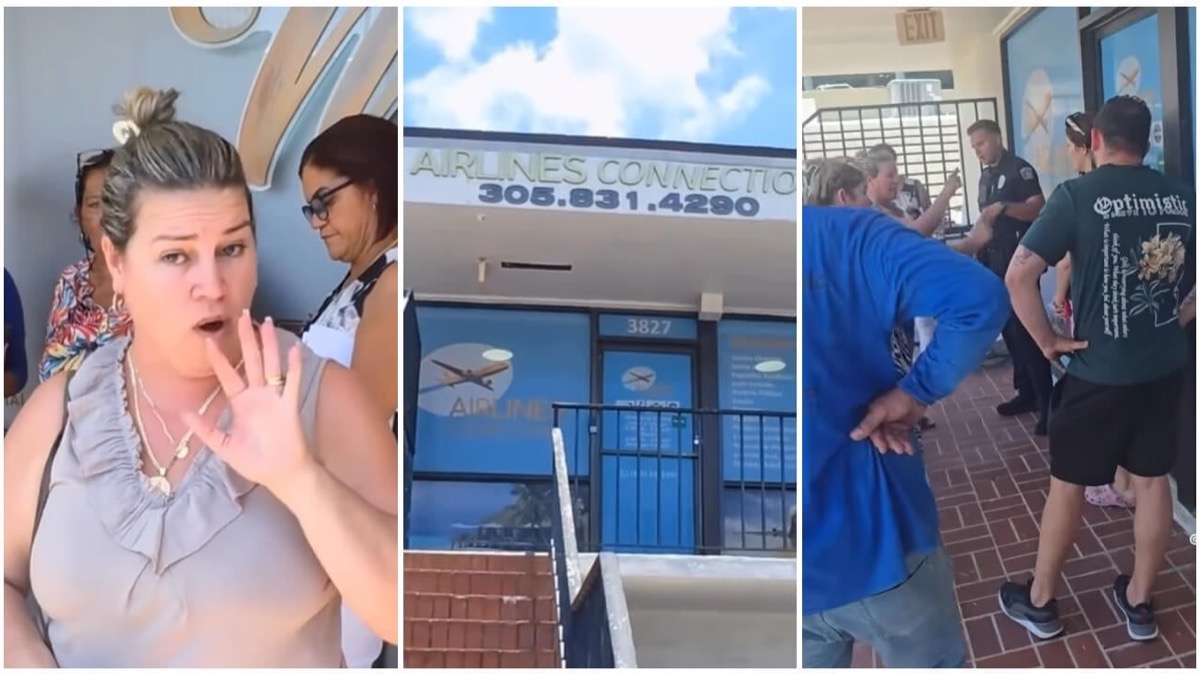
Cubans protest in Miami against Airlines Connections for alleged scam: they demand up to $20,000 in packages to Punta Cana
- World
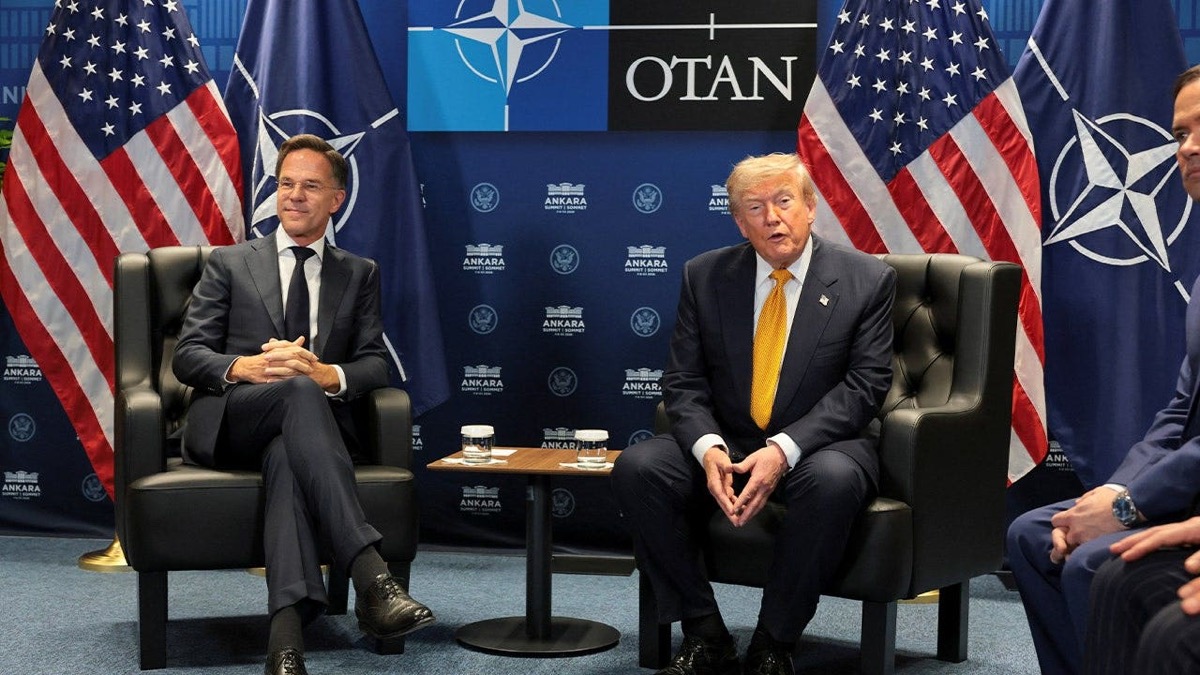
Trump declares the ceasefire with Iran over, orders new attacks in Hormuz and demands cutting trade with Spain in NATO
- Culture
Harry Potter on HBO: complete guide to the series (not yet released and already renewed for T2), dates, cast and controversies
- Culture
DUK App: Aly Sánchez launches her habits app "one day at a time" with a 63-day program
- Culture
I'm Edgy and Edgy Labs: From Nebraska's Walmart to a beef tallow cream brand that sells across the US.
- Culture
The Evening of the Year VI: all the winners, fights and performances of the Ibai night in Seville
- World
The FBI is investigating the AFA for alleged fraud and money laundering: about $300 million in sponsorships and operations in the US.
- World
El Cangrejo: profile of Raúl Guillermo Rodríguez Castro, Raúl Castro's grandson between GAESA, leaked luxuries and the first interview of 2026