El orfanato (The Orphanage, 2007) is the debut feature of J.A. Bayonaand one of the titles that consolidated the reputation of Guillermo del Toro as a producer of Ibero-American talent in the fantasy genre. Spanish-Mexican co-production written by Sergio G. Sánchez and starring Belén Rueda, the film was the most seen in Spanish theaters in 2007 and has become a modern classic of gothic horror.
What's it about
Laura (Belén Rueda) returns with her husband Carlos (Fernando Cayo) and her adopted son Simón (Roger Príncep) to the orphanage on the coast where she spent part of her childhood. They want to convert it into a residence for sick children, but Simón — who already has health problems — begins to talk about an “invisible Tomás” and about playing with children that only he sees. When Simón disappears during a party, Laura enters a spiral of mourning, investigation and phenomena that defy reason. Geraldine Chaplin completes the cast as the medium Aurora.
Video: official trailer
Studiocanal official trailer: Laura (Belén Rueda) and the mystery of the orphanage where she grew up. Source: Studiocanal UK — YouTube · Trailer in Spanish
The role of Guillermo del Toro
Bayona met del Toro at the Sitges Festival, when the Mexican presented Cronos. When the young director showed him the script for The Orphanage — written by Sánchez in 1996 — del Toro agreed to co-produce and double the budget and shooting time so that Bayona could shoot the film as he imagined it. He did not direct or write the film, but his imprint is in the commitment to emotion over cheap gore and in the Catholic-fantastic sensibility that he shares with The Devil's Backbone or Pan's Labyrinth.
The success of El orfanato opened the door to Bayona's international career (Imposible, Jurassic World: Fallen Kingdom, Society of the Snow) and reinforced the network of Hispanic filmmakers in the genre alongside Amenábar and del Toro himself.
Premiere and reception
It was screened at Cannes 2007 (Critics Week) and received an ovation lasting more than ten minutes. In Spain it triumphed at the box office and critics; Internationally it raised close to 80 million dollars. New Line Cinema bought the rights to an American remake.
Featured awards
- Goya Awards 2008 (7 wins): best new director (Bayona), best original script (Sánchez), artistic direction, production direction, makeup and hair, sound and best special effects.
- José María Forqué Award 2008: best film.
- Oscar candidacy: Spain chose it to represent it in best international film before its commercial release, although it did not enter the final shortlist.
- Total: 31 awards and more than 30 international nominations according to records from the Film Academy and IMDb.
Where to see it
- Streaming: rotating availability on platforms such as Prime Video, Filmin or Movistar+ depending on the country; consult JustWatch.
- Digital rental: Apple TV, Rakuten TV and Google Play in most Hispanic markets.
- Physical edition: Blu-ray and DVD with making-of extras in Warner and Studiocanal editions.
In summary
Is it by Guillermo del Toro? He did not direct it, but without his executive production the film probably would not have had the same scope. Is it horror? Yes, but sadder than bloody: a story of mother and son with roots in Spanish Gothic cinema. Why watch it? Because in 2007 it condensed everything that Ibero-American genre cinema did better than Hollywood: atmosphere, character and an ending that is still being debated.
Most read
What readers are engaging with right now.
- Culture
Goose, the gay app that competes with Grindr, reaches the top 4 of Lifestyle in the App Store

- World
Cubans protest in Miami against Airlines Connections for alleged scam: they demand up to $20,000 in packages to Punta Cana

- World
Trump declares the ceasefire with Iran over, orders new attacks in Hormuz and demands cutting trade with Spain in NATO

- Culture
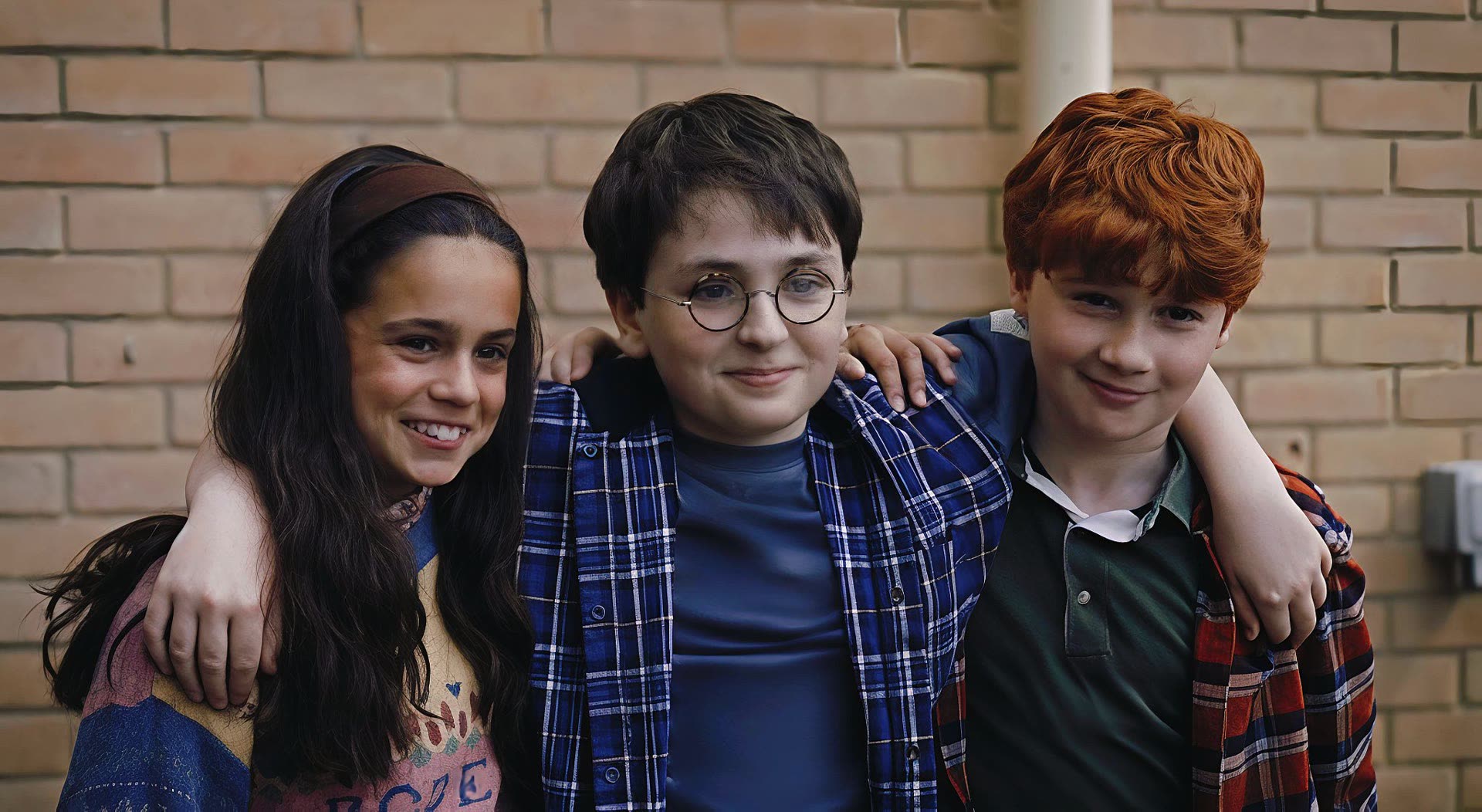
Harry Potter on HBO: complete guide to the series (not yet released and already renewed for T2), dates, cast and controversies
- Culture
DUK App: Aly Sánchez launches her habits app "one day at a time" with a 63-day program

- Culture
I'm Edgy and Edgy Labs: From Nebraska's Walmart to a beef tallow cream brand that sells across the US.

- Culture
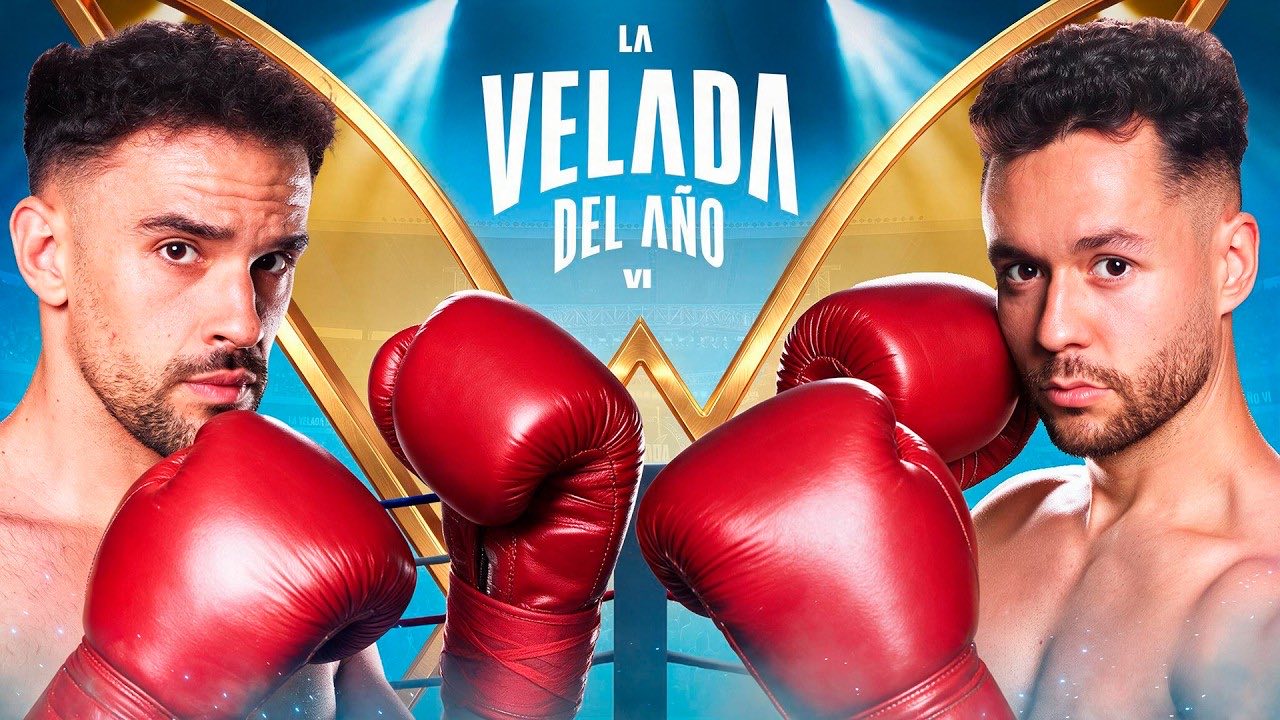
The Evening of the Year VI: all the winners, fights and performances of the Ibai night in Seville
- World
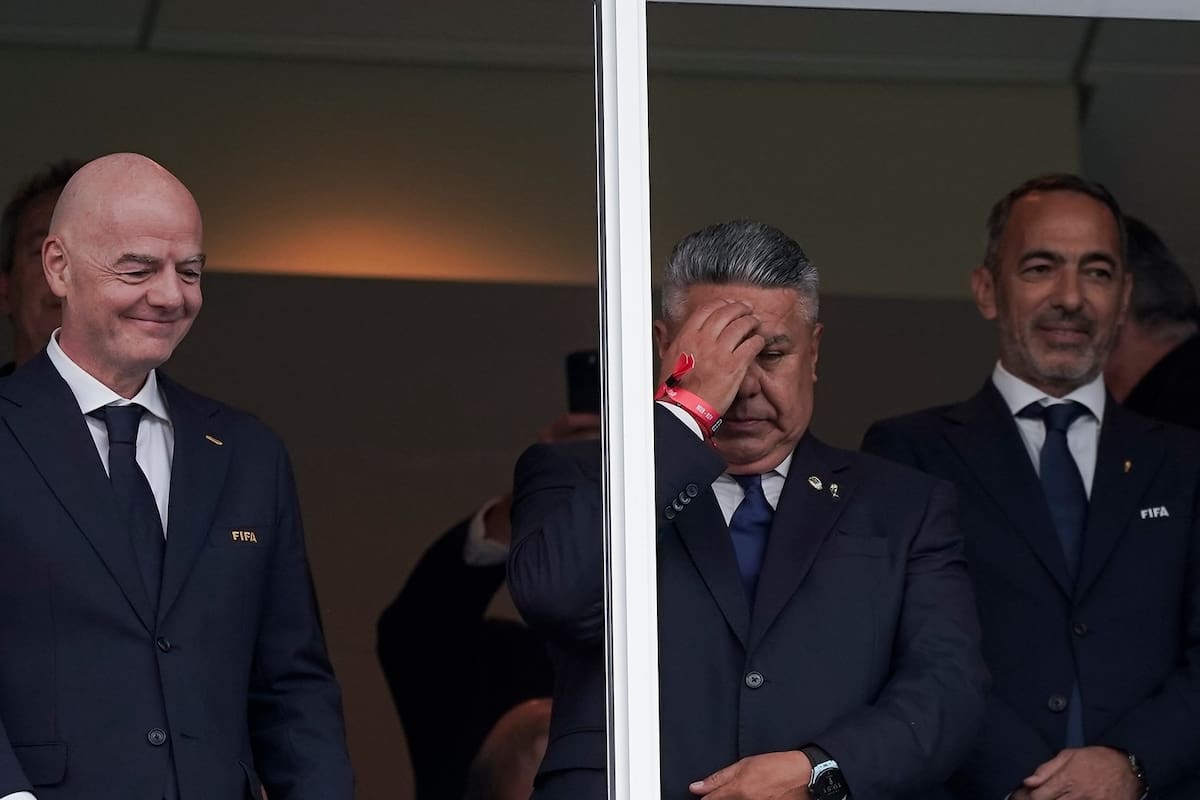
The FBI is investigating the AFA for alleged fraud and money laundering: about $300 million in sponsorships and operations in the US.
- World
El Cangrejo: profile of Raúl Guillermo Rodríguez Castro, Raúl Castro's grandson between GAESA, leaked luxuries and the first interview of 2026