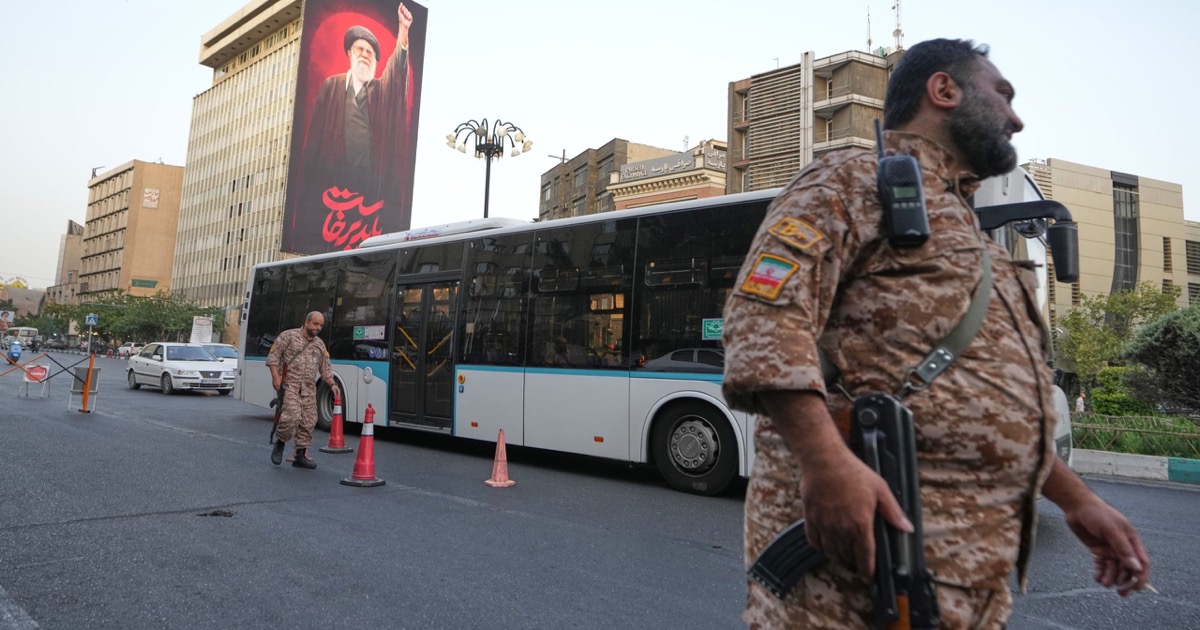
The conflict between the United States and Iran drags on in a “neither war nor peace” limbo: neither side is able to completely deter the other, but both prefer this stalemate to political capitulation or all-out war. That is the central reading of IntelBrief of July 13, 2026 from The Soufan Center (No End to the U.S.-Iran War in Sight), which focuses on the traffic jam in the Strait of Hormuz and the failure of the memorandum of understanding (MOU) signed in June.
Video: US strikes as Iran declares Hormuz closed
Coverage of the new cycle of attacks after the Iranian announcement about the Strait of Hormuz. Source: YouTube — US strikes / Hormuz
Why the June MOU did not close the crisis
According to The Soufan Center, the June MOU did not reconcile the strategic objectives of Washington and Tehran: it did not open a clear path to a permanent agreement nor eliminate the risk of a return to open war. In practice, the ambivalent text on Hormuz – “free” safe passage for a limited period and dialogue with Oman and other Gulf states on the future administration of the strait – has been interpreted in opposite ways. Media such as Al Jazeera and ABC News document the same dispute: Tehran claims routes and protocols under its control; The US insists on a free international corridor.
Hardliners, Khamenei's funeral and the closure of the strait
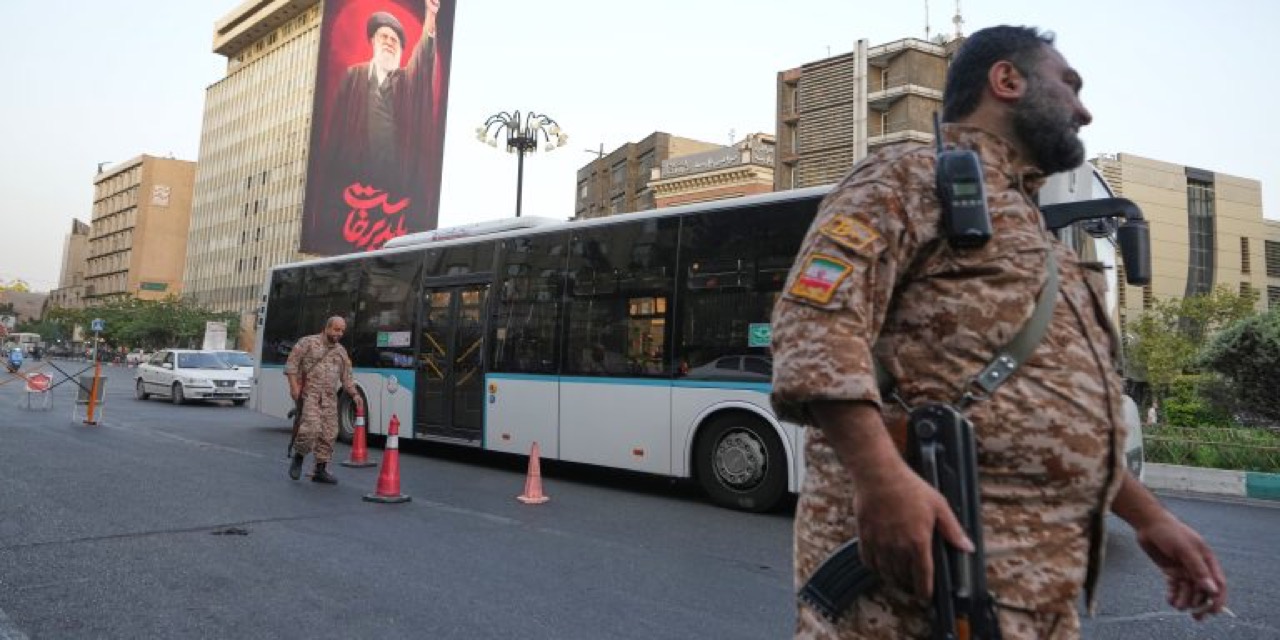
The IntelBrief places the latest cycle of violence in the insistence of Islamic Revolutionary Guard Corps (IRGC) hardliners to retain control over Strait traffic. On Tuesday and again on Saturday, IRGC units attacked commercial vessels attempting to transit routes close to the Omani coast, with a degree of US Navy protection, without coordinating with Iran.
On Saturday, in parallel to these attacks, the IRGC announced that the strait was "closed until further notice", which - according to the analysis - undermined diplomacy between Minister Abbas Araghchi and Oman. The Soufan Center connects the moment with the funeral of Ayatollah Ali Khamenei and a message from his son and successor, Mojtaba Khamenei, who did not attend the ceremonies but spoke of "revenge" as a national demand. The report does not rule out that sectors of the IRGC formulate that line on its behalf.
Washington's response: fire, sanctions and a strategic alley
Faced with the attacks on ships, President Donald Trump declared the ceasefire “over” and ordered increased retaliation, including the bombing of coastal civilian infrastructure (bridges and energy facilities). On Saturday, the IntelBrief says, the US hit some 140 targets concentrated on the Iranian coast – the largest package since the signing of the MOU – and reactivated sanctions that blocked the sale of Iranian oil and collection in dollars. On Friday, the Treasury sanctioned financial facilitator Ali Ansari, in tension with the MOU clause that limited further economic sanctions.
Iran responded with missiles against US bases in the Gulf States - except Saudi Arabia - and in Jordan; on Sunday he added a barrage on targets in Kuwait. Regional observers were surprised, according to the text, that Qatar and Oman – mediators – also received fire. US officials told reporters that indirect "technical talks" would continue, but The Soufan Center believes it is unlikely to resume formal meetings until Hormuz is resolved.
Former advisor Richard Haass summarizes US policy as a “strategic dead end”: neither economic incentives nor escalation acceptable to Congress or public opinion seem capable of forcing a free strait and strict nuclear limits. Vice President JD Vance summarized the tactical line – “if they shoot at the ships, we are going to hit them with everything” – without explaining, the brief notes, why another round of punishment would change the Iranian calculation.
Who wants to negotiate (and what Oman proposes)
In contrast to the hardliners, the report points out that a good part of the Iranian civilian government—President Masoud Pezeshkian and Majles Speaker Mohammad Bagher Ghalibaf—advocates negotiating to alleviate the suffering of the population and recover sanctions relief. In Muscat, Araghchi would have supported a two-route Omani scheme (Iranian coast and Omani coast); IRGC attacks that same day diluted the proposal.
The Soufan Center concludes that, without unblocking Hormuz, the nuclear talks—frozen since the MOU—have little prospects: if Tehran does not comply with the immediate exchange (financial benefits in exchange for reopening the strait), it expects little from a much more complex nuclear agreement. Contemporary coverage from BBC and Al Jazeera confirm the collapse in traffic and the cycle of attacks on oil tankers after the June mark.
Breaking: IntelBrief Soufan (Jul 13): US and Iran trapped in 'neither war nor peace' over Hormuz; June MOU without strategic closure.
In summary
What does The Soufan Center say? That stagnation can last indefinitely. Why? Iranian hardliners prioritize Hormuz over engagement; Washington has no politically viable escalation to change that calculus. What happened this week? Attacks on ships, announcement of closure of the strait, massive US retaliation, reimposed sanctions and regional mediation without a shared formula.
Most read
What readers are engaging with right now.
- Culture
Goose, the gay app that competes with Grindr, reaches the top 4 of Lifestyle in the App Store

- World
Cubans protest in Miami against Airlines Connections for alleged scam: they demand up to $20,000 in packages to Punta Cana
- World
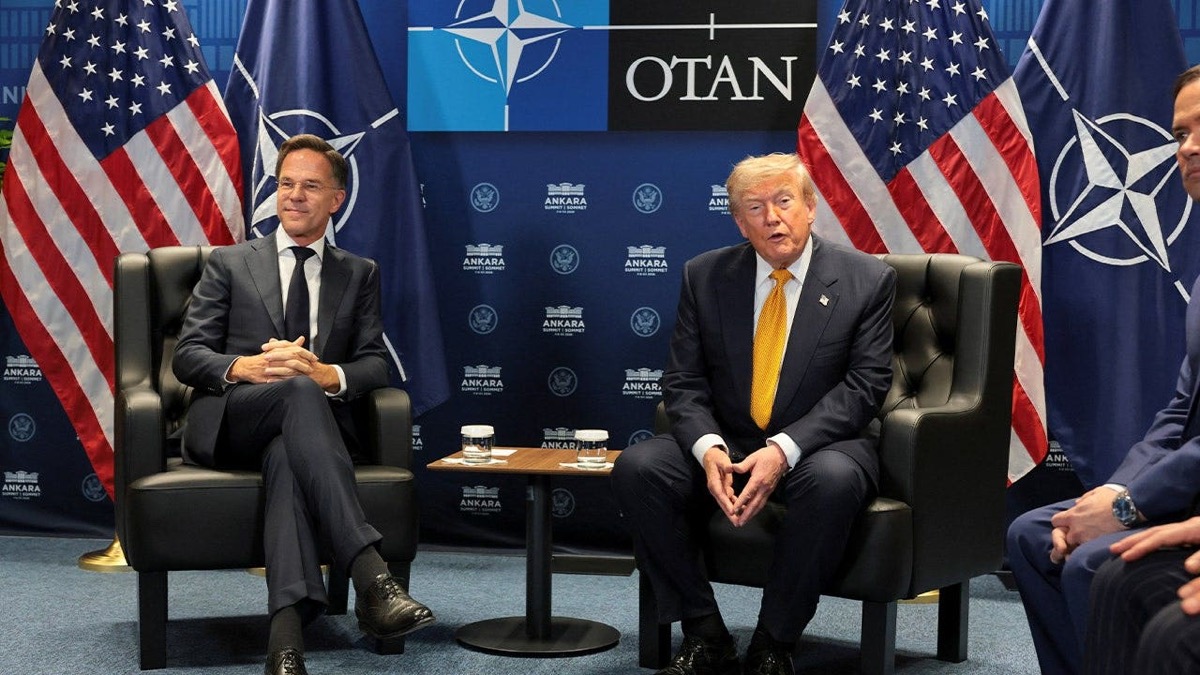
Trump declares the ceasefire with Iran over, orders new attacks in Hormuz and demands cutting trade with Spain in NATO
- Culture
Harry Potter on HBO: complete guide to the series (not yet released and already renewed for T2), dates, cast and controversies

- Culture
DUK App: Aly Sánchez launches her habits app "one day at a time" with a 63-day program

- Culture
I'm Edgy and Edgy Labs: From Nebraska's Walmart to a beef tallow cream brand that sells across the US.

- Culture
The Evening of the Year VI: all the winners, fights and performances of the Ibai night in Seville

- World
The FBI is investigating the AFA for alleged fraud and money laundering: about $300 million in sponsorships and operations in the US.
- World
El Cangrejo: profile of Raúl Guillermo Rodríguez Castro, Raúl Castro's grandson between GAESA, leaked luxuries and the first interview of 2026