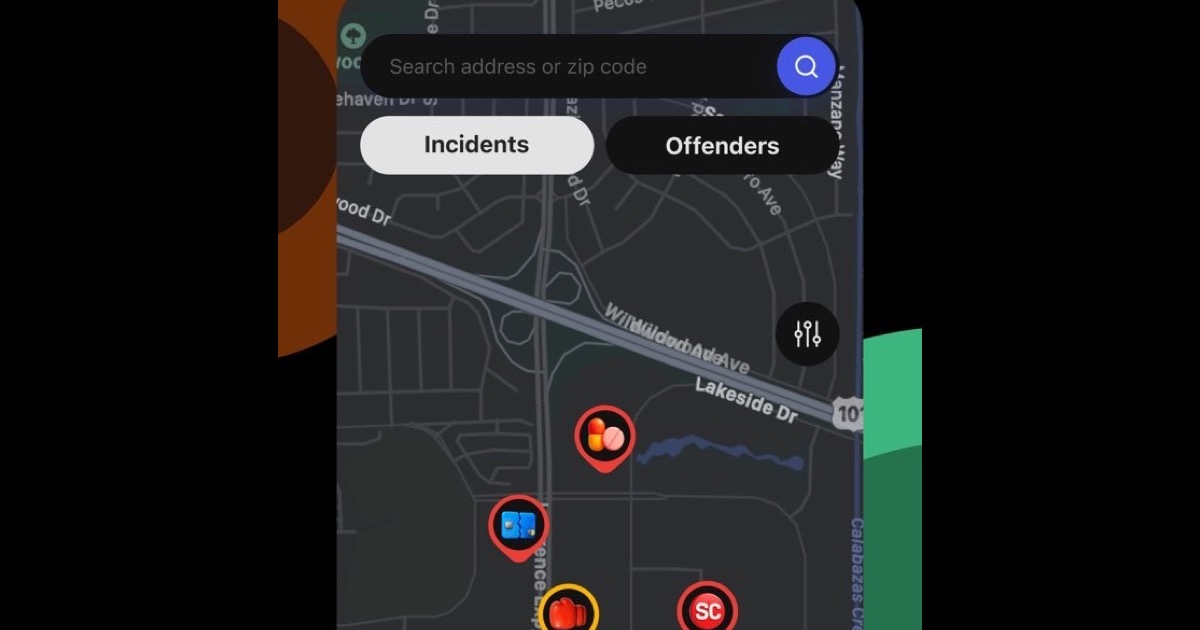
If you open uscrimeradar.com/locations you will see a grid with the 50 US states and the District of Columbia, each with its icon and link to a state page — for example Florida, which in turn displays cities and counties. It is not a static directory: it is the web gateway to CrimeRadar, the app from Scoopz Inc. that converts public audio from emergency dispatches into maps, headlines and push notifications generated by artificial intelligence.
How the platform works
According to CrimeRadar's About page, the service monitors live audio from emergency dispatches in the United States and uses AI to generate instant incident summaries. Each post links to the original audio (Broadcastify-type sources or other public scanner feeds) so the user can verify the context. The value proposition is situational awareness: knowing what is happening nearby – forest fires, traffic accidents, police calls – without depending only on late headlines.
In the app, the App Store listing describes four pillars: security alerts based on dispatch audio, interactive map with clear language, customizable filters (what types of incident to see on the map, alerts and activity log) and the possibility of listening to the original radio by pressing any activity. The recent version (26.23.1 as of early July 2026) only mentions bug and performance fixes; the mature product is in the map + audio experience, not a big release announcement.
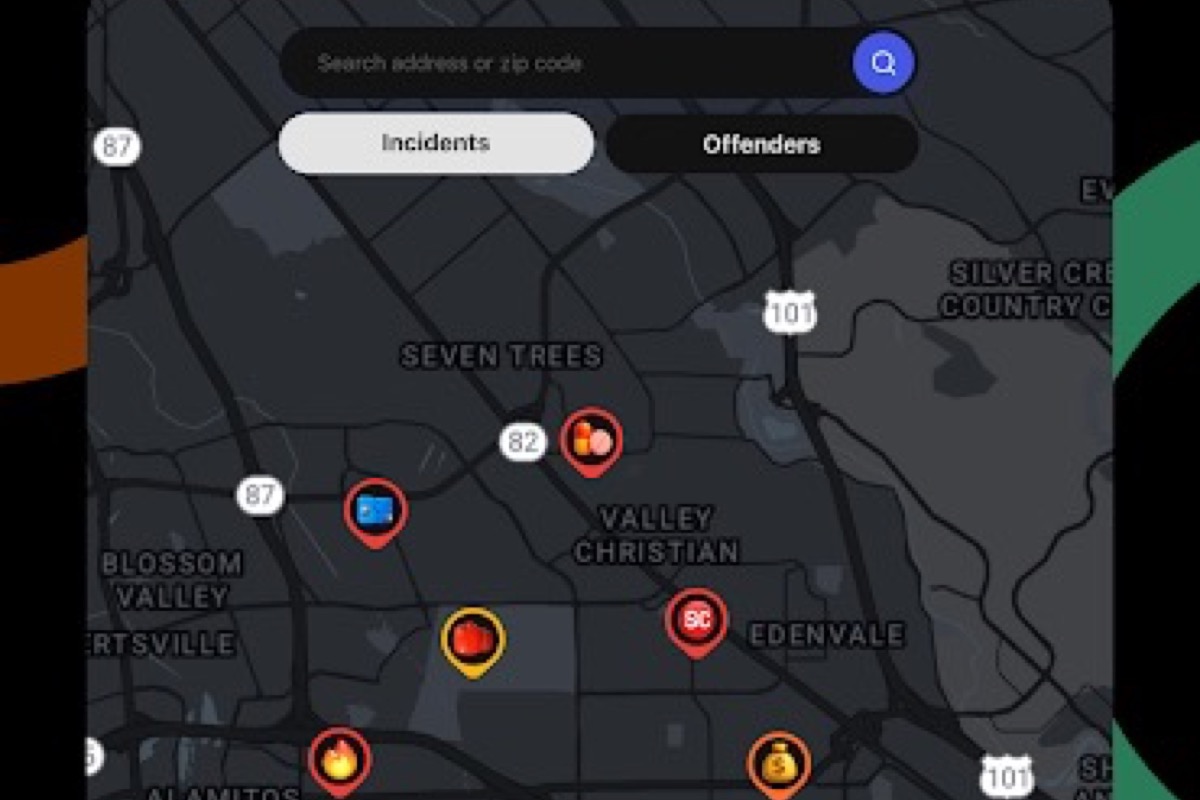
The /locations page: browse by state and city
The URL /locations serves as a national gazetteer. Each chip —New Jersey, Texas, California, etc.— leads to a route of type /locations/florida-state with the list of municipalities covered. It is the same structure that the website uses for local SEO and to push the download of the app ("Open in App" on each page). For those who investigate coverage before installing, it is the most direct resource: confirm if your state appears and explore the breakdown by city without creating an account.
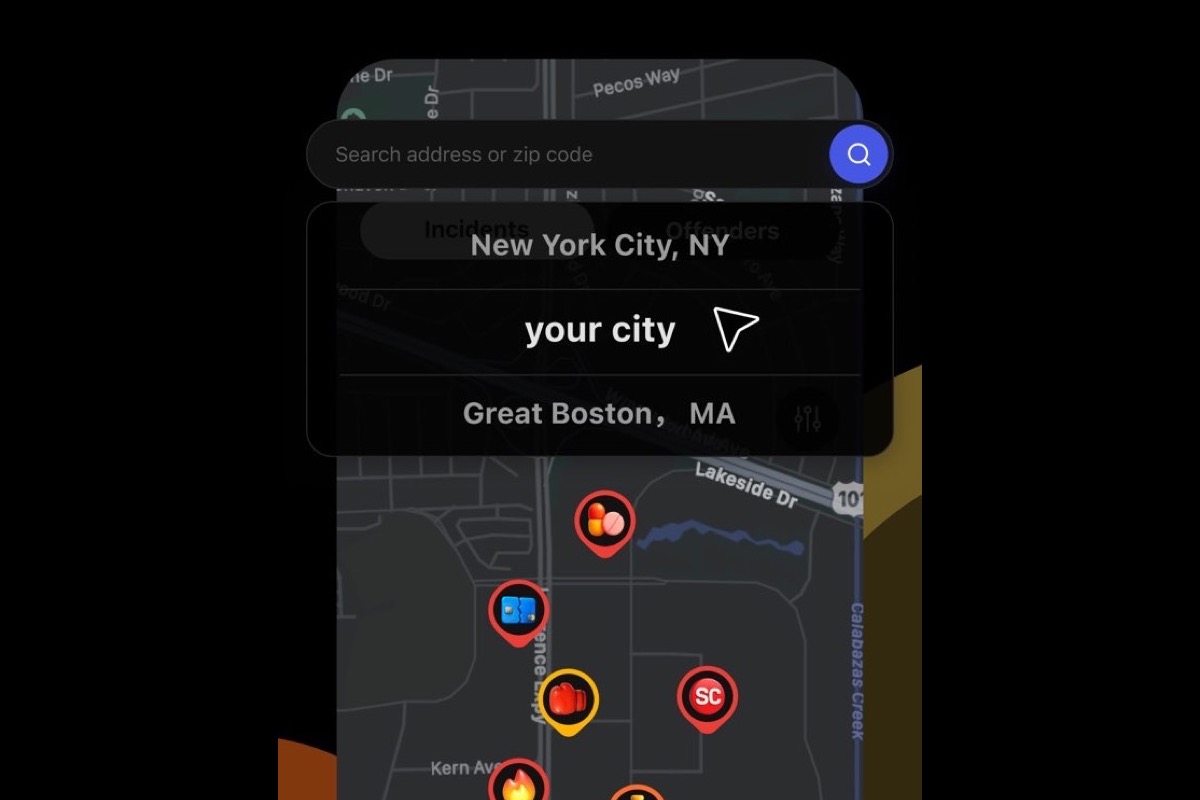
The FAQ clarifies that CrimeRadar aggregates more than 10,000 cities and regions, but actual availability depends on whether there are public scanner feeds in each area. Not all rural areas have the same density of coverage as a large city with a well-digitized fire and police department.
Price, privacy and legal limits
CrimeRadar is free to download and use, with in-app purchases: CrimeRadar Premium for $9.99 per month or $79.99 per year (US App Store listing prices). The footer of the website repeats the disclaimer: the content is for situational awareness only, it does not constitute an official report, verified record or legal determination; Transcripts and headlines are automatically generated from the audio.
The FAQ is explicit on several points that should be kept in mind:
- CrimeRadar does not independently verify live dispatch information.
- Data may be incorrect, incomplete or change as the incident evolves.
- Scanner audio laws vary by state and locality; The user is responsible for complying with local regulations.
- CrimeRadar does not represent or operate in partnership with law enforcement agencies.
- Does not support searching for specific people; Incidents are kept for a maximum of 14 days.
Controversy over false alerts (end of 2025)
The rise of CrimeRadar has not been without criticism. By the end of 2025, outlets like The Shib Daily and fact-checkers like BBC Verify documented cases where automated transcription misinterpreted radio phrases — for example, in Bend, Oregon, where AI read “man down alarm” and “shot with the cop” and triggered a shooting alert that was actually an officer who mistakenly activated an alarm during a “Shop With the Cop” charity event. The company apologized and announced improvements to audio processing and tools for agencies and users to provide corrections.
Video: Ohio police departments warn of false alerts
Local coverage of police warnings regarding misleading information spread by CrimeRadar in Northeast Ohio communities. Source: YouTube
This episode does not invalidate the state map or the usefulness of the directory /locations, but it does reinforce the official recommendation of the app itself: listen to the original audio and compare it with verified news or local authorities before spreading or acting on an alert.
For whom does it make sense?
CrimeRadar fits the bill if you want a hyperlocal radar of emergency activity in the US—residents, family members checking on seniors, citizen journalists, or drivers avoiding incident areas—and accept its unverified nature. The status page is the first step to check coverage; The app adds the map, the pushes and the raw audio. It does not replace a traditional scanner or official communications from your county sheriff or fire department.
Most read
What readers are engaging with right now.
- Culture
Goose, the gay app that competes with Grindr, reaches the top 4 of Lifestyle in the App Store
- World
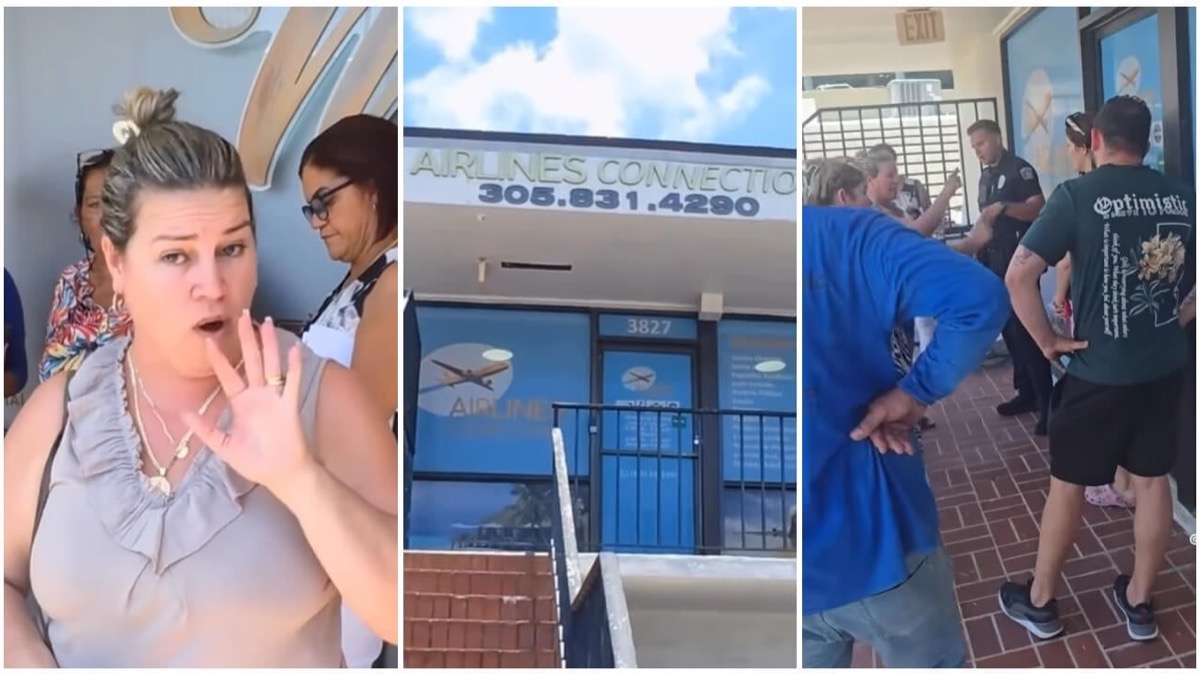
Cubans protest in Miami against Airlines Connections for alleged scam: they demand up to $20,000 in packages to Punta Cana
- World
Trump declares the ceasefire with Iran over, orders new attacks in Hormuz and demands cutting trade with Spain in NATO

- Culture
Harry Potter on HBO: complete guide to the series (not yet released and already renewed for T2), dates, cast and controversies

- Culture
DUK App: Aly Sánchez launches her habits app "one day at a time" with a 63-day program
- Culture
I'm Edgy and Edgy Labs: From Nebraska's Walmart to a beef tallow cream brand that sells across the US.

- Culture
The Evening of the Year VI: all the winners, fights and performances of the Ibai night in Seville

- World
The FBI is investigating the AFA for alleged fraud and money laundering: about $300 million in sponsorships and operations in the US.

- World
El Cangrejo: profile of Raúl Guillermo Rodríguez Castro, Raúl Castro's grandson between GAESA, leaked luxuries and the first interview of 2026