On June 19, Emma (@AI_CreatorX) shared on X a structured prompt for GPT Image 2 in ChatGPT. The scene combines magic realism and workshop aesthetics: a giant spiral notebook on a dark wooden table, a hyperrealistic graphite portrait on the paper and the reference subject emerging from the two-dimensional drawing with torn paper edges, scattered charcoal pencils and a warm industrial lamp.
AI Prompt · How to do it
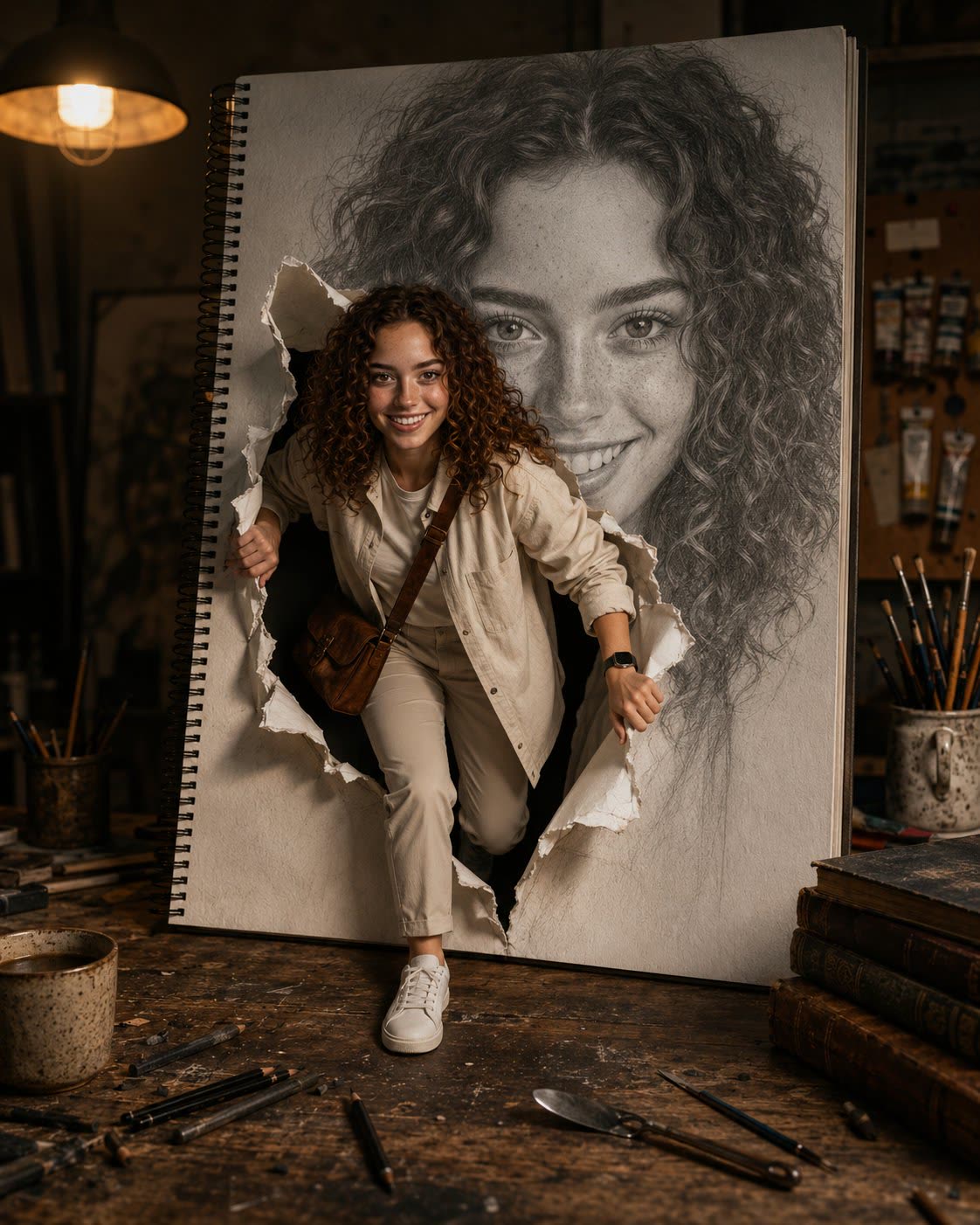
Result published in the original thread. @AI_CreatorX
Steps
- Open chatgpt.com with GPT Image 2.
- Upload a clear reference photo of the subject (face and torso visible).
- Paste the main prompt in English.
- Ask for 4:5 format if the model does not respect it; Adjust pronouns and clothing to the subject of your reference.
Prompt to copy
In the center of the frame, a massive oversized spiral-bound sketchbook stands vertically on a rustic, weathered dark wooden workbench. On the paper is a giant hyper-realistic graphite pencil sketch portrait of the same person from the reference image. In a surreal, mind-bending moment, the thick sketchbook paper is violently torn open from the inside, creating jagged white-edged rips. The person is captured mid-motion stepping out of the two-dimensional drawing into the real three-dimensional world. Their right hand firmly grips the torn paper edge while one foot is planted on the wooden table and the other is still emerging from the sketchbook. Preserve the exact facial features, hairstyle, glasses, beard, smile, and likeness of the reference person with high identity consistency. He is dressed in a premium monochromatic beige outfit: a light beige textured overshirt worn open over a cream crew-neck t-shirt, slim-fit beige trousers, clean white leather sneakers, a brown leather crossbody sling bag across the chest, and a black digital watch on the left wrist. Cinematic dramatic lighting from a single warm industrial overhead lamp casts long shadows and creates a moody high-contrast atmosphere. The surrounding workbench contains scattered charcoal pencils, graphite sticks, sketching tools, a speckled ceramic coffee mug, vintage leather-bound books, and a metal artist palette knife. In the softly blurred background, a corkboard displays paint tubes and artist notes, while a ceramic jar holds assorted paintbrushes. Ultra-detailed textures, photorealistic skin, realistic paper tears, shallow depth of field, volumetric lighting, professional photography, masterpiece quality, high dynamic range, 8K resolution, creative intensity, art-to-reality transition, magical realism.
Negative prompt (optional)
low resolution, blurry face, distorted features, extra fingers, extra limbs, duplicate person, inaccurate likeness, cartoon, anime, CGI look, overexposed, underexposed, bad anatomy, deformed hands, warped glasses, cropped feet, floating objects, unrealistic paper tear, watermark, text, logo, frame, oversaturated colors
We have corrected only pronouns and «person» in the main block for readability; the original mixed "women" and "He." Adjust clothing and features to your reference. Emma also indicated 4:5 ratio, 50mm lens and short depth of field.
What makes this prompt special
The trick is not just "photorealistic portrait": the composition requires a double narrative plane (2D sketch + 3D body), a credible torn paper texture and an artist environment loaded with concrete props (speckled ceramic mug, leather books, palette knife). That anchors the scene and reduces the generic result of “person floating in white studio.”
Emma also packages useful metadata—negative prompt, 4:5 ratio, 50mm lens—in almost JSON format, something common in accounts that optimize results in GPT Image 2. The thread exceeded 580 views, with 38 likes and 20 responses in the first hours.
Tips for better results
Use a reference with good front lighting and without harsh filters. If the model does not tear the paper well, repeat adding "jagged torn paper edges with visible paper thickness." For a darker look, turn up “moody high-contrast”; For a cleaner workshop, reduce the number of objects on the table.
Before publishing
Scenes generated from real photos may involve image rights. Do not use other people's faces without permission. Review OpenAI's policies for synthetic content and commercial use.
Most read
What readers are engaging with right now.
- Culture
Goose, the gay app that competes with Grindr, reaches the top 4 of Lifestyle in the App Store

- World
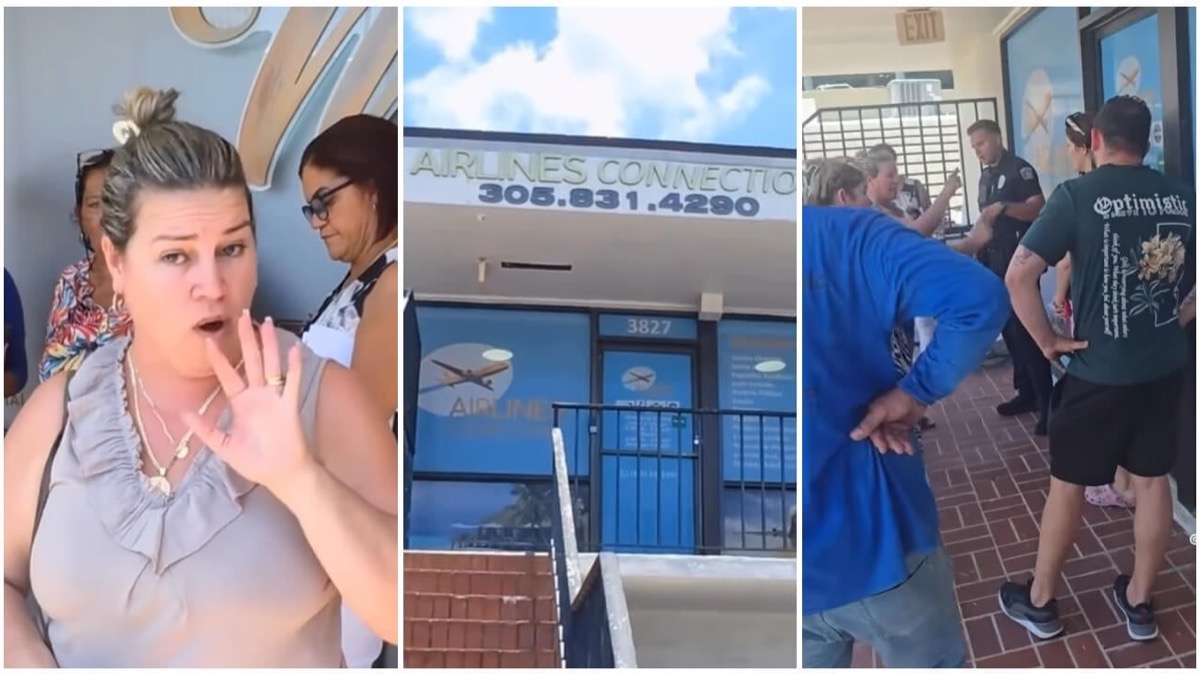
Cubans protest in Miami against Airlines Connections for alleged scam: they demand up to $20,000 in packages to Punta Cana
- World
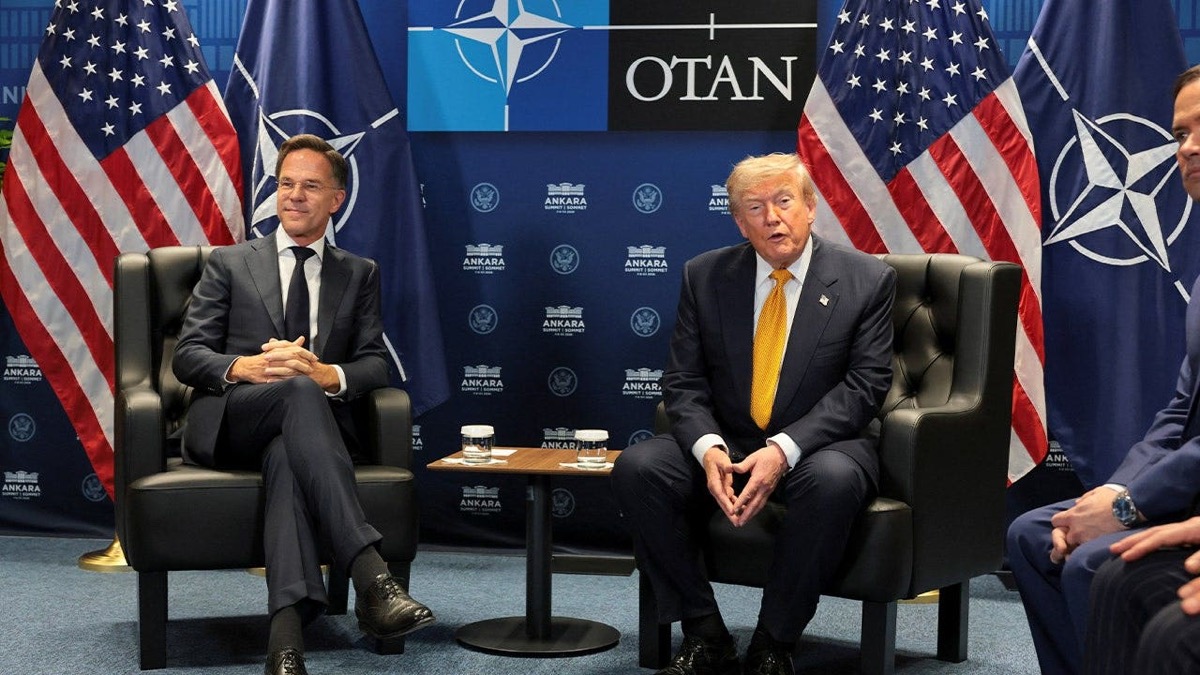
Trump declares the ceasefire with Iran over, orders new attacks in Hormuz and demands cutting trade with Spain in NATO
- Culture
Harry Potter on HBO: complete guide to the series (not yet released and already renewed for T2), dates, cast and controversies
- Culture
DUK App: Aly Sánchez launches her habits app "one day at a time" with a 63-day program
- Culture
I'm Edgy and Edgy Labs: From Nebraska's Walmart to a beef tallow cream brand that sells across the US.
- Culture
The Evening of the Year VI: all the winners, fights and performances of the Ibai night in Seville
- World
The FBI is investigating the AFA for alleged fraud and money laundering: about $300 million in sponsorships and operations in the US.
- World
El Cangrejo: profile of Raúl Guillermo Rodríguez Castro, Raúl Castro's grandson between GAESA, leaked luxuries and the first interview of 2026