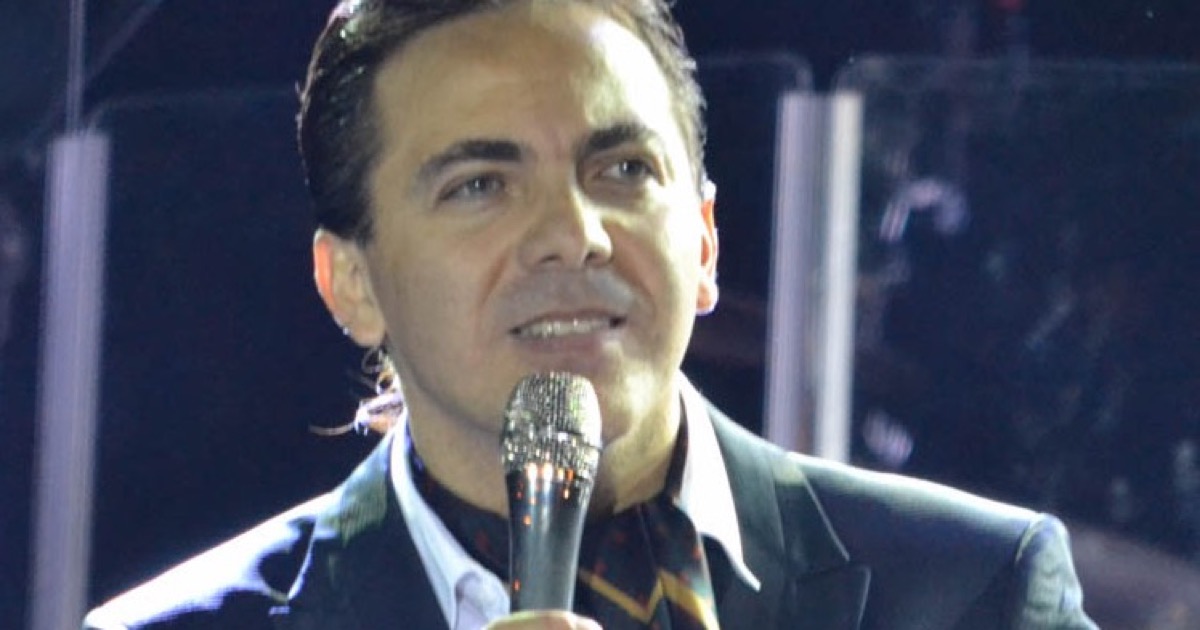
Cristian Castro grew up on stage before having an adult voice: soap operas, children's musicals and the Juguemos a Cantar contest preceded Agua Nueva (1992), the album that made him a teenage idol in Latin America. Three decades later, with more than 12 million records sold and a vocal technique that Juan Gabriel summed up in one phrase—"the man with the most abilities to sing in Mexico"—he continues to be a reference for romantic pop in Spanish. This profile, the eighth of Voices that make magic, reviews what makes his instrument unique—light tenor, powerful treble, precise phrasing—and why songs like Azul and Volver a Amar continue to be a litmus test for any singer. It complements our analysis of Luis Miguel: two generations of Mexican ballads, two ways of mastering the treble.
Video: Return to Love — official video clip
1997 ballad produced by Kike Santander: its official video clip on CristianCastroVEVO exceeds 152 million views. It showcases the luminous timbre, controlled vibrato and clean highs that defined the golden era of 90s Latin pop. Source: CristianCastroVEVO
Voice: light tenor with treble head and falsetto
Cristian Castro is a light tenor—high range, bright timbre, ease in high notes—with a vocal range estimated at about 3.2 octaves (from G#2 to B5 in study), according to documentation from voice specialists cited by Fama Hiring. His technique combines head voice mixed with falsetto, which allows him to sustain E5 and F#5 with power and reach up to C6 live —documented at the Festival del Huaso de Olmué (Chile, 2015) performing No Podemos.
At the age of 16, he began formal studies with Seth Riggs—the Speech Level Singing teacher who trained Michael Jackson—and with Emilio Pérez Casas, according to the same source. This base explains the precision of the phrasing, the control of breathing and the high arpeggios that appear in ballads like Es Mejor Así or Así Es el Calor (where it reaches B5 in studio). His main declared influence is José José; In bolero and mariachi he also dialogues with the legacy of Luis Miguel, although his timbre is lighter and his upper register more explicit in pop.
Paradoxically, outside the romantic setting he confesses a love for rock and metal - Pink Floyd, Tool, Amon Amarth - which explains the occasional versatility towards pop rock in later albums. But his natural territory remains the ballad: long phrasing, dynamics that grow towards the climax and clear diction in Spanish —qualities that Juan Gabriel publicly recognized, according to biographies such as Popnable.
From Agua Nueva to Azul: romantic pop as a vocal laboratory
Agua Nueva (1992) presented him with a darker voice; in Un Segundo en el Tiempo (1993) he softened the timbre and reached number one on Billboard Hot Latin Songs with Siempre Voy a Olvidarte. The 90s consolidated hits that today are impossible karaoke standards: Por Amarte Así, Lloran las Rosas, Volver a Amar and Azul —the latter, one of the biggest hits of his career.
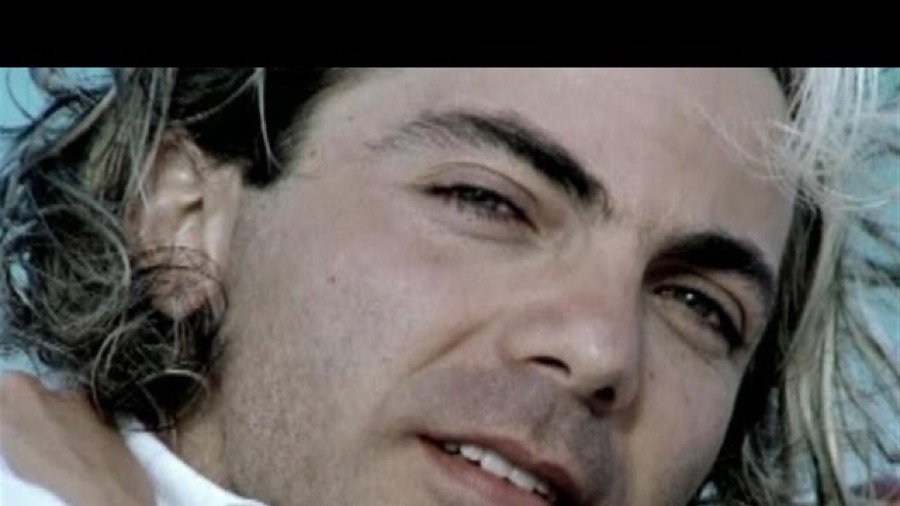
She worked with key Latin ballad producers—Kike Santander, Rudy Pérez, Richard Daniel Roman—and released mariachi and bolero albums that demonstrated that her voice is not dependent on synth pop. Live, projects like Primera Fila and tours through Argentina, Chile and Mexico confirm that the studio highs are sustained on stage —G5 in Amor Eterno, A5 in versions of Es Mejor Así, according to the vocal analysis cited in Fama Contrataciones.
Video: Azul — official video clip
Second most viewed video on his VEVO channel (~130.4 million). Azul (2001) condenses the Castro style of the 2000s: ascending melody, high-pitched climax and Latin pop production by Kike Santander. It is one of the songs that most singers cite as "difficult to match" due to the high harmonies of the chorus and the main line. Source: CristianCastroVEVO
Why it fits into Voices that Make Magic — and how it is read alongside Luis Miguel
In this series we have already analyzed Luis Miguel as a reference for live bolero and mariachi, and Bray On as an imitator who measures himself against that standard. Cristian Castro occupies the middle place: a contemporary of El Sol, trained in Western technique (Seth Riggs) and a specialist in pop ballad highs. It does not compete in scenic mystery or pure bolero legacy; competes in melodic virtuosity and in a catalog where each high chorus is a technical test.
That's why we include him along with Luis Miguel, Aitana, Zivert, Alexandra Crișan, Gabriel Henrique, Putri Ariani and Bray On: another way to understand what makes a voice magic in Spanish pop—not just the timbre, but the ability to sustain impossible lines with credible emotion for three decades in a row.
Repertoire that best shows your voice
- Volver a Amar — ballad 90; video clip above (~152.6M on YouTube).
- Azul — 2001 hit; video clip above (~130.4 M).
- Por Amarte Así — romantic standard; one of the most played songs in the Latin streaming catalog.
- Never Voy a Olvidarte — first number one on Hot Latin Songs (1993).
- You won't be able to / It's better this way — live acute tests (C6 and B5 documented).
- Mariachi and bolero repertoire — tribute albums that show symphonic projection and respect for the Mexican vernacular.
Series: This article is part of Voices that make magic and complements the profile of Luis Miguel. Listen: CristianCastroVEVO on YouTube and catalog on digital platforms.
In summary
Voice? Light tenor, bright timbre, powerful treble. Technique? Speech Level Singing, head-falsetto mix, ~3.2 octaves. YouTube? Volver a Amar (~152.6M) and Azul (~130.4M). Why does it matter? Three decades of Latin balladry with elite vocal training. Next step? More profiles in Voices that make magic.
Most read
What readers are engaging with right now.
- Culture
Goose, the gay app that competes with Grindr, reaches the top 4 of Lifestyle in the App Store

- World
Cubans protest in Miami against Airlines Connections for alleged scam: they demand up to $20,000 in packages to Punta Cana

- Culture
Harry Potter on HBO: complete guide to the series (not yet released and already renewed for T2), dates, cast and controversies

- World
Trump declares the ceasefire with Iran over, orders new attacks in Hormuz and demands cutting trade with Spain in NATO

- Culture
DUK App: Aly Sánchez launches her habits app "one day at a time" with a 63-day program

- Culture
I'm Edgy and Edgy Labs: From Nebraska's Walmart to a beef tallow cream brand that sells across the US.

- World
El Cangrejo: profile of Raúl Guillermo Rodríguez Castro, Raúl Castro's grandson between GAESA, leaked luxuries and the first interview of 2026

- World
Cuban regime terrorist Ramiro Valdés Menéndez dies

- World
Supreme Court, June 23, 2026: analysis of Tuesday's 5 rulings (and what each one implies)