Lara Fabian —stage name of Lara Sophie Katy Crokaert— is one of the most powerful voices to have crossed the border between French chanson and international pop. Trained at the Royal Conservatory of Brussels from the age of eight, naturalized Canadian and often compared to Céline Dion and Isabelle Boulay, her instrument is a three-octave lyrical soprano capable of sustaining dramatic belts, soul melismas and pianissimos that seem like opera whispers. With Pure (1997) he sold more than two million copies in France; with Adagio and Je t'aime he defined the vocal standard of French-speaking pop of the nineties. This profile, the eleventh of Voices that make magic, reviews what makes their technique unique and why their ballads continue to accumulate tens of millions of views on YouTube.
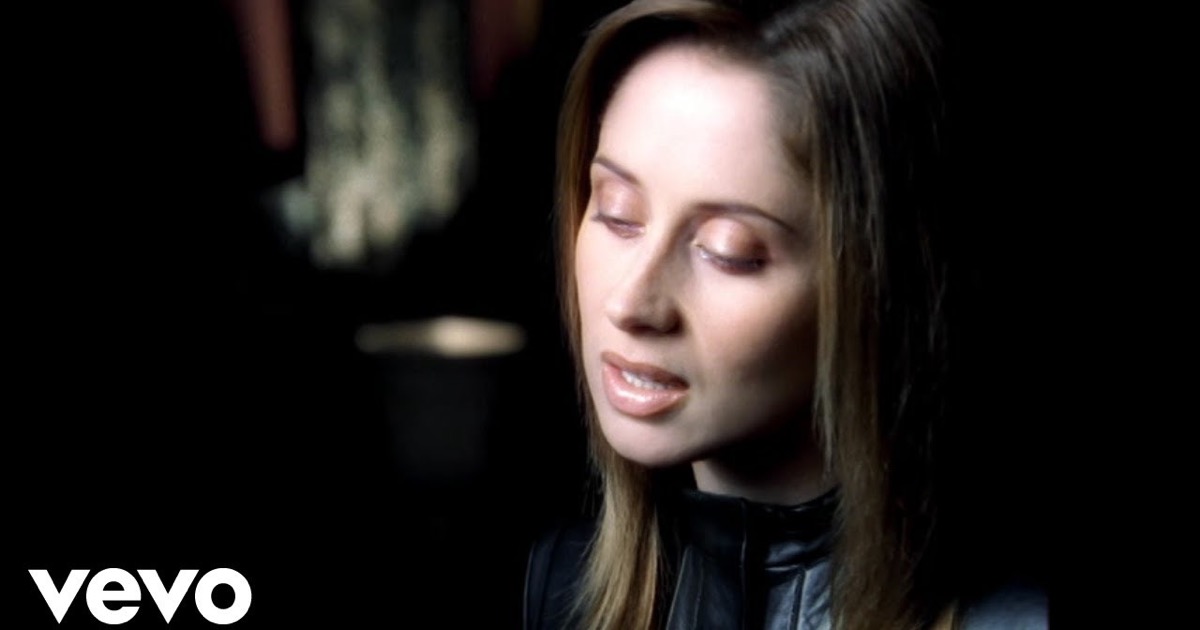
Video: Adagio — official video clip
Pop adaptation of Albinoni's adagio (lyrics by Laura Pausini): more than 66.6 million views on the LaraFabianVEVO channel. It shows the dark timbre of her soprano, the belt at the climax and the clean transition between chest and head register—traits that musicologist Catherine Rudent groups in the current of the "great Québécoise voices" with a soul heritage. Source: LaraFabianVEVO
Voice: lyrical soprano with dramatic belt and soul ornamentation
Lara Fabian is classified as a lyrical soprano with a range that Wikipedia places between C3 and G5 in live performances, with documented extensions towards C♯6 in studios and occasional concerts. It is not a coloratura of extreme agility like some opera sopranos: its magic is in the emotional projection — each phrase seems ripped from the chest with wide vibrato, dynamics that go from whisper to scream without losing pitch.
Technically, Fabian masters chest-to-head transitions with continuity of timbre—something that explains why he can sing pop ballads with the intensity of an aria. The musicologist Catherine Rudent, cited in Wikipedia, places her style in a current that she inherits from soul: vocal expressiveness takes precedence over the text, with ornamentation, improvisation and full use of low and high registers. Live – such as the Nue DVD (2002) or the performance at the World Music Awards in Monaco (2001) – you can hear the laryngeal control that allows high notes to be sustained without stridency.
He sings fluently in French, English, Italian and Spanish, expanding his audience beyond the French-speaking market. Her influences combine classical training (piano and composition in Brussels) with the aesthetics of the international ballad of the nineties—the same terrain where she competes with Céline Dion, whom she surpassed in early visibility in Europe with Pure while Dion conquered North America with Let's Talk About Love.

From Croire to Pure: the career that defined French pop
At 18, Fabian represented Luxembourg at Eurovision 1988 with Croire and came fourth — the winner was Céline Dion with Ne partez pas sans moi. After years of clubs in Brussels and modest singles, the album Carpe diem (1994) opened doors in Quebec; but the definitive leap was Pure (1997, Polydor France): platinum in less than two weeks, more than two million copies sold and five successful singles —Tout, Je t'aime, Humana, Si tu m'aimes and the anthem La Différence.
Video: Je t'aime — official audio
Central ballad from Pure (1997): more than 37.2 million views on Lara Fabian's official channel. Piano, strings and a voice that rises from the conversational register to the belt in the chorus — the song that millions associate with his name and that headlines the Je T'Aime World Tour (2025–2026). Source: Lara Fabian
In 1998 he performed at the Stade de France with Johnny Hallyday and embarked on a European tour. The albums Lara Fabian (1999, English), Nue (2001) and En toute intimité (2003) consolidated her international status. She has sold, according to different sources, between 12 and 20 million records—the best-selling Belgian artist in history. Félix Awards, Juno nominations, arena tours and collaborations with Andrea Bocelli, Josh Groban and Il Divo complete a resume that mixes pop, classical crossover and musical theater (Notre-Dame de Paris, Le Roi Soleil).
Repertoire that best shows your voice
- Adagio — pop-lyrical anthem; video clip above (~66.6M on VEVO).
- Je t'aime — ballad of Pure; video above (~37.2 M).
- Tout — first single from Pure; belt chorus with increasing dynamics.
- I Will Love Again — hit in English; demonstrates versatility outside of French.
- Caruso — Italian version; lyrical phrasing and sustained high notes.
- Direct Nue (2002) — Acoustic DVD where the voice without studio artifices reveals respiratory control.
Why it fits into Voices That Make Magic
Lara Fabian represents the pop voice with conservatory training: it is not pure opera or Latin ballad, but it shares with Luis Miguel or Cristian Castro the ability to fill a room with a single sustained. With Adele he shares the emotional weight of the belt; with Alexandra Crișan, classical training applied to contemporary repertoire. In the series, his profile opens the door to French-speaking pop and European crossover—another way of understanding the vocal magic when lyrical technique meets the author's song.
Series: This article is part of Voices that make magic. Listen: LaraFabianVEVO on YouTube and catalog on digital platforms via Sony/Universal/Warner.
In summary
Voice? Lyrical soprano, dark and warm timbre. Technique? Dramatic belt, chest-head transitions, soul ornamentation. YouTube? Adagio (~66.6 M) and Je t'aime (~37.2 M). Why does it matter? He defined the vocal standard of French pop in the nineties. Next step? More profiles in Voices that make magic.
Most read
What readers are engaging with right now.
- Culture
Goose, the gay app that competes with Grindr, reaches the top 4 of Lifestyle in the App Store

- World
Cubans protest in Miami against Airlines Connections for alleged scam: they demand up to $20,000 in packages to Punta Cana

- Culture
Harry Potter on HBO: complete guide to the series (not yet released and already renewed for T2), dates, cast and controversies

- World
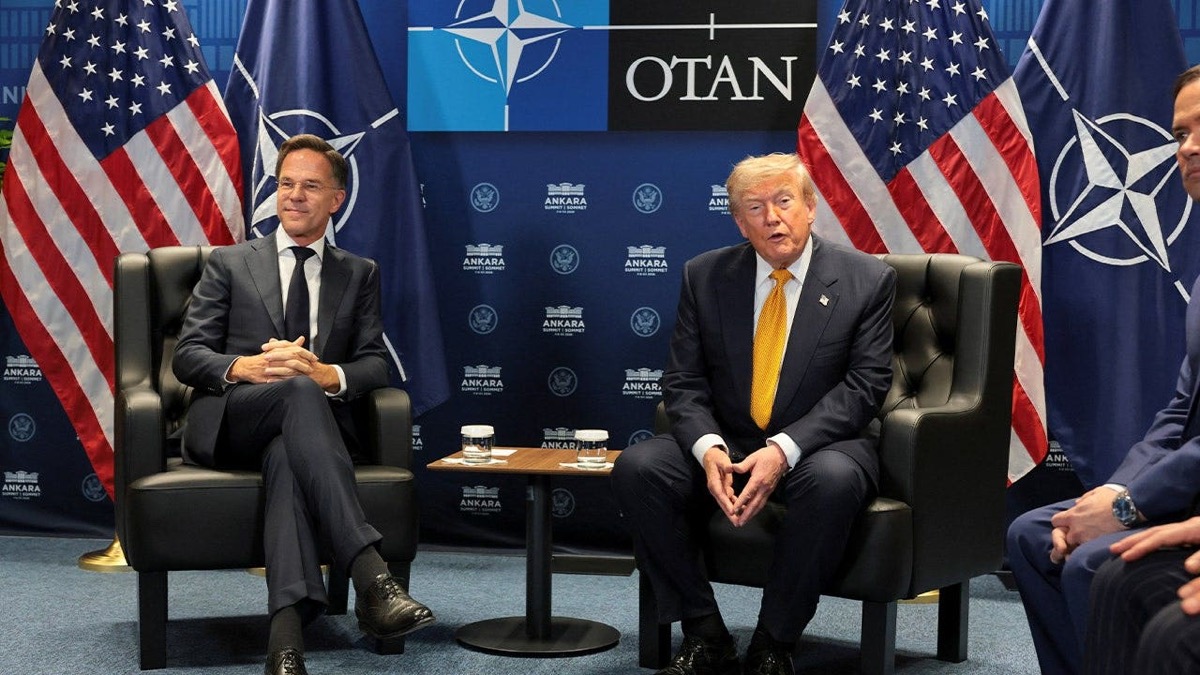
Trump declares the ceasefire with Iran over, orders new attacks in Hormuz and demands cutting trade with Spain in NATO
- Culture
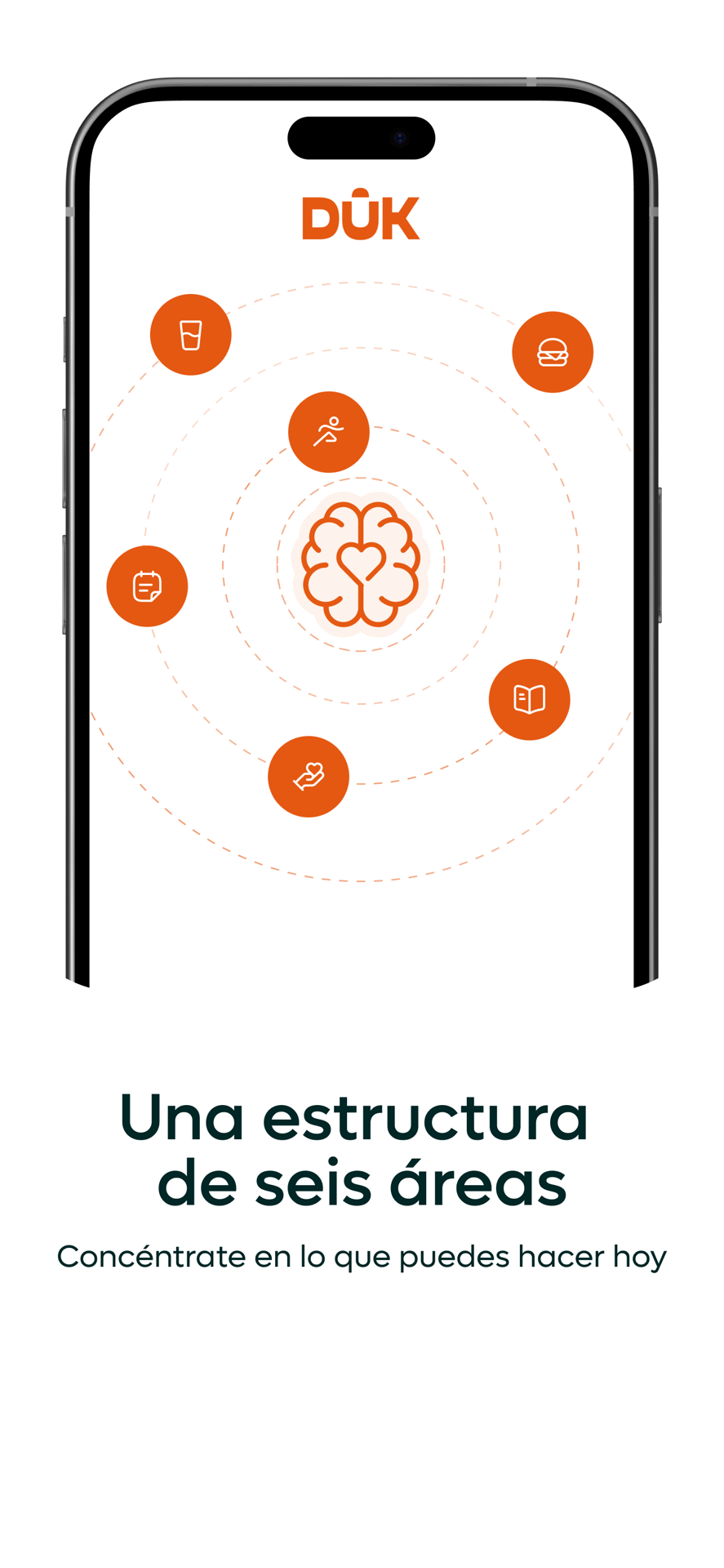
DUK App: Aly Sánchez launches her habits app "one day at a time" with a 63-day program
- Culture
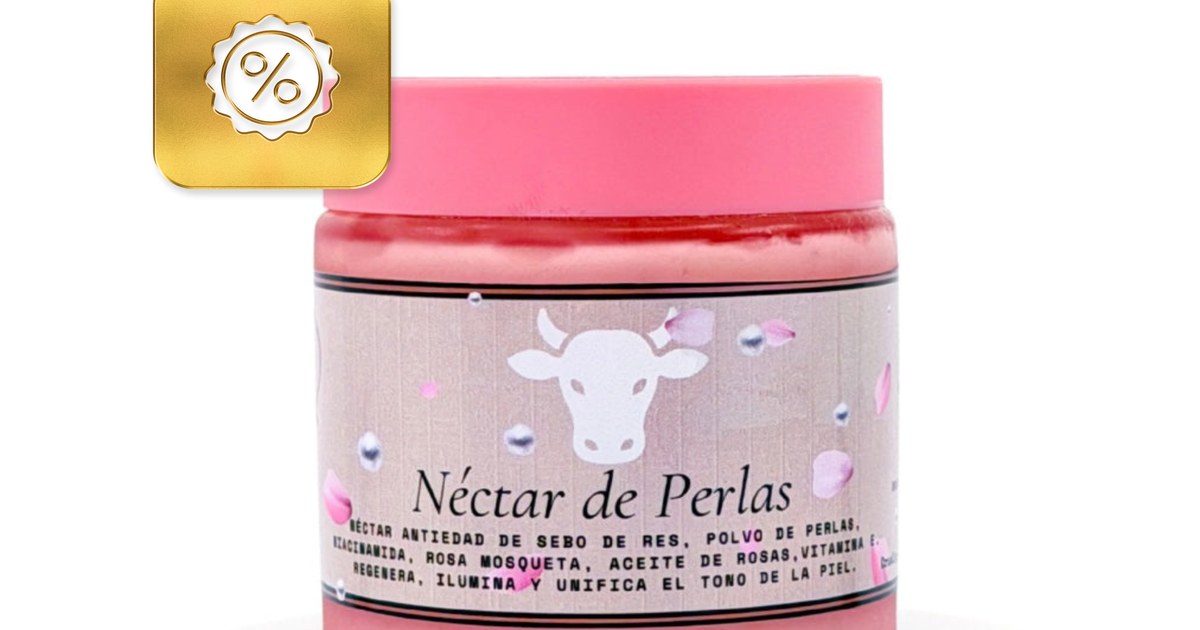
I'm Edgy and Edgy Labs: From Nebraska's Walmart to a beef tallow cream brand that sells across the US.
- World
El Cangrejo: profile of Raúl Guillermo Rodríguez Castro, Raúl Castro's grandson between GAESA, leaked luxuries and the first interview of 2026
- World
Cuban regime terrorist Ramiro Valdés Menéndez dies

- World
Supreme Court, June 23, 2026: analysis of Tuesday's 5 rulings (and what each one implies)