
Alison Luff is neither a radio pop star nor an opera diva: she is one of the most respected voices in contemporary music in the United States. Since she played Elphaba in the first national tour of Wicked (2013–2014) to her return to Broadway as Anne Hathaway in & Juliet(2024), her instrument—belt mezzo-soprano, warm timbre and room projection—has sustained roles that demand sustained highs, extreme dynamics and simultaneous performance. The video that catapulted her out of the theater was an acoustic version of She Used to Be Mine published by Broadway.com: more than five million views on YouTube. This profile, the twelfth of Voices that make magic, reviews what makes his technique unique and why his theatrical repertoire continues to resonate on screen.
Video: She Used to Be Mine — Alison Luff (Broadway.com)
Alison Luff's performance as Jenna in Waitress: more than 5.47 million views on the Broadway.com channel. Ballad by Sara Bareilles where the voice goes from the conversational register to the belt in the chorus — the same song that defines the emotional climax of the musical and that Luff performed at the Brooks Atkinson Theater (July–September 2019). Source: Broadway.com
Voice: belt mezzo-soprano with theatrical projection
Alison Luff fits the profile of a musical mezzo-soprano—the standard tessitura of Elphaba, Fantine or Jenna—with a belt that projects without a studio microphone and clean transitions between chest register and mix. There is no published academic analysis of her exact rank, but her roles documented on Wikipedia and Broadway.com demand sustained high notes (like the end of Defying Gravity) and intimate phrasing in ballads (like She Used to Be Mine or I Dreamed a Dream).
Technically, Luff stands out for his dictional clarity live—essential on Broadway, where each syllable must reach the back row—and for a controlled vibrato that does not hide the emotion. Critics and fans of the Wicked fandom have compared her favorably to Idina Menzel on the national tour: audience reviews cite their Defying Gravity and their chemistry in For Good as moments where “the real Elphaba” emerges with powerful highs and simultaneous acting.
Offstage, Luff sings in the duo Big Sur Bound (with her husband Matt Magnusson) and publishes material on streaming platforms—another facet of her voice, more intimate and authorial, that complements the theatrical belt without contradicting it.

From Mamma Mia to & Juliet: a career of protagonists
Luff made her Broadway debut in the cast of Mamma Mia! (2011), covering Ali and Sophie, and soon jumped into leading roles: Elphaba in the first national tour of Wicked (April 2013 – April 2014), Miss Honey in Matilda (2014–2015), Fantine in the revival of Les Misérables (2016) and Rachel in the premiere of Escape to Margaritaville (2017–2018).
Video: Defying Gravity — Wicked national tour
Clip of Alison Luff as Elphaba on the first US tour of Wicked (~32 thousand views on YouTube): the most demanding vocal moment of the musical — sustained belt, high endings and stage levitation included. It is the role that catapulted her to the attention of critics specializing in musical theater. Source: YouTube (national tour, 2013–2014)
In 2019, Jenna took over at Waitress—replacing Katharine McPhee—and recorded the version of She Used to Be Mine, which today exceeds five million views. She also appeared on television (Heels on Starz, New Amsterdam on NBC) and in 2024 she returned to Broadway after motherhood to play Anne Hathaway (Shakespeare's wife) in & Julietthe musical by Max Martin and David West Read that mixes contemporary pop and jukebox theater.
Repertoire that best shows your voice
- She Used to Be Mine — ballad by Waitress; video above (~5.47M).
- Defying Gravity — climax of Wicked; video above (national tour).
- I Dreamed a Dream — as Fantine in Les Misérables; test of lyrical phrasing and vulnerability.
- For Good — Wicked duo; acting connection and harmonies with Glinda.
- What Baking Can Do — uptempo number from Waitress; rhythmic belt and fast diction.
- & Juliet—pop repertoire by Max Martin reinterpreted with theatrical belt (2024–present).
Why it fits into Voices That Make Magic
Alison Luff represents the voice made for the room, not for the studio: she does not share a language with Luis Miguel or a repertoire with Lara Fabian, but she shares the premise of the series —listening to what makes an instrument special. Her theatrical belt links with the drama of Adele and the lyrical power of Alexandra Crișan; his She Used to Be Mine demonstrates that a Broadway performance can go viral on YouTube when the technique and emotion are real. That is why we include it as the twelfth profile: another way of understanding vocal magic in contemporary musical theater.
Series: This article is part of Voices that make magic. Listen: She Used to Be Mine on Broadway.com and profile on Broadway.com.
In summary
Voice? Belt mezzo-soprano, warm timbre and theatrical projection. Technique? Clear diction, extreme dynamics, sustained highs live. YouTube? She Used to Be Mine (~5.47M) and Defying Gravity (Wicked tour). Why does it matter? From Elphaba to Jenna, one of the most complete voices on Broadway today. Next step? More profiles in Voices that make magic.
Most read
What readers are engaging with right now.
- Culture
Goose, the gay app that competes with Grindr, reaches the top 4 of Lifestyle in the App Store

- World
Cubans protest in Miami against Airlines Connections for alleged scam: they demand up to $20,000 in packages to Punta Cana

- Culture
Harry Potter on HBO: complete guide to the series (not yet released and already renewed for T2), dates, cast and controversies

- World
Trump declares the ceasefire with Iran over, orders new attacks in Hormuz and demands cutting trade with Spain in NATO

- Culture
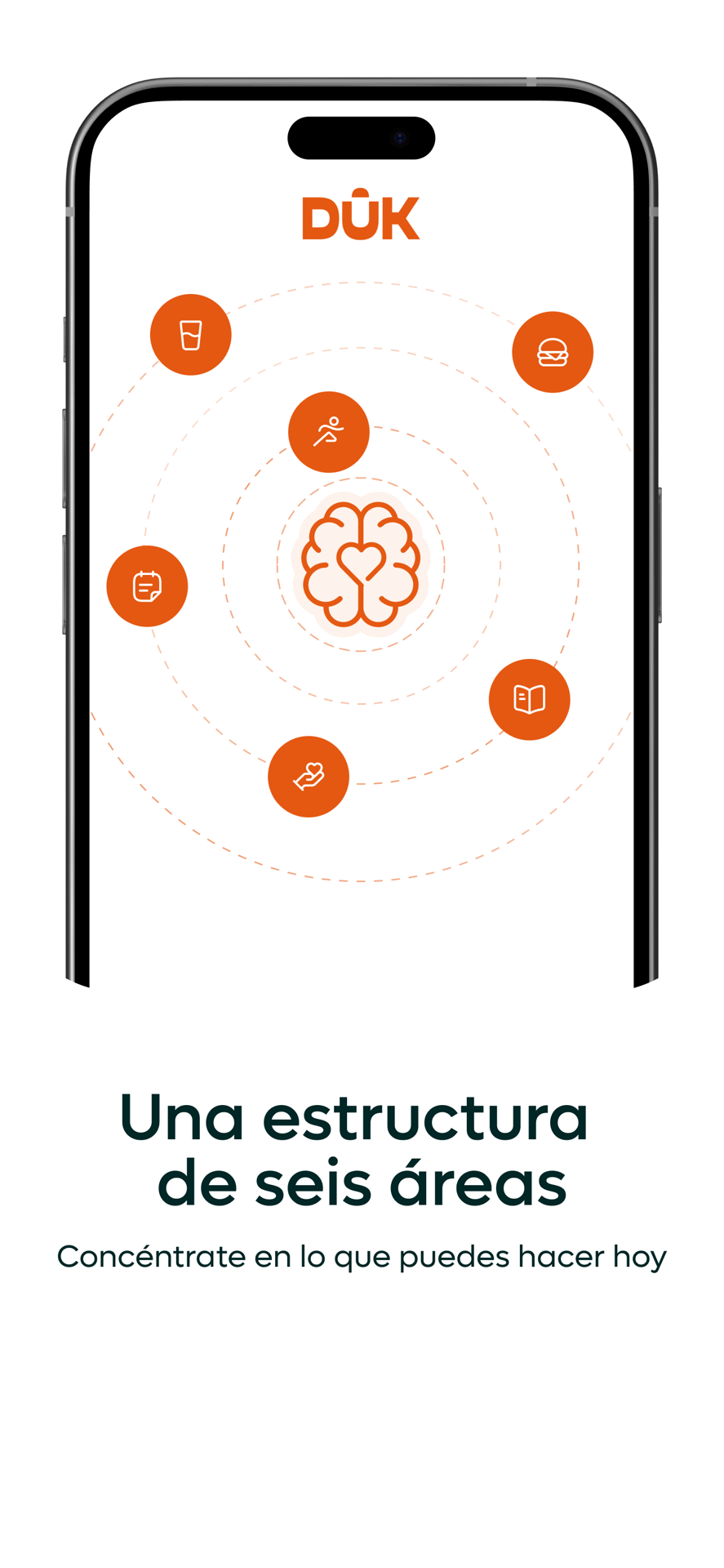
DUK App: Aly Sánchez launches her habits app "one day at a time" with a 63-day program
- Culture
I'm Edgy and Edgy Labs: From Nebraska's Walmart to a beef tallow cream brand that sells across the US.

- World
El Cangrejo: profile of Raúl Guillermo Rodríguez Castro, Raúl Castro's grandson between GAESA, leaked luxuries and the first interview of 2026

- World
Cuban regime terrorist Ramiro Valdés Menéndez dies

- World
Supreme Court, June 23, 2026: analysis of Tuesday's 5 rulings (and what each one implies)